
October 22, 2025
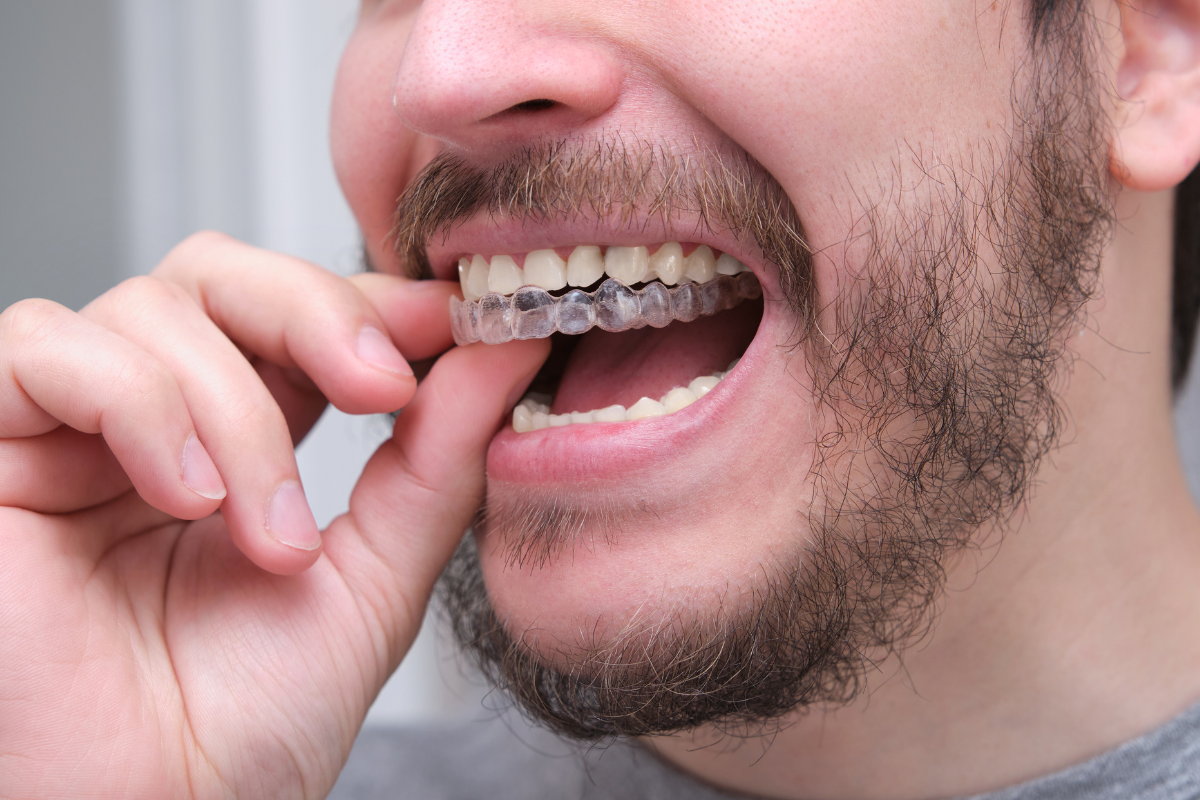
A confident smile can make a lasting impression, but if your teeth are crooked, crowded, or misaligned, it can affect not only your confidence but also your oral health. Many people wonder when it’s the right time to visit a specialist. Whether you’re considering braces or Invisalign, understanding the signs that indicate the need for orthodontic care is essential. This guide will help you recognize the symptoms that suggest it’s time to schedule a visit
Seeing an experienced orthodontist in Queens NY can make all the difference when it comes to achieving a healthier, more aligned smile. With modern treatments like braces and Invisalign, patients can correct bite issues, close gaps, and improve overall oral function without compromising comfort or aesthetics. Early evaluation by a skilled orthodontist helps detect problems before they become more serious, ensuring long-term dental health and a confident smile.
You Have Crooked or Misaligned Teeth
Crooked teeth are one of the most common reasons people see an orthodontist. Misalignment can make brushing and flossing difficult, leading to plaque buildup and tooth decay. Braces and Invisalign are both effective solutions for straightening teeth, improving not only the appearance of your smile but also your oral hygiene. Invisalign offers a clear, removable alternative to traditional braces, making it a discreet choice for adults and teens who prefer a more aesthetic option.
You Notice Crowding or Gaps Between Teeth
If your teeth are overcrowded or spaced too far apart, you may need orthodontic treatment. Crowded teeth can overlap, causing cleaning difficulties and potential gum disease, while gaps can affect your bite and overall smile balance. A Queens orthodontist can determine whether braces or Invisalign will help realign your teeth to create an even, harmonious smile.
You Have Bite Problems (Overbite, Underbite, or Crossbite)
Bite problems are a major reason to see an orthodontist. An overbite occurs when the upper front teeth overlap the lower ones too much, while an underbite means the lower teeth extend past the upper. A crossbite happens when some upper teeth sit inside the lower teeth instead of outside. These bite issues can cause uneven tooth wear, jaw pain, and even speech difficulties. Fortunately, braces and Invisalign are both designed to correct bite alignment and promote a healthier, more comfortable jaw position.
You Experience Jaw Pain or Clicking Sounds
If your jaw clicks, pops, or causes discomfort when chewing, it could be a sign of an underlying orthodontic issue. Misaligned teeth and bite problems can put extra stress on your jaw joints, leading to temporomandibular joint (TMJ) pain. An experienced orthodontist in Queens NY can assess your bite and determine if braces or Invisalign can relieve tension, improve alignment, and reduce jaw discomfort over time.
You Have Difficulty Chewing or Speaking Clearly
Orthodontic issues can affect your ability to chew food properly or pronounce certain words. If you often bite your cheeks or tongue while eating or speaking, it may be due to a misaligned bite. Braces and Invisalign gently reposition your teeth, improving functionality and helping you speak and chew comfortably.
Your Teeth Have Shifted After Previous Treatment
Many adults notice that their teeth start to shift years after wearing braces in childhood. Without consistent retainer use, teeth can gradually move out of place again. If this has happened to you, Invisalign might be an excellent choice to discreetly correct minor misalignments. A skilled Queens orthodontist can create a personalized treatment plan to realign your teeth and restore your smile’s symmetry.
You Feel Self-Conscious About Your Smile
Feeling unhappy with your smile can impact your confidence in social and professional settings. Whether your concern is crooked teeth, spacing, or bite alignment, modern orthodontic options make achieving a beautiful smile more comfortable and convenient than ever. Invisalign offers nearly invisible aligners that fit seamlessly into your daily routine, while advanced braces systems provide faster, more efficient results with less discomfort.
You’re Concerned About Oral Health
Orthodontic care isn’t just about looks—it’s also about health. Misaligned teeth are harder to clean, increasing your risk of cavities, gum disease, and uneven wear. Properly aligned teeth are easier to maintain and can prevent long-term dental problems. If you’ve noticed recurring dental issues despite good hygiene habits, visiting an orthodontist may help identify the underlying cause.
Take the Next Step Toward a Healthier, Straighter Smile
Recognizing these signs early can prevent further dental complications and help you achieve a confident, healthy smile that lasts a lifetime. If you’re searching for a trusted orthodontist in Queens NY offers advanced orthodontic solutions, including braces and Invisalign, tailored to your individual needs. Their experienced team combines gentle care with modern technology to deliver stunning results in a comfortable, patient-centered environment.
Ready to transform your smile? Request an appointment today with Breezy Point Smiles and take the first step toward the beautiful, confident smile you deserve.
FAQs
What are the most common signs that I need braces or Invisalign?
Crooked teeth, crowding, gaps, or bite problems such as overbite or underbite are common indicators that you may need braces or Invisalign. Consulting an orthodontist helps confirm the best treatment plan for you.
How do braces and Invisalign differ?
Braces use metal or ceramic brackets and wires to align teeth, while Invisalign uses clear, removable aligners for a more discreet treatment. Both are effective; the choice depends on your lifestyle and orthodontic needs.
Can Invisalign fix severe alignment or bite issues?
Invisalign works well for mild to moderate alignment problems. However, for complex cases, traditional braces may be more effective. Your orthodontist will recommend the most suitable option after evaluation.
Can adults benefit from orthodontic treatment too?
Absolutely! Adults can achieve excellent results with both braces and Invisalign. Modern orthodontic techniques make treatment faster, more discreet, and highly effective for adults of any age.
What happens if I delay orthodontic treatment?
Delaying treatment can lead to worsening misalignment, uneven wear, jaw pain, and oral hygiene issues. Early intervention with braces or Invisalign can prevent more serious dental problems later on.
About the Author
Dr. Ron Kaminer has been providing outstanding oral healthcare for well over three decades. He earned his dental degree from the State University of New York at Buffalo School of Dental Medicine and regularly seeks continuing education to refine his skills. He offers a wide variety of high-quality services, including fillings, root canal therapy, teeth whitening, cosmetic bonding, and veneers. If you’d like to schedule an appointment, visit his website or call 718-474-6500.