
DENTAL TECHNOLOGY – Queens, NY
Advanced Care Driven by Modern Technology
We need the best dental instruments and techniques available if we’re going to provide you with the highest possible level of care. From diagnostic technology that lets us find hidden dental problems in less time to lasers that dramatically improve the precision and comfort levels of the care we provide, Breezy Point Smiles is well-equipped to bring you a better dental experience. You can learn more below before you call for an appointment.
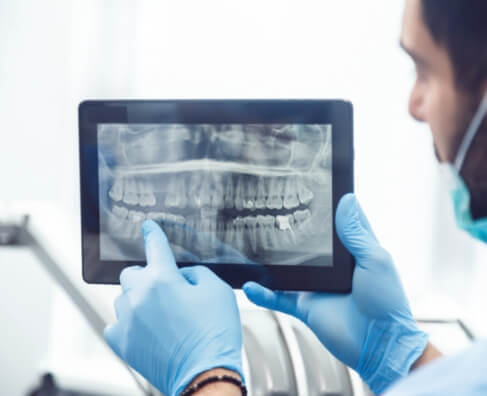
Digital X-Rays
We generally take at least one X-ray a year to check for cavities and other problems that could be hiding under your gums. While we previously relied on traditional radiography that required a dark room to develop the images, we have now moved on to digital X-rays that are available for viewing right away and can easily be edited and enhanced in order to highlight problem areas. They also cut down on radiation exposure and are safer in general.
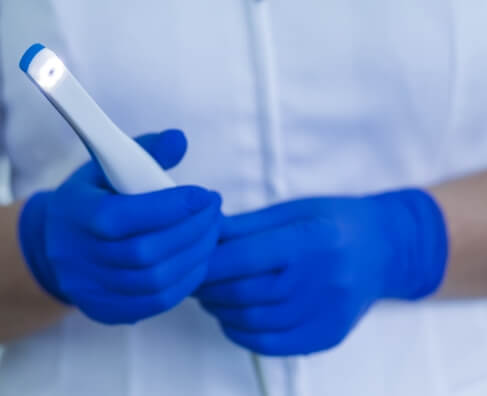
Intraoral Camera
It’s hard to get a good look at your own mouth at your own circumstances, but an intraoral camera lets you see exactly what your dentist sees from every possible angle. We simply insert the device into your mouth to take a few quick pictures, then display them on our chairside monitor so that we can point to the damage and explain what steps need to be taken to fix it. You’ll no longer feel like you’re in the dark about your oral health.
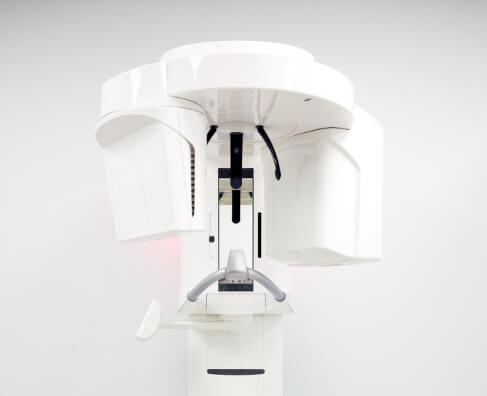
CT Cone Beam Scanner
X-rays can tell us a lot about your mouth, but when we’re placing dental implants or performing other advanced treatments, we need as much information as possible, and a CT cone beam scanner is often our best option for getting it. The images captured by the scan are converted into a model of your mouth that can be examined from any angle. A comprehensive picture of your mouth goes a long way towards improving treatment outcomes.
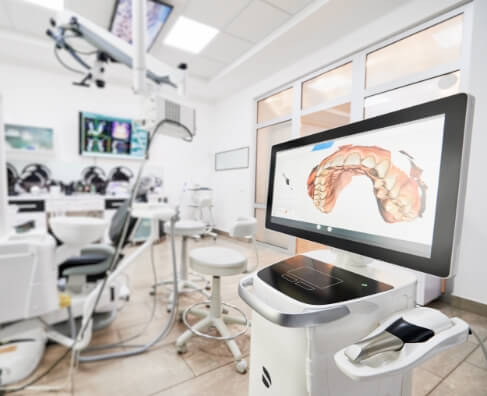
Digital Impression System
Nobody looks forward to having impressions taken for crowns or other restorations, but our digital impression system takes away a lot of the more unpleasant elements of the process. There’s no goopy, bad-tasting putty to mess around with, and you aren’t left sitting still for an uncomfortable length of time. You simply let us scan your mouth, and in very little time we’ll have a 3D model to work with in order to fully personalize your restoration.
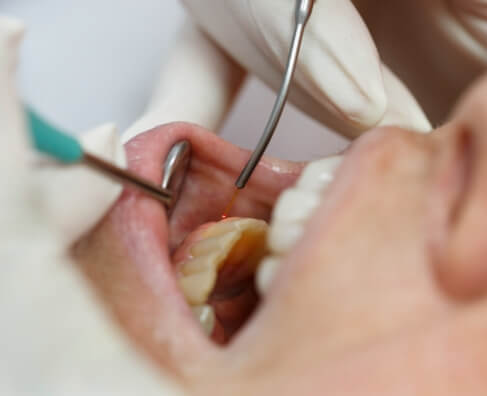
Soft Tissue Laser
Nowadays, many procedures involving the gums are performed using a soft-tissue laser. We can use the energy from the laser to excise unneeded or infected tissue while also sterilizing the area to prevent bacteria from causing any more damage. Many patients prefer soft tissue lasers over traditional instruments because they cause very little discomfort; the mouth often doesn’t need to be numbed at all, and there is very little if any bleeding to worry about afterwards.
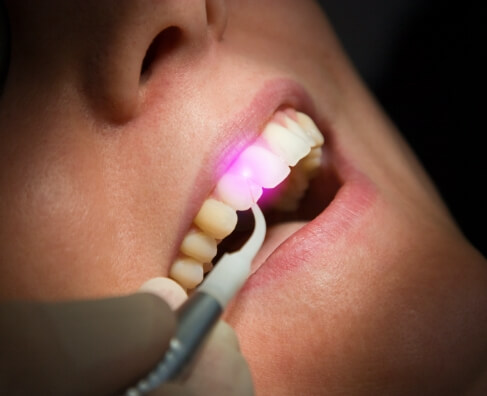
Hard Tissue Laser
In addition to lasers for sterilizing and removing soft tissues, we also have lasers that are designed specifically for hard tissue – namely your teeth and bones. We often use our hard tissue lasers to prepare teeth for filling placement. We can remove the decayed parts of the tooth without damaging the rest of the enamel, and the lack of pain means there is no need for us to use a local anesthetic to numb the tooth for such procedures.
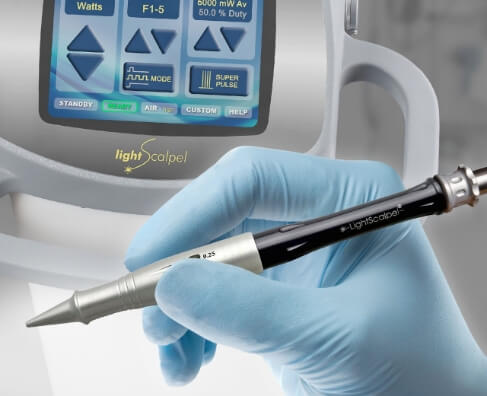
Co2 Laser
CO2 lasers have been used in dentistry for more than 25 years. They can be used for a wide range of dental procedures, including soft tissue treatments around dental implants and the removal of gum tissue that has become infected as a result of gum disease. The laser energy is generated using carbon dioxide, and it is set at a wavelength that vaporizes the water found in soft tissue, allowing for quick, efficient cutting.