
October 13, 2026
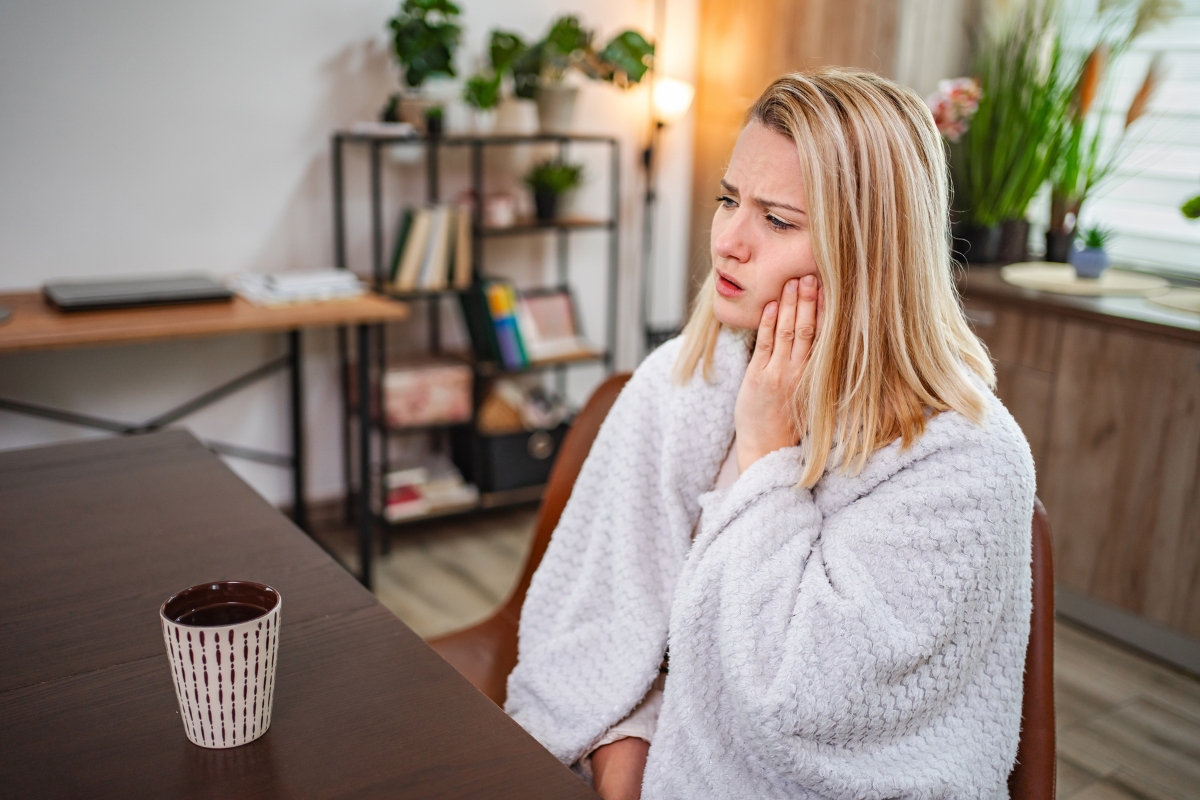
You go to bed fine. You wake up, take a sip of cold water, and ouch. A zing shoots through your tooth. What just happened?
Sudden tooth sensitivity feels random, but it rarely is. Something changed, even if you didn’t notice. Sometimes it’s minor. Other times, it’s your tooth waving a red flag. Knowing which is which? That’s what this post is for. If the pain is severe, don’t sit around guessing. Call an emergency dentist in Queens and get it checked. If it’s milder, keep reading.
What Is Tooth Sensitivity, Really?
Under your hard outer enamel sits a softer layer called dentin. Dentin is full of tiny tubes that lead straight to the nerve. When enamel wears thin or your gums pull back, those tubes get exposed. Then hot, cold, sweet, or even air can trigger a sharp jolt.
So when sensitivity hits overnight, something has exposed that layer, or something is irritating the nerve. Let’s look at the usual suspects.
7 Common Causes of Sudden Tooth Sensitivity
1. Grinding Your Teeth While You Sleep
Probably the biggest overnight culprit. Lots of people grind or clench in their sleep and have no clue. It puts huge pressure on your teeth, and a rough night can leave them sore or even cracked. Waking up with a tight jaw? That’s a clue.
2. A Cracked or Chipped Tooth
Maybe you bit down on something hard yesterday. Tiny cracks can expose the inner layers of your tooth, and sensitivity shows up fast. Cracks get worse, so don’t ignore this one. Even a small crack can allow bacteria to reach the inner tooth, increasing the risk of pain and infection if left untreated.
3. A New or Growing Cavity
Decay eats through enamel slowly, then suddenly hits the sensitive part. You might feel nothing for months, and then, boom, one morning it zaps you. Pain with sweets is a classic sign. If the sensitivity persists or worsens, an Emergency Dentist near Queens can examine the tooth and recommend treatment before the decay progresses.
4. Gum Recession
When gums pull back, the root of your tooth gets exposed, and roots don’t have enamel to protect them. Brushing too hard, gum disease, and age all play a part. It happens gradually, but it can feel sudden.
5. Acidic Foods and Drinks
Did you have wine, soda, or citrus last night? Acid softens enamel for a short while. Brush right afterward, and you can scrub away some of that softened layer. Then sensitivity kicks in the next morning.
6. Recent Dental Work or Whitening
Fillings, crowns, deep cleanings, and whitening can all cause temporary sensitivity. It’s usually mild and fades within a few days. If it gets worse or lasts longer than a couple of weeks, tell your dentist. You can also avoid extremely hot or cold foods while recovering. And make sure to contact an emergency dentist if you experience sharp pain when biting or sensitivity that doesn’t improve.
7. An Infection or Abscess
This is the serious one. A deep infection at the root of a tooth can cause throbbing pain and sensitivity to hot and cold, sometimes with swelling or a bad taste in your mouth. An abscess won’t go away by itself. It needs treatment, and quickly.
Wait, Could It Be Something Else?
Yep. A sinus infection can make your upper back teeth ache, since those roots sit close to your sinuses. Cold air, especially if you breathe through your mouth at night, can also trigger a jolt. A loose filling or crown can also let bacteria sneak in.
When Is It an Emergency?
Not every sensitive tooth is an emergency. But some signs mean you shouldn’t wait. Call an emergency dentist in Queens right away if you notice:
- Severe, throbbing pain that doesn’t let up
- Pain that lingers long after the hot or cold is gone
- Swelling in your face, cheek, or gums
- A fever with tooth pain
- A bad taste, or pus near the tooth
- A broken, cracked, or knocked-out tooth
- Trouble breathing or swallowing (go to the ER)
Got more than one? Don’t wait until morning.
What You Can Do at Home Right Now
Until you see an emergency dentist in Queens, a few things can take the edge off:
- Switch to a toothpaste made for sensitive teeth
- Use a soft-bristled toothbrush and brush gently
- Avoid very hot, very cold, sugary, or acidic foods
- Rinse with warm salt water
- Take an over-the-counter pain reliever, following the label
These tricks help for a bit, but they don’t fix the cause. A crack, cavity, or infection needs a dentist.
What Will the Dentist Do?
Wondering what happens when you walk in? An emergency dentist in Queens will usually follow this rough plan:
- They’ll ask when it started and what sets it off
- They’ll examine the tooth and test it with air or cold
- They’ll take X-rays to see what’s happening under the surface
- They’ll explain what they found, and what your options are
Treatment depends on the cause. It might be a filling, bonding over exposed roots, a fluoride treatment, a night guard for grinding, a crown, or a root canal for an infected tooth. Catch it early, and the fix is usually simpler. That’s the whole point.
Why You Shouldn’t Wait It Out
Sensitivity that comes and goes can feel like no big deal. But it’s your body’s way of telling you something’s wrong. A small cavity can turn into a root canal. A hairline crack can become a broken tooth. And an infection can spread.
Having an emergency dentist in Queens on speed dial means you don’t have to gamble. A quick visit now often saves you pain and money later.
FAQ: Frequently Asked Questions
Q: Why is my tooth suddenly sensitive to cold?
A: Usually, the dentin underneath your enamel has become exposed. This can happen from grinding, a cavity, gum recession, a crack, or recent dental work. A dentist can pin down the exact cause.
Q: Will sudden tooth sensitivity go away on its own?
A: Sometimes, especially after whitening or a dental procedure. But if it lasts more than a few days, keeps getting worse, or comes with pain or swelling, get it checked.
Q: Is sudden tooth sensitivity a sign of a cavity?
A: It can be. Cavities often cause sensitivity to sweets, heat, or cold. Only an exam and X-rays can confirm it.
Q: Can grinding my teeth cause sensitivity overnight?
A: Yes. Grinding puts strong pressure on your teeth, which can irritate the nerve and wear down enamel. A night guard often helps.
Q: Should I see an emergency dentist for tooth sensitivity?
A: If you have severe pain, swelling, fever, or pus, yes. For mild sensitivity, a regular appointment is usually fine, but if you’re unsure, call an emergency dentist in Queens.
Tooth Pain Won’t Wait. Neither Should You.
Waking up with a sensitive tooth is no fun. The good news? Most causes are very treatable, especially when you catch them early. The key is not to ignore it. At Breezy Point Smiles, Dr. Ron Kaminer and Dr. Jonathan Lewis help patients from Breezy Point, Rockaway Point, Roxbury, and the surrounding Queens community get fast, gentle relief when tooth pain strikes. Book your visit or visit us at our clinic at 204-08 Rockaway Point Blvd, Breezy Point, NY 11697, immediately before the pain escalates.
About the Author
Dr. Ron Kaminer has been providing outstanding oral healthcare for well over three decades. He earned his dental degree from the State University of New York at Buffalo School of Dental Medicine and regularly seeks continuing education to refine his skills. He offers a wide variety of high-quality services, including fillings, root canal therapy, teeth whitening, cosmetic bonding, and veneers. If you’d like to schedule an appointment, visit his website or call 718-474-6500.