
May 7, 2026
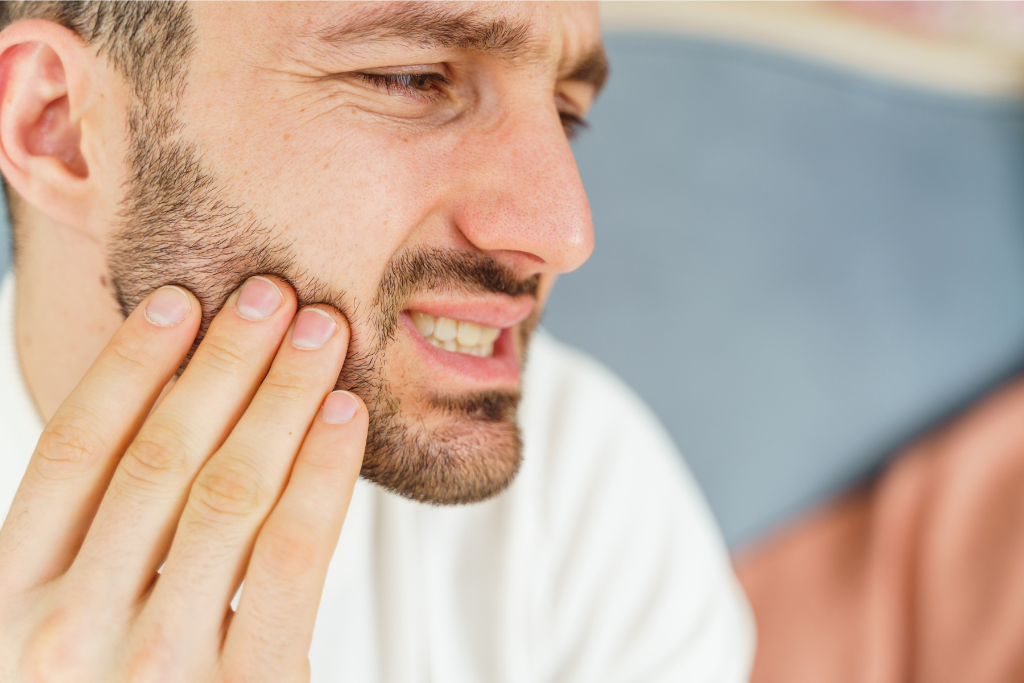
Tooth pain has a way of showing up at the worst possible time during a late-night snack, on your commute, or right before an important meeting. But not all tooth pain is the same. The type of discomfort you feel can tell you a lot about what’s going on and whether you should act fast or monitor the situation.
Understanding these differences can help you make smarter decisions about your oral health and avoid turning a small issue into a major one.
Why Tooth Pain Should Never Be Ignored
Many people in busy neighborhoods delay care, hoping the pain will go away on its own. Unfortunately, that’s rarely the case. A minor ache can quickly turn into an infection or a more complex dental problem if left untreated. A trusted dentist can often detect and treat issues early, saving you time, money, and discomfort.
If you’ve ever searched for a Dentist in Queens, chances are you were already experiencing symptoms that needed attention. Knowing what those symptoms mean is the first step toward relief.
1. Sharp, Sudden Pain
A sharp, stabbing pain especially when biting down or eating something hard usually points to a cracked tooth or cavity.
This type of pain often:
- Comes and goes quickly
- Happens when chewing
- Feels intense but short-lived
What it means: The inner layer of your tooth may be exposed, making it sensitive to pressure.
When to act: Don’t wait. Cracks can worsen quickly, leading to infections or tooth loss. If you’re experiencing this, it’s time to see a Dentist in Queens NY before the damage spreads.
2. Dull, Constant Ache
A lingering, throbbing pain is one of the most common complaints people have.
This pain typically:
- Stays for hours or days
- Feels deep and persistent
- May spread to your jaw or ear
What it means: This could be a sign of tooth decay reaching the nerve or an early infection.
When to act: If the ache doesn’t go away within a day or two, it’s best to get it checked. Many patients visiting a Queens Dentist report that this type of pain started small but became severe when ignored.
3. Sensitivity to Hot and Cold
Do you feel a quick zing when drinking coffee or cold water?
This kind of sensitivity:
- Happens instantly
- Fades quickly
- Is triggered by temperature
What it means: It may be worn enamel, minor decay, or gum recession exposing the tooth root.
When to act: Occasional sensitivity may not be urgent, but if it becomes frequent or painful, it’s worth evaluating. Early treatment can prevent bigger problems later.
4. Pain When Biting or Chewing
If your tooth hurts specifically when you apply pressure, it’s often a red flag.
This pain:
- Occurs while eating
- Feels localized to one tooth
- May worsen over time
What it means: Possible causes include a cracked tooth, loose filling, or infection beneath the surface.
When to act: This is not something to ignore. Many people in Queens initially dismiss this pain, only to need more extensive treatment later. Seeing a Dentist in Queens NY early can make a big difference.
5. Swollen Gums and Facial Pain
Swelling around the gums or face is one of the most serious warning signs.
You might notice:
- Puffy or red gums
- Pain when touching the area
- Facial swelling or pressure
What it means: This often indicates an infection or abscess that needs urgent care.
When to act: Seek treatment immediately. Dental infections don’t just stay in your mouth they can affect your overall health if untreated.
6. Throbbing Pain with Fever or Bad Taste
If your toothache comes with a fever or a persistent bad taste in your mouth, it’s likely an advanced infection.
Symptoms include:
- Pulsing pain
- Fever or fatigue
- Foul taste or odor
What it means: This is a dental emergency that may require immediate intervention.
When to act: Do not delay. Contact a Queens Dentist as soon as possible to prevent complications.
When Is Tooth Pain an Emergency?
Not every toothache requires urgent care, but some situations should never wait:
- Severe, unbearable pain
- Swelling in the face or jaw
- Signs of infection (fever, pus, bad taste)
- A broken or knocked-out tooth
If you’re unsure, it’s always safer to get a professional opinion rather than risk worsening the condition.
Local Insight: Why Timely Care Matters
In a fast-paced area like Queens, many residents juggle work, family, and long commutes. It’s easy to put off dental visits. But delaying care often leads to more complex and costly procedures.
Local patients frequently say their biggest regret is waiting too long. What could have been a simple fix often turns into a root canal or extraction. Acting early not only protects your smile but also saves you from unnecessary stress.
How to Manage Tooth Pain Before Your Appointment
While professional care is essential, here are a few short-term tips to manage discomfort:
- Rinse with warm salt water
- Avoid very hot or cold foods
- Use over-the-counter pain relief if needed
- Keep the area clean
These steps can help temporarily, but they are not a substitute for treatment.
Take Control of Your Dental Health Today
Tooth pain is your body’s way of telling you something isn’t right. Whether it’s a minor sensitivity or a severe ache, understanding the type of pain you’re experiencing can help you take the right action at the right time.
If you’re dealing with discomfort or unsure about your symptoms, don’t wait until it becomes an emergency. The team at Breezy Point Smiles is here to provide compassionate, reliable care when you need it most.
Book your appointment today and get back to living pain-free with confidence.
FAQs
How Do I Know If My Tooth Pain Is Serious?
If the pain is persistent, worsening, or accompanied by swelling or fever, it’s likely serious and needs professional evaluation.
Can Tooth Pain Go Away On Its Own?
Sometimes mild sensitivity may fade, but most tooth pain signals an underlying issue that won’t resolve without treatment.
Should I Go To The ER For Tooth Pain?
Only if you have severe swelling, difficulty breathing, or signs of a spreading infection. Otherwise, a dental visit is the best option.
What Happens If I Ignore Tooth Pain?
Ignoring it can lead to infections, tooth loss, and more complex procedures in the future.
How Quickly Should I See A Dentist?
If pain lasts more than 24-48 hours or feels severe, schedule an appointment as soon as possible.
About the Author
Dr. Ron Kaminer has been providing outstanding oral healthcare for well over three decades. He earned his dental degree from the State University of New York at Buffalo School of Dental Medicine and regularly seeks continuing education to refine his skills. He offers a wide variety of high-quality services, including fillings, root canal therapy, teeth whitening, cosmetic bonding, and veneers. If you’d like to schedule an appointment, visit his website or call 718-474-6500.