
August 24, 2023
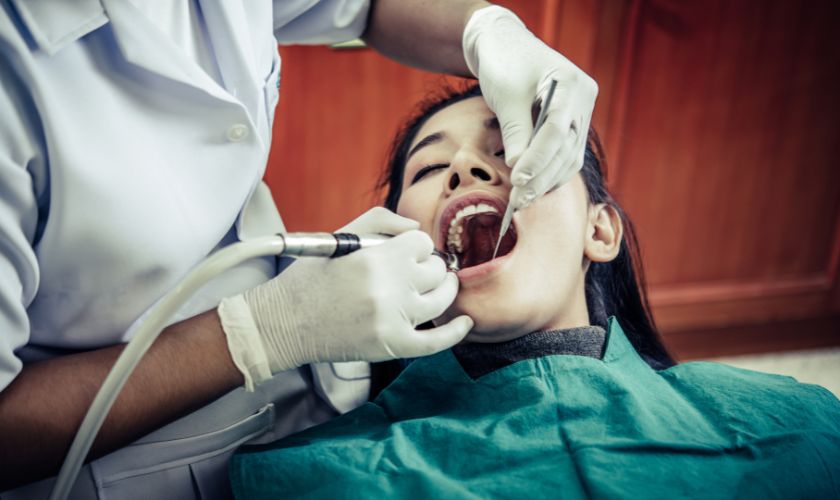
When it comes to our oral health, most of us are diligent about brushing and flossing regularly. But what happens when our gums start to become red, swollen, and tender? This could be a sign of advanced periodontal disease, a serious condition that affects the supporting structures of our teeth. While non-surgical treatments like deep cleaning and antibiotics can help in early stages, there may come a point where surgical intervention is necessary. In this blog post, we will explore the types of surgical treatment available for advanced periodontal disease and discuss the importance of post-surgical care for optimal recovery. So let’s dive in and find out when surgery becomes the best option for restoring your oral health!
What is Advanced Periodontal Disease?
Advanced periodontal disease, also known as periodontitis, is a severe form of gum disease that affects the tissues and bones supporting our teeth. It occurs when plaque buildup and bacteria infect the gums, causing inflammation and damage over time. As the disease progresses, it can lead to tooth loss and other serious complications.
One of the main indicators of advanced periodontal disease is noticeable changes in your gums. They may appear red, swollen, or even recede from the teeth. You might experience persistent bad breath or a lingering metallic taste in your mouth. Another common symptom is bleeding gums, especially during brushing or flossing.
If left untreated, advanced periodontal disease can wreak havoc on your oral health. The infection spreads deeper into the gums and begins attacking the underlying bone structure that supports your teeth. This gradually weakens their foundation, leading to loose teeth or tooth loss.
It’s important to note that regular dental check-ups are crucial for early detection and prevention of advanced periodontal disease. Your dentist will examine your gums for signs of inflammation or recession and measure any pockets between your gums and teeth – an indicator of gum tissue detachment.
Taking steps to maintain good oral hygiene by brushing twice a day with fluoride toothpaste, flossing daily, using an antimicrobial mouthwash, eating a balanced diet low in sugar are essential for preventing advanced periodontal disease.
The Types of Surgical Treatment for Advanced Periodontal Disease
When it comes to treating advanced periodontal disease, there are several surgical options available. These procedures aim to restore the health of your gums and prevent further damage to your teeth and jawbone.
One common surgical treatment is flap surgery, also known as pocket reduction surgery. During this procedure, the gum tissue is folded back to allow for deep cleaning below the gumline. The dentist or periodontist will remove tartar and bacteria from the pockets that have formed between the teeth and gums. Once cleaned, the gum tissue is then secured back in place, reducing the pocket depth and promoting healing.
Another surgical option is bone grafting. This procedure involves replacing damaged or missing bone around your teeth with a piece of synthetic bone or material from another part of your body. The goal is to stimulate new bone growth and provide support for your teeth.
In some cases, a soft tissue graft may be necessary. This procedure involves taking healthy gum tissue from one area of your mouth (usually the roof) and placing it in areas where you have receding gums. It helps to cover exposed tooth roots and reduce sensitivity while preventing further recession.
For more severe cases, guided tissue regeneration may be recommended. This technique uses barrier membranes placed between existing bone and surrounding tissues during surgery to promote new bone growth in areas where it has been destroyed by periodontal disease.
Laser therapy is another option that can effectively treat advanced periodontal disease by removing infected gum tissue without cutting into healthy areas. It promotes faster healing time compared to traditional surgery methods.
It’s important to note that not all patients with advanced periodontal disease will require surgical treatment. In some cases, non-surgical treatments such as scaling and root planing combined with improved oral hygiene practices may be sufficient.
Remember that each case is unique, so it’s crucial to consult with a dental professional who specializes in periodontics for an accurate diagnosis and personalized treatment plan based on your specific needs.
Post-Surgical Care for Advanced Periodontal Disease Patients
After undergoing surgical treatment for advanced periodontal disease, proper post-surgical care is crucial to ensure a successful recovery and maintain long-term oral health. This stage of the treatment is just as important as the surgery itself.
One key aspect of post-surgical care is maintaining good oral hygiene practices. Your dentist or periodontist will provide specific instructions on how to properly clean your teeth and gums after surgery. This may include using a special mouthwash, gently brushing with a soft toothbrush, and avoiding certain foods that could irritate the healing tissues.
In addition to maintaining oral hygiene, it’s important to follow any dietary restrictions recommended by your dental professional. Certain foods and beverages can hinder the healing process or cause discomfort. Following a soft-food diet and avoiding hard or sticky foods can help promote faster healing.
Pain management is another crucial element of post-surgical care. Your dentist may prescribe pain medication or recommend over-the-counter pain relievers to manage any discomfort you experience following surgery. It’s essential to take these medications as directed and report any severe or persistent pain to your dental professional.
Regular follow-up appointments are vital during this phase of treatment. These visits allow your dentist or periodontist to monitor your progress, remove any stitches if necessary, and assess the overall success of the surgical procedure.
By diligently following these post-surgical care guidelines provided by your dental professional, you can enhance the effectiveness of your treatment for advanced periodontal disease and achieve optimal results in terms of gum health restoration.
The Bottom Line
Advanced periodontal disease is a serious oral health condition that requires prompt and appropriate treatment. While non-surgical options such as scaling and root planing are often effective in early stages, surgical intervention may be necessary for more severe cases.
The types of surgical treatment for advanced periodontal disease vary depending on the specific needs of each patient. These can include flap surgery, bone grafts, guided tissue regeneration, and dental implants. Your dentist or periodontist will assess your condition thoroughly to determine the most suitable approach.
Post-surgical care plays a crucial role in ensuring successful outcomes for patients with advanced periodontal disease. Following your dentist’s instructions regarding oral hygiene practices, medications, and regular follow-up visits is essential for proper healing and maintenance of your oral health.
About the Author
Dr. Ron Kaminer has been providing outstanding oral healthcare for well over three decades. He earned his dental degree from the State University of New York at Buffalo School of Dental Medicine and regularly seeks continuing education to refine his skills. He offers a wide variety of high-quality services, including fillings, root canal therapy, teeth whitening, cosmetic bonding, and veneers. If you’d like to schedule an appointment, visit his website or call 718-474-6500.