
September 19, 2025
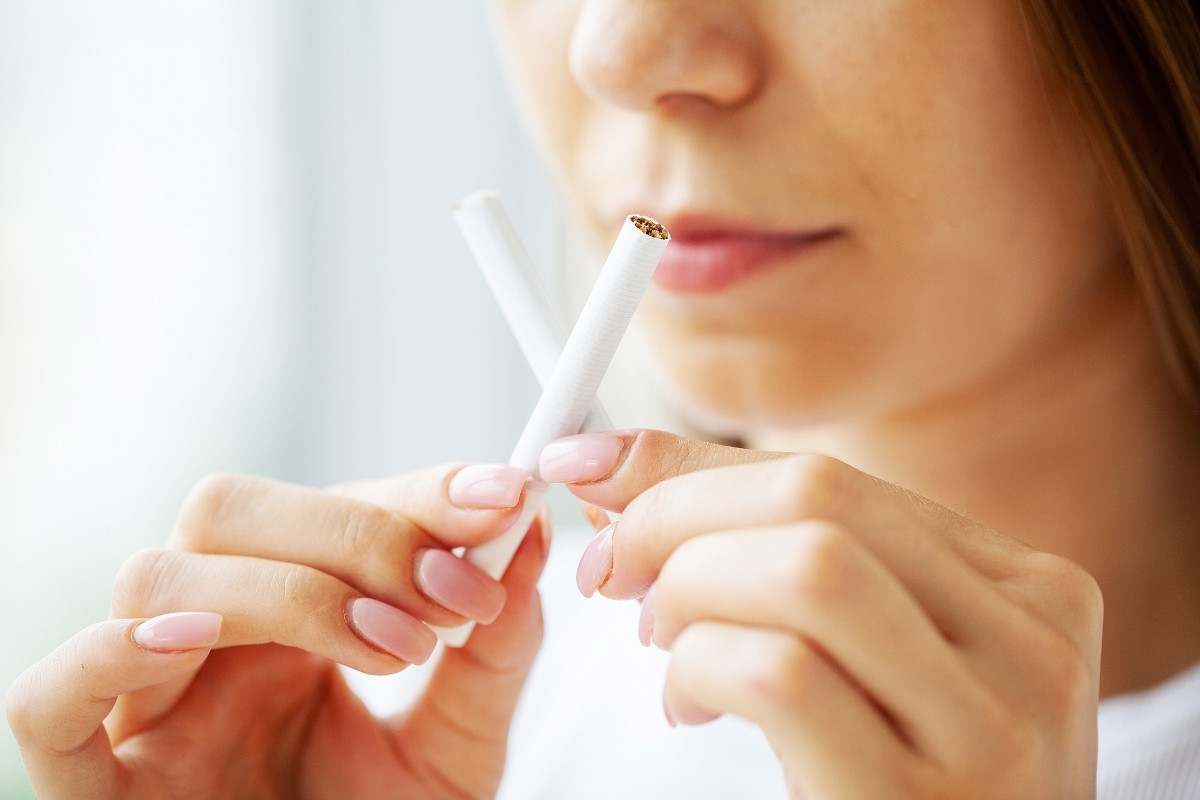
Tooth extraction is a common dental procedure performed for a variety of reasons, including severe decay, impacted teeth, or orthodontic preparation. While the procedure itself is generally straightforward, recovery requires careful attention to oral care and lifestyle habits. Two of the most significant factors that can affect healing are smoking and alcohol consumption. Understanding their impact is essential for ensuring a smooth recovery.
How Smoking Affects Tooth Extraction Recovery
Smoking introduces nicotine and other harmful chemicals into the bloodstream, which can significantly slow down the healing process after tooth extraction. The main ways smoking affects recovery include:
- Reduced Blood Flow: Nicotine causes blood vessels to constrict, reducing blood flow to the extraction site. Adequate blood flow is essential for delivering oxygen and nutrients needed for healing.
- Delayed Healing: Chemicals in cigarette smoke can interfere with tissue regeneration, prolonging the recovery period.
- Increased Risk of Dry Socket: Dry socket occurs when the blood clot at the extraction site is dislodged or dissolves prematurely. Smokers are at a much higher risk of developing this painful condition.
- Higher Infection Risk: Smoking compromises the immune system, making it harder for the body to fight off infections in the extraction site.
Tips for Smokers:
- Avoid smoking for at least 48–72 hours after tooth extraction.
- If quitting entirely isn’t possible, consider reducing the number of cigarettes and using nicotine patches to minimize harm.
- Follow all post-operative instructions from your dentist carefully.
How Alcohol Affects Tooth Extraction Recovery
Alcohol consumption can also hinder recovery after a tooth extraction. Here’s how:
- Interferes with Blood Clotting: Alcohol can thin the blood, making it harder for a stable blood clot to form at the extraction site. This increases the risk of bleeding and dry socket.
- Slows Healing: Excessive alcohol intake weakens the immune system, delaying tissue regeneration and increasing the likelihood of infection.
- Interaction with Medications: Many dentists prescribe painkillers or antibiotics after an extraction. Alcohol can interfere with these medications, reducing their effectiveness or causing harmful side effects.
Tips for Alcohol Consumers:
- Avoid alcohol for at least 24–48 hours after extraction, or longer if recommended by your dentist.
- Stay hydrated with water to support the body’s natural healing process.
- Follow the full course of any prescribed medications without consuming alcohol.
General Tips for Faster Tooth Extraction Recovery
In addition to avoiding smoking and alcohol, the following steps can help promote healing:
- Follow Oral Hygiene Instructions: Gently rinse your mouth with a saltwater solution as recommended by your dentist. Avoid vigorous rinsing for the first 24 hours.
- Rest: Give your body time to heal. Avoid strenuous activities for the first few days.
- Manage Pain and Swelling: Use ice packs as directed and take over-the-counter or prescribed medications.
- Eat Soft Foods: Stick to soft foods like yogurt, mashed potatoes, and smoothies for the first few days. Avoid hot, spicy, or crunchy foods that may irritate the extraction site.
When to Contact Your Dentist
Certain signs indicate that you should reach out to your dentist promptly:
- Severe or worsening pain beyond the first couple of days
- Persistent bleeding that does not stop
- Swelling or redness that worsens after 48 hours
- Fever or unusual discharge from the extraction site
Ignoring these signs, especially if you smoke or drink alcohol, can lead to serious complications.
Conclusion
Smoking and alcohol can significantly impact the recovery process after a tooth extraction. Both habits increase the risk of dry socket, infection, and delayed healing. For optimal recovery, it’s crucial to avoid smoking and alcohol during the initial healing phase and follow all post-operative instructions provided by your dentist. By taking these precautions, you can ensure a smoother and faster recovery, reducing discomfort and preventing complications.
If you are preparing for a tooth extraction, consult your dental office for personalized advice and care instructions. Proper preparation and lifestyle adjustments can make a significant difference in your healing journey. Don’t hesitate to book an appointment if you have questions or concerns about your recovery process.
About the Author
Dr. Ron Kaminer has been providing outstanding oral healthcare for well over three decades. He earned his dental degree from the State University of New York at Buffalo School of Dental Medicine and regularly seeks continuing education to refine his skills. He offers a wide variety of high-quality services, including fillings, root canal therapy, teeth whitening, cosmetic bonding, and veneers. If you’d like to schedule an appointment, visit his website or call 718-474-6500.