
July 3, 2024
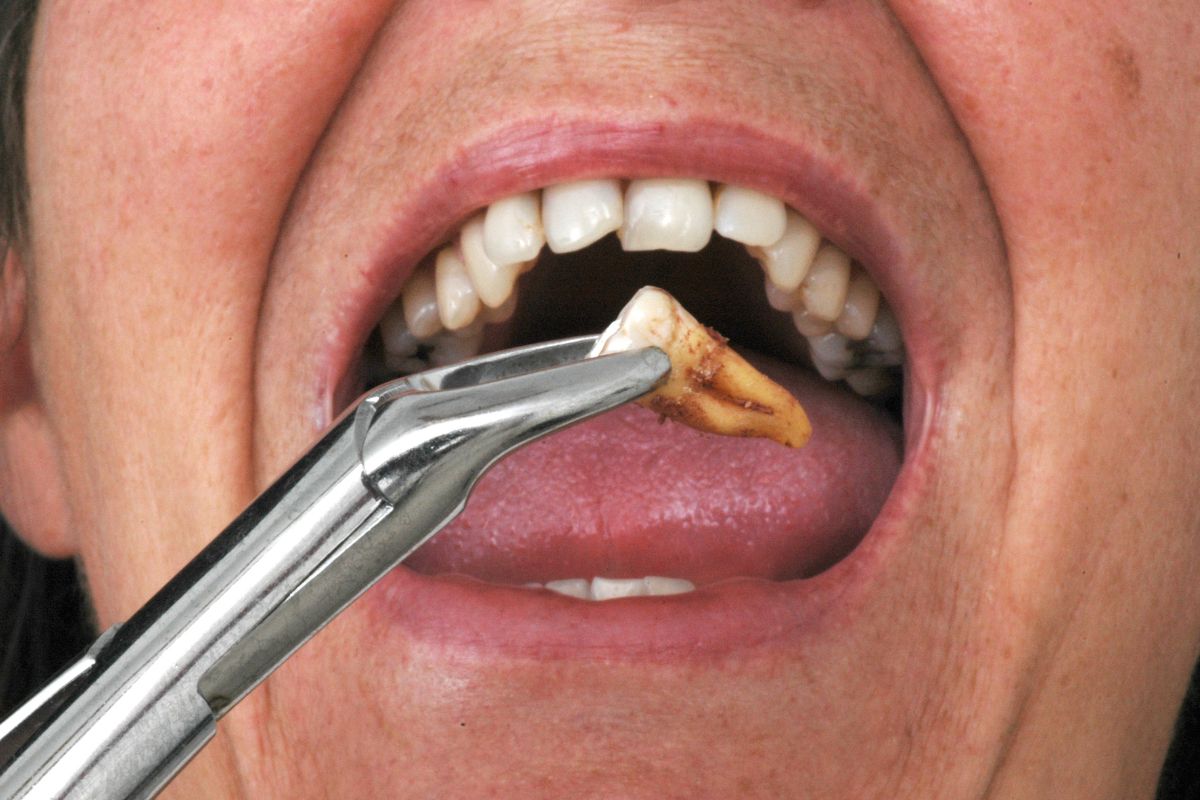
Tooth extractions can be necessary for various reasons, from severe decay to impacted wisdom teeth. Regardless of the cause, proper post-extraction care is crucial for a smooth recovery and oral health. This comprehensive guide will discuss how to take care of your teeth after an extraction, including important tips, stats, and best practices. If you’re looking for professional advice or need a consultation, visit a Dentist in Queens.
Understanding Tooth Extraction
Tooth extraction is a common dental procedure where a tooth is removed from its socket in the bone. Extractions are typically performed by dentists or oral surgeons. According to the American Dental Association (ADA), millions of teeth are extracted every year in the United States.
Immediate Aftercare: The First 24 Hours
Control Bleeding
Bleeding is normal after a tooth extraction. To control it:
- Bite Down on Gauze: Place a clean gauze pad over the extraction site and bite down firmly for 30-45 minutes.
- Avoid Disturbing the Area: Refrain from poking or prodding the extraction site with your tongue or fingers.
Manage Pain and Swelling
- Use Ice Packs: Apply an ice pack to the outside of your cheek for 15-20 minutes at a time to reduce swelling.
- Take Prescribed Medications: Follow your dentist’s instructions regarding pain medications. Over-the-counter options like ibuprofen can also help.
Rest and Recovery
- Limit Physical Activity: Avoid strenuous activities for at least 24 hours to prevent dislodging the blood clot.
- Keep Your Head Elevated: Use an extra pillow to keep your head elevated while sleeping, which can help reduce swelling.
Maintaining Oral Hygiene
Gentle Cleaning
- Avoid Brushing the Extraction Site: For the first 24 hours, refrain from brushing the extraction area.
- Resume Gentle Brushing: After the first day, brush your teeth gently, avoiding the extraction site. Use a soft-bristled toothbrush.
Rinse Carefully
- Salt Water Rinse: After 24 hours, rinse your mouth gently with a warm salt water solution (1/2 teaspoon of salt in a glass of warm water) to keep the area clean. Do this several times a day, especially after meals.
Eating and Drinking: What to Avoid and What to Include
Foods to Avoid
- Hard and Crunchy Foods: Stay away from nuts, chips, and hard candies.
- Sticky and Chewy Foods: Avoid chewing gum and sticky candies.
- Hot and Spicy Foods: These can irritate the extraction site.
Recommended Foods
- Soft Foods: Eat yogurt, mashed potatoes, and applesauce.
- Cold Foods: Ice cream and smoothies (without a straw) can be soothing.
- Protein Shakes: Ensure you’re getting enough nutrients during recovery.
Avoiding Complications
Do Not Smoke or Use Straws
- Smoking: Avoid smoking for at least 72 hours after an extraction. Smoking can delay healing and increase the risk of complications.
- Straws: Drinking through a straw can dislodge the blood clot and lead to a painful condition called dry socket.
Watch for Signs of Infection
- Increased Pain and Swelling: If pain and swelling worsen after a few days, it could be a sign of infection.
- Fever: A fever may indicate an infection that requires medical attention.
- Persistent Bleeding: If bleeding continues beyond 24 hours, contact your dentist.
Long-Term Care: Ensuring Complete Healing
Follow-Up Appointments
- Schedule a Follow-Up: Make sure to attend any follow-up appointments with your Dentist in Queens to monitor your healing process.
Oral Hygiene Routine
- Brush and Floss Regularly: Continue with your regular oral hygiene routine, being extra gentle around the extraction site until it’s fully healed.
- Use Mouthwash: Incorporate an antiseptic mouthwash to help prevent infection.
Diet and Nutrition
- Balanced Diet: Maintain a balanced diet to support overall health and healing.
- Hydration: Drink plenty of water to stay hydrated and help your body heal.
Statistics and Facts
- Common Procedure: According to the Centers for Disease Control and Prevention (CDC), tooth extractions are among the most common dental procedures.
- Healing Time: The average healing time for a tooth extraction is about one to two weeks, although it can vary depending on the individual’s health and the complexity of the extraction.
- Dry Socket: The American Association of Oral and Maxillofacial Surgeons (AAOMS) states that dry socket occurs in about 2-5% of tooth extractions, making it a relatively uncommon but painful complication.
When to Seek Help
If you experience any of the following, contact your Dentist in Queens immediately:
- Severe or worsening pain
- Signs of infection (fever, increased swelling, pus)
- Persistent bleeding
- Difficulty breathing or swallowing
Conclusion
Taking care of your teeth after an extraction is crucial for ensuring a smooth recovery and maintaining good oral health. By following these guidelines and keeping in touch with your Dentist in Queens, you can minimize complications and promote faster healing. Remember, proper aftercare not only helps in recovery but also sets the foundation for a healthier smile in the future.
For more personalized advice and professional dental care, visit Breezy Point Smiles, your trusted Dentist in Queens. Our team is dedicated to providing exceptional care and support throughout your dental health journey.
About the Author
Dr. Ron Kaminer has been providing outstanding oral healthcare for well over three decades. He earned his dental degree from the State University of New York at Buffalo School of Dental Medicine and regularly seeks continuing education to refine his skills. He offers a wide variety of high-quality services, including fillings, root canal therapy, teeth whitening, cosmetic bonding, and veneers. If you’d like to schedule an appointment, visit his website or call 718-474-6500.