
August 11, 2026
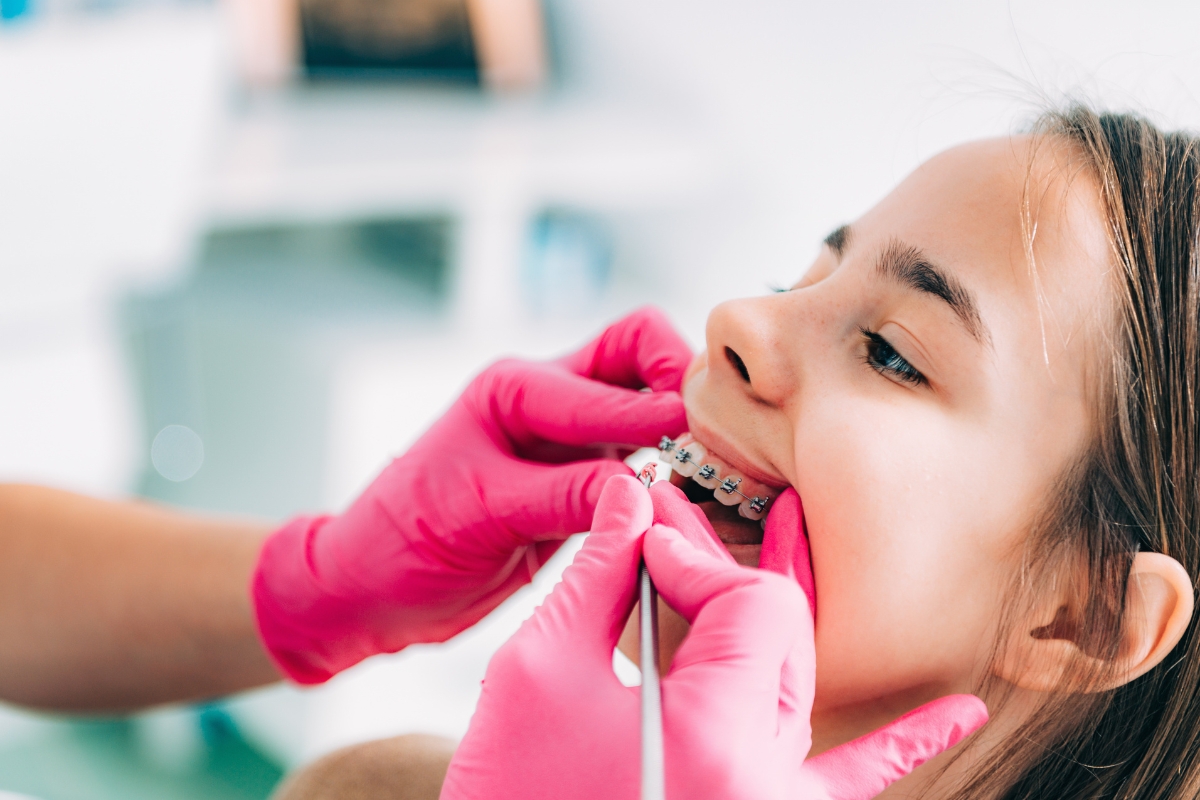
Ever notice how a slight lisp or a whistle when you talk just won’t go away? Or maybe chewing your food feels like more work than it should. You’re not imagining it. A lot of the time, the real culprit isn’t your tongue or your jaw muscles being “weak”; it’s how your teeth are lined up. And that’s exactly where a Queens Orthodontist comes in.
At Breezy Point Smiles, we see this all the time. Patients come in thinking their speech issue is just “how they talk,” or that chewing discomfort is just something to live with. Turns out, it’s often fixable. Not overnight, sure. But fixable.
Why Your Teeth Matter More Than You’d Think?
Your mouth is basically a finely tuned system. Teeth, tongue, lips, jaw, they all work together, kind of like a small orchestra. When one part is out of sync say, your teeth are crooked, or your bite doesn’t close right, the whole system has to compensate. And compensation isn’t free. It shows up as slurred sounds, extra effort while chewing, or even jaw fatigue by the end of the day.
That’s where seeing a Queens Orthodontist actually pays off. Orthodontic treatment isn’t just about a straighter smile for photos, although, yes, that’s a nice bonus. It’s about function. Real, everyday function.
The Speech Connection: More Than Just a Lisp
Here’s something people don’t always realize. Your teeth play a huge role in how clearly you speak. Certain sounds, like “S,” “Z,” “TH,” and “F,” need your tongue to hit specific spots against your teeth or the roof of your mouth. If your teeth are misaligned, gapped, or overcrowded, your tongue simply can’t land where it needs to.
A few common issues we see as a Queens Orthodontist:
- Open bite: front teeth don’t touch when your back teeth are closed, causing a lisp or whistling sound
- Overbite: upper teeth sit too far over the lower ones, muffling certain consonants
- Underbite: lower jaw juts forward, distorting sounds like “S” and “SH”
- Crossbite: teeth don’t align properly side to side, which can cause uneven speech patterns
- Crowded or spaced teeth: air escapes in the wrong places while you talk
Sound familiar? If you’ve been dealing with any of this, you’re not alone, and it’s genuinely one of the more common reasons people finally book an appointment with an orthodontist in Queens, NY.
The good news is, this isn’t permanent. Braces, clear aligners like Invisalign, or other orthodontic appliances gradually shift your teeth into positions that let your tongue and lips do their job properly. It doesn’t happen in a week. Give it time, and your speech will adjust right along with your bite.
The Chewing Problem Nobody Talks About
Now let’s talk chewing, because honestly, it doesn’t get nearly enough attention. Think about it this way: chewing is the first step of digestion. If your bite is off, you’re not breaking down food as efficiently, which means your stomach has to work harder later. Beyond that, uneven chewing can cause:
- Jaw pain or soreness, especially after meals
- Excessive wear on certain teeth (because you’re relying on them more than others)
- TMJ discomfort, that clicking or popping sound in your jaw
- Headaches, believe it or not, tied to jaw strain
- Avoiding certain foods altogether because chewing them is uncomfortable
A misaligned bite forces some teeth to do way more work than they should, while others barely touch. Over years, that imbalance adds up. It’s not dramatic at first: a little discomfort here, some extra jaw tension there, but it compounds.
This is precisely why a Queens Orthodontist looks at more than just how straight your teeth look. We’re evaluating how your upper and lower teeth meet, whether your bite is balanced, and whether your jaw is under unnecessary strain.
How Orthodontic Treatment Actually Fixes This
So how does this all get corrected? A few common paths, depending on what’s going on with your bite:
- Traditional metal or ceramic braces: Still one of the most reliable ways to shift teeth into proper alignment, especially for more complex bite issues.
- Clear aligners (Invisalign): A popular choice for adults and teens who want a subtler option, and effective for mild to moderate cases.
- Palatal expanders: Widen a narrow upper jaw, especially useful in kids and younger teens, which can help with crossbites and crowding.
- Retainers: Used after active treatment to keep everything in its new, corrected position (skipping this step is a mistake people make more often than you’d guess).
Each of these works gradually, moving teeth and sometimes jaw structure into a position where your bite closes evenly, and your tongue has the space it needs to form sounds correctly. Most people notice improvements in chewing fairly early in treatment. Speech tends to improve as the mouth adjusts to the new alignment. Not to mention, patience really does matter here.
Not Just for Kids, By the Way
There’s this idea floating around that orthodontic treatment is only for kids and teens. Not true at all. Plenty of adults come to Breezy Point Smiles specifically because chewing has become uncomfortable, or because a speech issue they’ve had for years finally started bothering them enough to do something about it.
Adult orthodontics has come a long way; Invisalign, in particular, has made treatment far less noticeable and more convenient for busy adult schedules. So if you’ve been putting this off because “aren’t braces for teenagers?”, they’re really not, not anymore.
What Happens During a Consultation
If you’re considering treatment, here’s roughly what to expect when you visit an orthodontist in Queens, NY:
- A full evaluation of your bite, jaw alignment, and tooth positioning
- Digital scans or X-rays to get a clear picture of what’s going on beneath the surface
- A conversation about your specific concerns, whether that’s speech, chewing, discomfort, or appearance
- A custom treatment plan, including timeline and options (braces vs. aligners, for instance)
- A discussion of cost and insurance, so there aren’t surprises later
It’s really not as intimidating as people expect. Most patients leave the first visit with a much clearer sense of what’s actually going on with their bite.
FAQ – Frequently Asked Questions
Q: How long does orthodontic treatment take to improve speech?
A: It varies quite a bit person to person, but many patients notice changes within a few months of starting treatment. Full correction, though, usually takes the length of the overall treatment plan, anywhere from several months to a couple of years, depending on how complex the case is.
Q: Can adults really benefit from orthodontic treatment for chewing issues?
A: Absolutely. Age doesn’t really limit how well orthodontic treatment works. Adult jaws and teeth respond to treatment, too. It might just take slightly longer than for a teenager.
Q: Will braces or aligners actually change how I talk at first?
A: Yes, temporarily. It’s common to notice a slight lisp or altered speech in the first week or two as your tongue adjusts to the new hardware in your mouth. This almost always resolves on its own as you get used to it.
Q: How do I know if my chewing issue is related to my bite?
A: If you’re noticing jaw soreness, uneven tooth wear, clicking sounds, or you’re avoiding certain foods because they’re hard to chew, it’s worth getting evaluated by a Queens Orthodontist. These are classic signs of a bite misalignment.
Q: Is Invisalign as effective as traditional braces for these issues?
A: For mild to moderate cases, yes, generally. More complex bite corrections may still call for traditional braces. Either way, your orthodontist in Queens, NY, can walk you through which option best fits your specific situation.
Ready to Fix Your Bite? Let’s Talk.
If speaking clearly or chewing without discomfort has become a daily hassle, you don’t have to just deal with it. That’s genuinely not the standard you should be settling for.
At Breezy Point Smiles, Dr. Ron Kaminer and Dr. Jonathan Lewis have helped countless patients throughout Breezy Point, Rockaway Point, Roxbury, and the surrounding Queens community get their bite and their confidence back on track. Whether it’s braces, Invisalign, or another orthodontic solution, we’ll walk you through exactly what your mouth needs. Book your consultation online to meet with a Queens Orthodontist who actually takes the time to listen. Your speech, your smile, and your jaw will thank you.
About the Author
Dr. Ron Kaminer has been providing outstanding oral healthcare for well over three decades. He earned his dental degree from the State University of New York at Buffalo School of Dental Medicine and regularly seeks continuing education to refine his skills. He offers a wide variety of high-quality services, including fillings, root canal therapy, teeth whitening, cosmetic bonding, and veneers. If you’d like to schedule an appointment, visit his website or call 718-474-6500.