
September 18, 2024
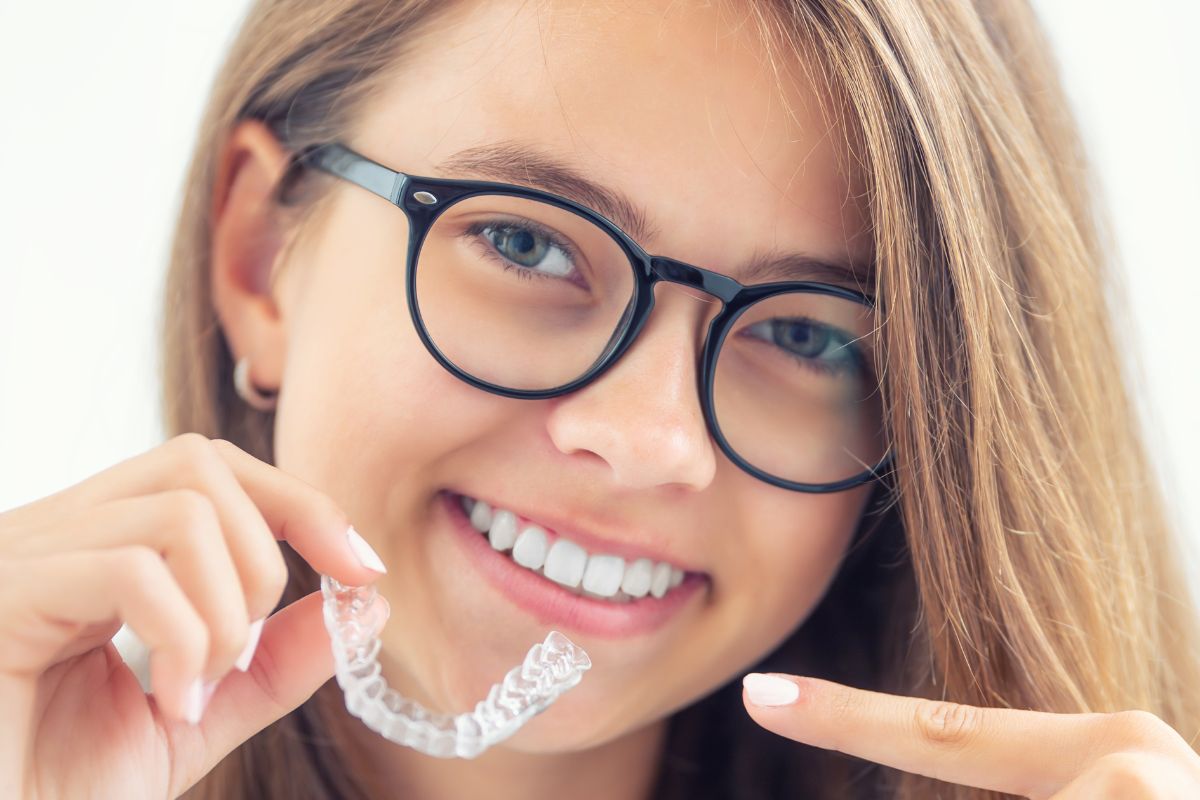
Invisalign has revolutionized the field of orthodontics by offering a clear, convenient, and effective way to straighten teeth. While traditional braces are still popular, many people prefer the aesthetic and comfort benefits that Invisalign offers, especially for minor dental issues. But how long does it take for Invisalign to work in minor cases? In this blog, we’ll explore the average timeline for minor cases, discuss key factors that influence treatment duration, and provide insights on why consulting a dentist in Queens or an Orthodontist in Queens can help you achieve optimal results.
What is Considered a Minor Case?
Before diving into treatment timelines, it’s essential to understand what qualifies as a “minor case” in orthodontics. A minor case usually involves small cosmetic adjustments rather than severe misalignment or bite issues. Common examples include:
- Slight gaps between teeth
- Mild crowding
- Minimal tooth rotation
- Minor bite alignment issues (e.g., slight overbite or underbite)
If your dental issues fall into one of these categories, you’re likely dealing with a minor case that can be treated faster with Invisalign in Queens compared to more severe orthodontic problems.
How Long Does Invisalign Take for Minor Cases?
On average, Invisalign treatment for minor cases typically lasts between 3 to 6 months. This is significantly shorter than the standard treatment time for more complex cases, which can range from 12 to 18 months or longer. However, the exact duration depends on various factors, including:
- Severity of the misalignment: Even among minor cases, some issues may take longer to correct.
- Patient compliance: Invisalign aligners need to be worn for 20-22 hours per day. Failing to do so can prolong the treatment process.
- Frequency of aligner changes: In minor cases, aligners may be changed every 1-2 weeks, speeding up the process.
For a more accurate estimate, it’s best to consult a dentist in Queens who specializes in Invisalign treatments. They can evaluate your specific case and provide a more personalized timeline.
Factors That Affect Invisalign Treatment Duration
1. Severity of Dental Issues
While minor cases generally take less time to correct, the specific nature of your dental issues can still affect the timeline. For example, correcting a minor gap between teeth may take less time than rotating a slightly crooked tooth. A consultation with an Orthodontist in Queens can help you understand how long your particular case will take.
2. Age and Bone Density
Younger patients often experience faster results because their bones are still growing, making it easier for teeth to move. However, Invisalign is effective for adults as well, but treatment may take slightly longer due to reduced bone flexibility. Your Queens dentist can assess these factors to give you a better idea of your expected treatment duration.
3. Consistency of Aligner Wear
Invisalign requires a high level of patient compliance to be effective. Aligners must be worn for at least 20-22 hours per day. Removing them for longer periods can delay your progress. The good news is that patients often find Invisalign more comfortable and less obtrusive than traditional braces, making it easier to stick to the wear-time requirement.
4. Follow-up Appointments and Monitoring
Regular check-ins with your Orthodontist in Queens are essential to ensure that your treatment is on track. Adjustments may be needed along the way, and if you fall behind on your appointments, it could extend the treatment timeline.
The Invisalign Process for Minor Cases
1. Initial Consultation
Your first step toward achieving a straighter smile with Invisalign in Queens is an initial consultation with a dentist or orthodontist. During this visit, your dental professional will examine your teeth, take X-rays, and determine if Invisalign is suitable for your needs.
2. Custom Treatment Plan
Once your dentist decides that Invisalign is right for your minor case, they will create a 3D model of your teeth. Using this model, a custom treatment plan is developed, showing how your teeth will gradually move into their desired positions over time.
3. Aligner Fitting
You’ll receive a series of custom-made aligners designed to fit snugly over your teeth. Each set of aligners is worn for one to two weeks, depending on your treatment plan. In most cases, patients change their aligners every week, which can accelerate the treatment process for minor cases.
4. Follow-Up Visits
Regular follow-up visits with your Queens dentist are essential for monitoring your progress. During these visits, your dentist will assess how well your teeth are moving and provide you with new aligners if needed.
Invisalign Success Rates and Statistics
Invisalign has a success rate of about 96% in treating mild to moderate cases, according to a study published in the American Journal of Orthodontics and Dentofacial Orthopedics. For minor cases, Invisalign is extremely effective, and many patients see noticeable results in just a few weeks.
- 95% of Invisalign patients report that they are satisfied with the results.
- Invisalign aligners are up to 50% faster than traditional braces for minor cases.
- Approximately 8 million people worldwide have used Invisalign to straighten their teeth.
Pros and Cons of Invisalign for Minor Cases
Pros:
- Shorter Treatment Time: Minor cases typically take 3-6 months, making it a quick solution for minor corrections.
- Aesthetic Benefits: The clear aligners are virtually invisible, offering a discreet way to straighten teeth.
- Removable: Aligners can be removed while eating, drinking, or brushing, providing more flexibility than traditional braces.
Cons:
- Compliance: Patients must commit to wearing the aligners for 20-22 hours a day to see optimal results.
- Cost: Invisalign tends to be more expensive than traditional braces, though the price for minor cases can be more affordable.
Why Choose Invisalign for Minor Cases?
Invisalign offers several advantages over traditional braces, especially for minor cases. Patients enjoy the convenience, discretion, and faster results that Invisalign provides. Additionally, since Invisalign aligners are removable, maintaining oral hygiene is much easier compared to traditional braces.
Choosing a qualified dentist in Queens or an Orthodontist in Queens is crucial to ensuring the best results from your Invisalign treatment. These professionals can assess your dental needs and customize your treatment to achieve a straighter, healthier smile in less time.
Conclusion: Is Invisalign the Right Choice for You?
Invisalign is a highly effective treatment for minor dental issues, offering faster results and greater convenience compared to traditional braces. Most patients with minor cases can achieve their desired results in just 3 to 6 months. If you’re considering Invisalign, consult a dentist in Queens or an Orthodontist in Queens to determine the best course of action for your smile.
By working closely with a Queens dentist, you’ll not only receive expert guidance but also ensure that your treatment is tailored to your unique dental needs.
About the Author
Dr. Ron Kaminer has been providing outstanding oral healthcare for well over three decades. He earned his dental degree from the State University of New York at Buffalo School of Dental Medicine and regularly seeks continuing education to refine his skills. He offers a wide variety of high-quality services, including fillings, root canal therapy, teeth whitening, cosmetic bonding, and veneers. If you’d like to schedule an appointment, visit his website or call 718-474-6500.