
October 13, 2023
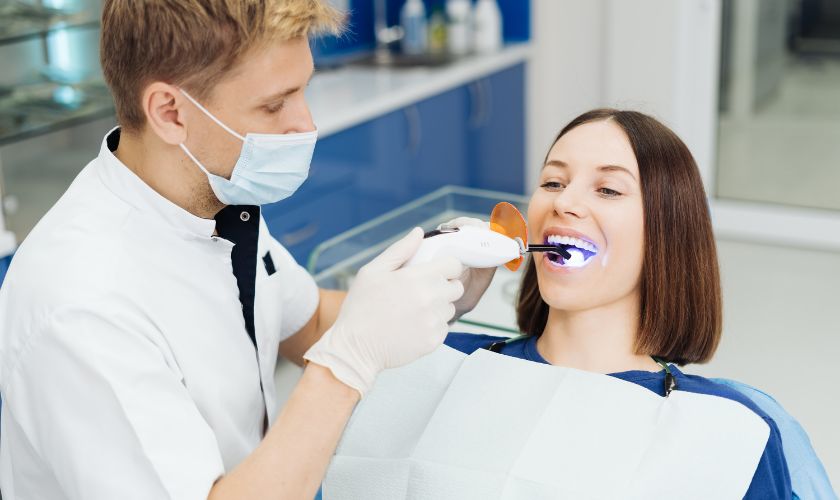
Welcome to the exciting world of laser dentistry, where cutting-edge technology is revolutionizing how we treat gum disease! Gone are the days of painful and invasive procedures – lasers are now at the forefront of dental care, offering a gentle and precise approach to oral health. In this blog post, we will explore the numerous advantages that laser dentistry brings to the table, as well as delve into the different types of lasers used in this innovative field. Say goodbye to fear and discomfort, because laser dentistry is here to change your perception of gum disease treatment for good! So sit back, relax, and let’s dive into this fascinating topic together.
Advantages of Laser Dentistry
Laser dentistry has revolutionized the way we treat gum disease, offering numerous advantages over traditional methods. One major advantage is that laser procedures are minimally invasive, meaning there is less discomfort and faster healing time for patients.
With laser technology, dentists can precisely target diseased areas while leaving healthy tissue untouched. This reduces the risk of complications and promotes better overall oral health. Additionally, lasers cauterize blood vessels during treatment, minimizing bleeding and reducing the need for sutures.
Another advantage of laser dentistry is its ability to sterilize and disinfect as it works. The intense heat generated by the laser kills bacteria on contact, helping to prevent infection and promote a quicker recovery process.
Furthermore, lasers in dentistry provide greater precision compared to traditional tools. Dentists have better control over the procedure, resulting in more accurate results with minimal damage to surrounding tissues. This also means that less anesthesia may be needed during treatment.
Many patients appreciate that laser treatments are often quieter than traditional drills or scalpels used in dental procedures. This can help alleviate anxiety or fears associated with visiting the dentist.
Laser dentistry offers several advantages including reduced discomfort and faster healing time for patients. With greater precision and minimal damage to healthy tissue, it’s no wonder why this innovative technology is changing the way we treat gum disease!
Types of Laser Used in Dentistry
When it comes to treating gum disease, lasers have revolutionized the field of dentistry. These innovative tools offer a range of benefits, including increased precision and minimal discomfort for patients. But what types of lasers are used in dentistry? Let’s take a closer look.
1. Diode Lasers: Diode lasers are commonly used in dental procedures due to their ability to target soft tissues effectively. They emit a concentrated beam of light that can be adjusted based on the specific needs of each patient. Diode lasers are often utilized for gum contouring, tissue removal, and periodontal therapy.
2. Nd:YAG Lasers: Nd:YAG (neodymium-doped yttrium aluminum garnet) lasers are versatile instruments used in various dental treatments. They can penetrate deeper into the tissues compared to other laser types, making them suitable for addressing more advanced cases of gum disease or removing benign tumors.
3. Erbium Lasers: Erbium lasers come in two forms – erbium-doped yttrium aluminum garnet (Er:YAG) and erbium-chromium-doped yttrium-scandium-gallium-garnet (Er,Cr:YSGG). These lasers excel at removing tooth decay while preserving healthy enamel and minimizing damage to surrounding structures.
4. CO2 Lasers: Carbon dioxide (CO2) lasers produce an intense beam that is easily absorbed by water molecules present in oral tissues, resulting in precise cutting capabilities with minimal bleeding during surgical procedures like frenectomies or gingivectomies.
Each type of laser has its own unique qualities and applications within dentistry. By harnessing the power of these advanced technologies, dental professionals can provide patients with more efficient treatment options that promote faster healing times and improved overall oral health.
The Bottom Line
Laser dentistry has revolutionized the way we treat gum disease, offering a host of advantages over traditional methods. With its precision and minimally invasive nature, laser dentistry provides patients with a more comfortable experience and faster recovery times.
By using lasers, dentists can effectively remove infected tissue and bacteria from the gums without causing excessive bleeding or discomfort. The heat generated by the laser also helps to stimulate blood flow and promote healing in the treated area.
Furthermore, laser dentistry allows for precise targeting of diseased areas while preserving healthy gum tissue. This means less trauma to surrounding structures and a reduced risk of complications.
Types of lasers used in dentistry include diode lasers, erbium lasers, and carbon dioxide lasers. Each type has its own unique characteristics and is suited for different dental procedures. Your dentist will determine which type of laser is most appropriate for your specific needs.
Laser dentistry offers numerous benefits in the treatment of gum disease. From improved comfort to faster healing times, this advanced technology is changing the landscape of dental care. If you’re suffering from gum disease or are concerned about your oral health, consider exploring the options offered by laser dentistry – it may just be the solution you’ve been waiting for! So why wait? Schedule an appointment with your dentist today and discover how laser dentistry can transform your smile.
About the Author
Dr. Ron Kaminer has been providing outstanding oral healthcare for well over three decades. He earned his dental degree from the State University of New York at Buffalo School of Dental Medicine and regularly seeks continuing education to refine his skills. He offers a wide variety of high-quality services, including fillings, root canal therapy, teeth whitening, cosmetic bonding, and veneers. If you’d like to schedule an appointment, visit his website or call 718-474-6500.