
October 20, 2026
Ever bite into a sandwich and feel like your teeth just… don’t line up right? Or maybe your jaw clicks when you chew, and you’ve kind of stopped noticing. A lot of people live like this for years. They figure it’s normal.
It’s often not. What you’re feeling could be a bite problem, and bite problems are way more common than most people think. The good news? They’re fixable. That’s exactly where a Queens Orthodontist steps in. So let’s go through the main types, what they do to you, and how they actually get corrected.
What Is a “Bite Problem,” Anyway?
Your bite is just how your upper and lower teeth meet when you close your mouth. In a healthy bite, the upper teeth sit slightly over the lower ones, and everything fits together like puzzle pieces. When it doesn’t, dentists call it a malocclusion. Fancy word. Simple idea: your teeth and jaws aren’t lining up the way they should. Why does it happen? Genetics, mostly. Thumb-sucking, early baby tooth loss, and jaw growth issues can play a part too.
Common Bite Problems You Should Know
1. Overbite
A slight overlap of your upper front teeth over the lower ones is normal, but an excessive overlap is a common bite problem that can range from mild to severe. It may cause uneven tooth wear, jaw discomfort, or damage to the gums if your lower teeth bite into them. A Queens Orthodontist can assess your bite and recommend braces, clear aligners, or other appliances to improve alignment.
2. Underbite
An underbite occurs when your lower front teeth sit in front of your upper teeth, often because of differences in jaw growth. It can range from mild to severe and may make biting into food, chewing, and speaking more difficult. Professional orthodontic treatment can improve tooth alignment, while more severe jaw-related cases may require a combination of orthodontics and jaw surgery.
3. Crossbite
A crossbite happens when one or more upper teeth sit inside the lower teeth instead of outside them. It can affect the front or back teeth and is common enough to occur in both children and adults. If left untreated, it may cause uneven tooth wear, gum recession, or jaw shifting; orthodontists may use braces, aligners, or expanders to correct the alignment.
4. Open Bite
With an open bite, your upper and lower front teeth don’t touch when you close your back teeth together. This problem can develop from genetics, prolonged thumb-sucking, or tongue-thrusting habits, and its severity varies. It can make biting into foods and speaking clearly more difficult, but an orthodontist can evaluate the cause and recommend braces, aligners, or habit-focused treatment.
5. Deep Bite
A deep bite occurs when your upper front teeth cover too much of your lower front teeth. It’s a relatively common bite issue, but severe cases can cause the lower teeth to wear down excessively or bite into the gums and roof of the mouth. An orthodontist can use braces, clear aligners, or specialized appliances to reduce the excessive overlap and help protect your teeth and gums.
6. Crowding and Spacing
Crowding happens when your teeth don’t have enough room, while spacing means you have noticeable gaps between them. Both are common alignment issues that range from mild to complex, depending on your teeth and jaw structure. Crowded teeth can be harder to clean, raising the risk of cavities and gum disease, while gaps can trap food; orthodontists use braces, clear aligners, or other treatments to improve spacing and create a more balanced bite.
Why Bite Problems Are More Than a Cosmetic Thing
People often think bite issues are only about looks. Honestly, they’re not. A bad bite can cause:
- Jaw pain and TMJ trouble
- Headaches, sometimes frequent ones
- Uneven wear or chipped teeth
- Trouble chewing certain foods
- Speech problems
None of that is about how your smile looks in photos. That’s the point, and it’s why a Queens Orthodontist looks at function first.
How Orthodontists Fix Bite Problems
Here’s where things get interesting. Treatment depends on your age, your jaw, and how serious the problem is. A Queens Orthodontist has several tools to work with.
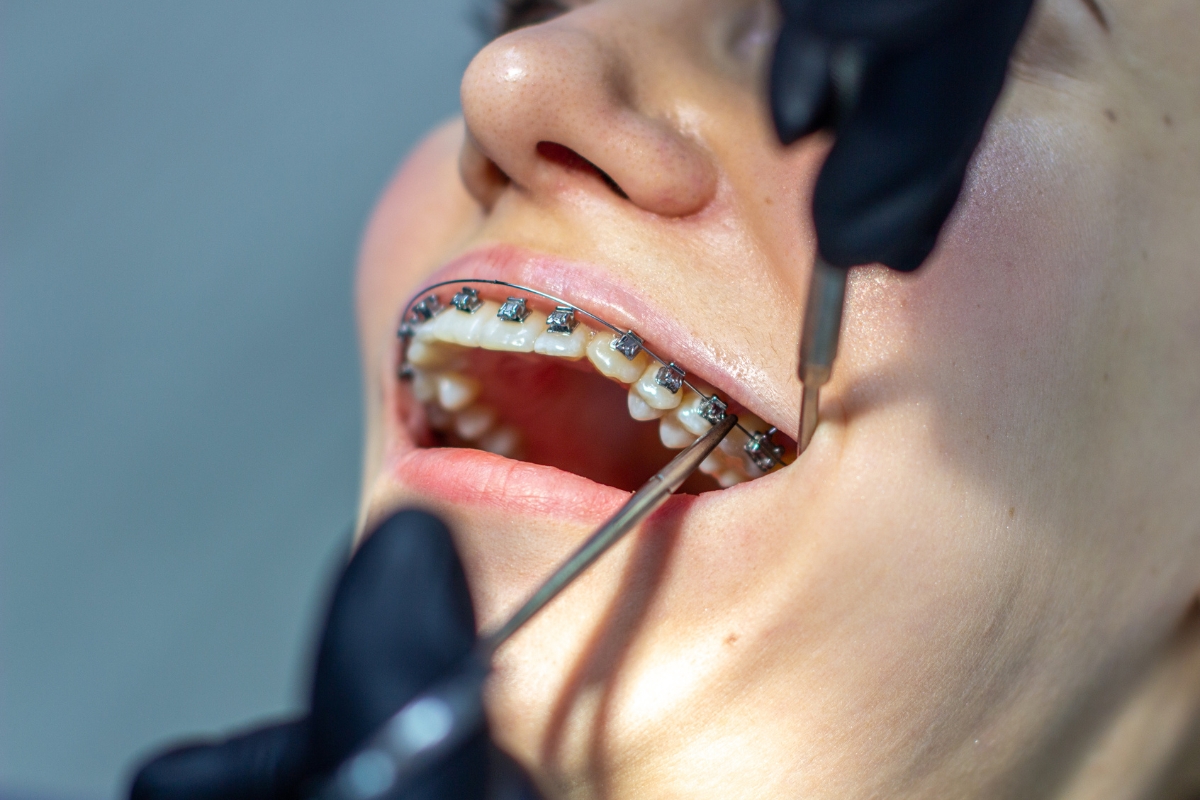
- Traditional braces: Metal or ceramic brackets and wires apply steady pressure, slowly moving your teeth into the right spots. They’re great for moderate to complex cases, including most overbites, crossbites, and crowding.
- Clear aligners: Invisalign and similar systems use a series of removable trays. They work well for mild to moderate problems, and a lot of adults love them because they’re hard to notice.
- Elastics (rubber bands): Tiny rubber bands connect your upper and lower teeth and pull your bite into position. Yes, they’re a bit annoying. They also work really well for overbites and underbites.
- Palatal expanders: These gently widen a narrow upper jaw. They’re mostly used in kids and young teens, while the jaw is still growing, and they’re a go-to fix for crossbites and crowding.
- Jaw surgery: For severe cases, especially in fully grown adults, an orthodontist may team up with an oral surgeon. Braces get your teeth ready, and surgery repositions the jaw. It’s a bigger step, but it can be life-changing.
When Should You Get Your Bite Checked?
Sooner than you’d guess. The American Association of Orthodontists recommends a first check-up around age 7. That doesn’t mean braces at 7. It just means someone’s watching how your child’s jaw and teeth are developing, so problems get caught early.
But adults? Absolutely, you can fix a bite too. It’s never really “too late.” Teeth respond to pressure at any age. Treatment may take a bit longer; that’s all. Not sure if you need a visit? If your jaw clicks or aches, chewing feels uneven, or your teeth look worn down, a Queens Orthodontist can tell you what’s going on.
What to Expect at Your First Visit
Nothing scary, promise. A visit to an orthodontist in Queens usually goes something like this:
- A full look at your teeth, jaw, and bite
- X-rays and digital scans
- A chat about what bugs you
- A custom treatment plan, with timeline and options
- A clear talk about costs, so no surprises
Most people walk out with a much better idea of what’s going on.
How Long Does It Take?
It depends. Mild problems can sometimes be corrected in about 6 to 12 months. More complex ones can take 18 to 24 months, occasionally longer. An orthodontist in Queens will give you a realistic estimate after your exam. And afterward? You’ll wear a retainer. Skip it, and your teeth may slowly drift back.
FAQ: Frequently Asked Questions
Q: Can a bad bite fix itself over time?
A: Rarely. Bite problems usually stay the same or get worse as you age, because teeth and jaws don’t self-correct. Professional treatment is the reliable way to fix them.
Q: Is Orthodontic treatment painful?
A: You’ll likely feel some soreness after getting braces or switching to a new set of aligners. It’s usually mild and settles down within a few days.
Q: Are braces or aligners better for bite problems?
A: It depends on your case. Aligners handle mild to moderate issues well, while braces often work better for more complex bites. Your orthodontist can tell you which fits you best.
Q: Can adults really correct a bite problem with orthodontic treatment?
A: Yes. Plenty of adults do it. It might take a bit longer than it does for teens.
Q: Does insurance cover bite correction?
A: Many plans cover part of orthodontic treatment, though coverage varies. It’s worth checking your plan, and our team can walk you through your options.
Ready to Fix Your Bite?
Bite problems don’t fix themselves, and they get more troublesome the longer you wait. Whether it’s you, your teen, or your child, getting it checked now can save a lot of discomfort down the road. At Breezy Point Smiles, Dr. Ron Kaminer and Dr. Jonathan Lewis help patients from Breezy Point, Rockaway Point, Roxbury, and the surrounding Queens community get a healthier, better-fitting bite. Book your visit or visit us at our clinic at 204-08 Rockaway Point Blvd, Breezy Point, NY 11697, to correct your smile.
About the Author
Dr. Ron Kaminer has been providing outstanding oral healthcare for well over three decades. He earned his dental degree from the State University of New York at Buffalo School of Dental Medicine and regularly seeks continuing education to refine his skills. He offers a wide variety of high-quality services, including fillings, root canal therapy, teeth whitening, cosmetic bonding, and veneers. If you’d like to schedule an appointment, visit his website or call 718-474-6500.