
July 10, 2024
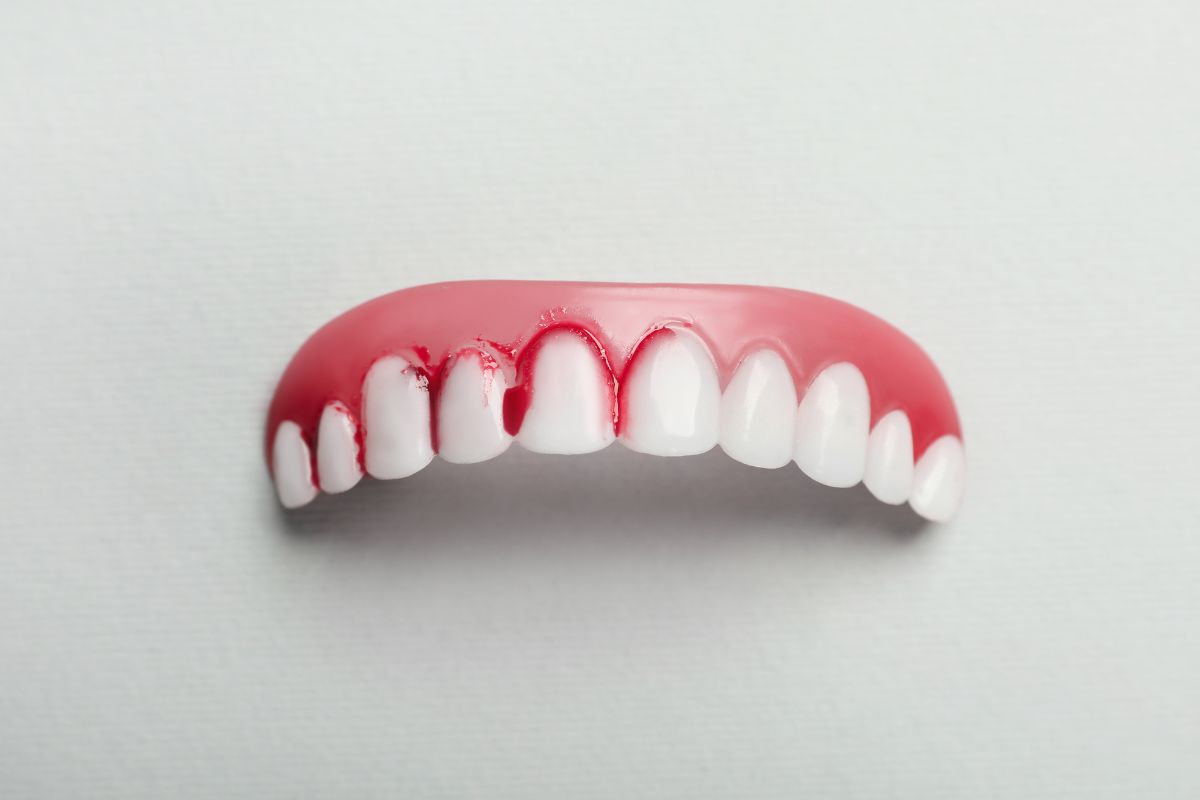
Gum disease, also known as periodontal disease, is a common yet serious condition that affects the gums and the bones supporting the teeth. Identifying the early signs of gum disease can prevent it from progressing to more severe stages, ultimately protecting your oral health. If you suspect you may have gum disease, consulting a dentist in Queens is essential for accurate diagnosis and effective treatment.
What is Gum Disease?
Gum disease is an infection of the tissues that hold your teeth in place. It’s typically caused by poor oral hygiene, leading to plaque buildup on the teeth. When plaque is not removed, it hardens into tartar, which can only be removed by a professional dental cleaning. Over time, this can cause inflammation of the gums, known as gingivitis, and can progress to periodontitis if left untreated.
Early Signs and Symptoms
Bleeding Gums
One of the earliest and most common signs of gum disease is bleeding gums, especially when brushing or flossing. According to the American Dental Association (ADA), this can indicate gingivitis, the mildest form of gum disease.
Red, Swollen Gums
Healthy gums should be firm and pink. If you notice that your gums are red, swollen, or tender, it could be a sign of gum disease. Inflammation is a response to bacterial infection, and it’s crucial to address it promptly.
Persistent Bad Breath
Bad breath (halitosis) that doesn’t go away with regular brushing and flossing may be a sign of gum disease. The bacteria in plaque and tartar produce foul-smelling compounds, leading to persistent bad breath.
Receding Gums
Gum recession, where the gums pull away from the teeth, exposing more of the tooth or its root, can be a sign of advanced gum disease. This can make your teeth appear longer and may increase sensitivity.
Loose Teeth
As gum disease progresses, it can destroy the bone and tissues that support your teeth, causing them to become loose. If you notice any mobility in your teeth, it’s vital to seek immediate care from a dentist in Queens.
Advanced Symptoms
Pus Between Teeth and Gums
The presence of pus or a discharge between your teeth and gums is a clear indicator of a severe infection. This requires prompt dental attention to prevent further complications.
Change in Bite
Gum disease can cause your teeth to shift, changing the way your teeth fit together when you bite. If you notice any changes in your bite, it’s essential to consult a dentist.
Painful Chewing
Difficulty or pain while chewing can also be a symptom of advanced gum disease. This discomfort often stems from the inflammation and infection affecting the tissues and bone around your teeth.
Risk Factors
Poor Oral Hygiene
The most significant risk factor for gum disease is inadequate oral hygiene. Regular brushing and flossing are crucial for removing plaque and preventing tartar buildup.
Smoking and Tobacco Use
According to the Centers for Disease Control and Prevention (CDC), smokers are twice as likely to develop gum disease compared to non-smokers. Tobacco use weakens the immune system, making it harder to fight off gum infections.
Genetic Predisposition
Some individuals may be more prone to gum disease due to their genetic makeup. If you have a family history of gum disease, you should be extra vigilant about your oral health.
Medical Conditions
Certain medical conditions, such as diabetes, can increase the risk of developing gum disease. Diabetes affects the body’s ability to process sugar and can lead to higher levels of sugar in the saliva, which can promote bacterial growth.
Medications
Some medications can reduce saliva flow, which protects the mouth by washing away food and neutralizing acids produced by bacteria. Reduced saliva flow can lead to dry mouth, increasing the risk of gum disease.
Prevention and Treatment
Good Oral Hygiene Practices
Preventing gum disease starts with maintaining good oral hygiene. Brush your teeth at least twice a day, floss daily, and use an antibacterial mouthwash to reduce plaque-causing bacteria.
Regular Dental Checkups
Seeing a dentist in Queens regularly for checkups and cleanings is crucial for preventing gum disease. Professional cleanings remove tartar that cannot be eliminated by brushing and flossing alone.
Quitting Smoking
If you smoke or use tobacco products, quitting can significantly reduce your risk of gum disease. Your dentist can provide resources and support to help you quit.
Healthy Diet
Eating a balanced diet rich in vitamins and minerals can help maintain healthy gums. Foods high in vitamin C, such as citrus fruits, and calcium-rich foods, like dairy products, can promote gum health.
Professional Treatments
If you have gum disease, your dentist may recommend treatments such as scaling and root planing, which are deep cleaning procedures that remove plaque and tartar from below the gum line. In more severe cases, surgical treatments may be necessary.
Conclusion
Recognizing the signs of gum disease early can prevent serious complications and preserve your oral health. If you experience any symptoms of gum disease, it’s important to consult a dentist in Queens for a thorough evaluation and appropriate treatment. By maintaining good oral hygiene and regular dental visits, you can keep your gums healthy and avoid the adverse effects of gum disease.
About the Author
Dr. Ron Kaminer has been providing outstanding oral healthcare for well over three decades. He earned his dental degree from the State University of New York at Buffalo School of Dental Medicine and regularly seeks continuing education to refine his skills. He offers a wide variety of high-quality services, including fillings, root canal therapy, teeth whitening, cosmetic bonding, and veneers. If you’d like to schedule an appointment, visit his website or call 718-474-6500.