
October 8, 2026
“My teeth feel fine, so I’m good.” Ever said that to yourself? Most of us have. Here’s the catch: a lot of serious dental problems stay quiet for a long time. No pain. No swelling. Nothing you’d notice in the mirror. Then one day, it hurts. And by then, the fix is bigger, pricier, and a whole lot more annoying. That’s where a dentist in Queens earns their keep. Dentists don’t just clean your teeth. They look for trouble you’d never spot yourself. Let’s walk through how they do it.
Why Waiting for Pain Is a Bad Plan
Pain is a late alarm. Cavities, gum disease, and even oral cancer can grow for months without a single twinge. By the time you feel something, the damage has often moved past the easy-fix stage.
Think of a small leak under your sink. Ignore it, and you’ve got a flooded kitchen. Teeth work the same way.
6 Ways Dentists Spot Serious Problems Early
1. A Careful Visual Exam
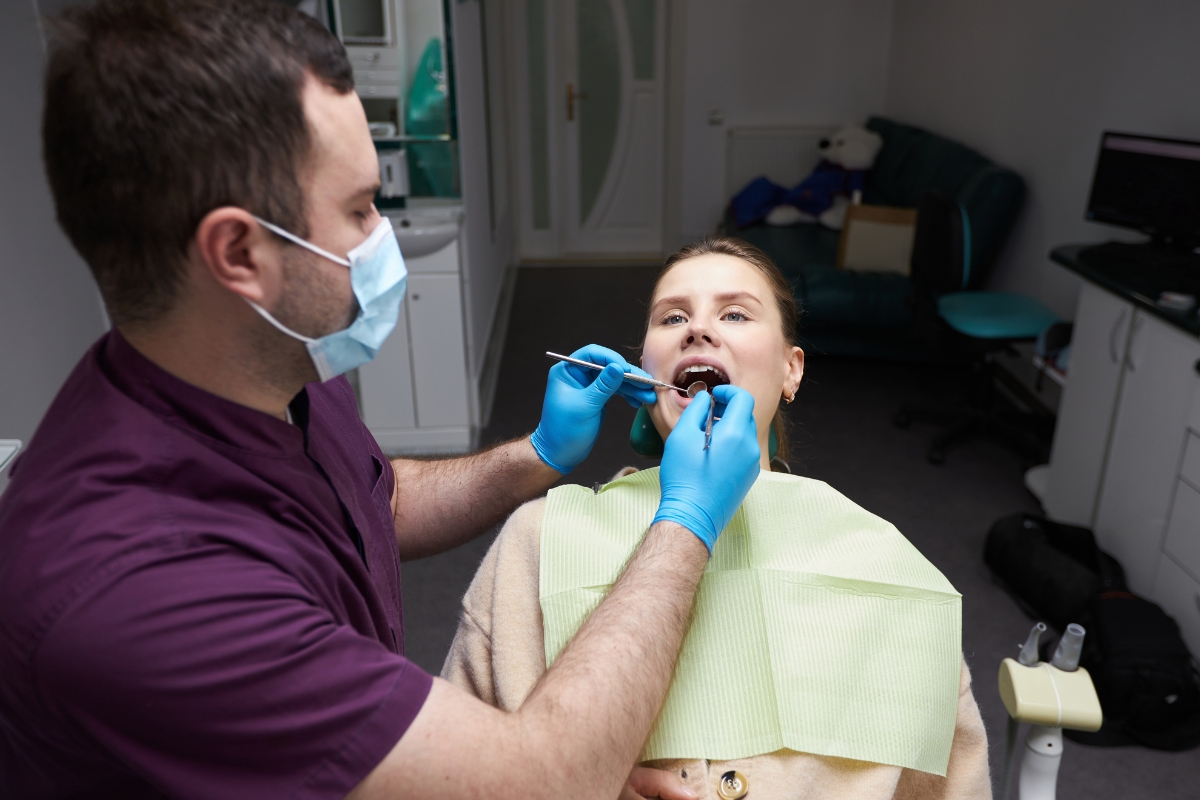
First up, the basics. Your dentist checks every tooth, one by one, with a small mirror and a bright light. They look for dark spots, cracks, worn enamel, loose fillings, and chipped edges. Trained eyes catch things you’d miss. A good dentist in Queens also checks your tongue, cheeks, and the roof of your mouth. Yes, even there. Problems love hiding in those spots.
2. X-Rays That Show What You Can’t See
Here’s the thing: a lot of trouble hides where no one can see it. Between your teeth. Under old fillings. Below the gumline. Inside the bone. X-rays reveal all of that. They can show cavities that haven’t made it to the surface, infections at the tip of a root, bone loss, impacted teeth, and cysts. Modern dental X-rays use very low radiation, and your dentist only takes them when they’re needed.
3. Gum Health Checks
Gum disease is sneaky. Early on, you might see a little blood when you brush, and that’s it. Your dentist uses a tiny measuring tool to check the space between your gums and teeth. Healthy pockets are shallow, usually 1 to 3 millimeters. Deeper pockets can signal gum disease. Catch it at the first stage, called gingivitis, and it’s fully reversible. Wait too long, and you can lose bone and teeth. So these quick checks matter a lot.
4. Oral Cancer Screening
Your dentist checks your lips, tongue, throat, and neck for lumps, red or white patches, and sores that don’t heal. The screening takes just a couple of minutes. Early-stage oral cancer often has no pain. That’s exactly why this check is part of a routine visit. Finding it early can make a huge difference in treatment results.
5. Bite and Jaw Evaluation
Does your jaw click? Do your teeth look flat or worn down? Maybe you grind them at night and don’t know it. Your dentist watches how your teeth come together and feels your jaw joints for tension or popping. Spotting grinding or a bad bite early can save you from cracked teeth, headaches, and jaw pain down the road. Sometimes a simple night guard does the trick.
6. Looking at Old Dental Work
Fillings, crowns, bridges, and implants don’t last forever. Over time, they can crack, loosen, or leak. Bacteria then sneak underneath, and decay starts again, quietly. Your dentist checks the edges and fit of all your past work, so small issues get fixed before they turn into big ones.
Serious Problems Your Dentist Can Catch Early
Put all those checks together, and your dentist can find:
- Cavities, even tiny ones
- Gum disease and bone loss
- Cracked or weak teeth
- Oral cancer
- Infections and abscesses
- Teeth grinding and bite issues
- Worn or failing fillings and crowns
Every one of these is easier, cheaper, and less painful to treat when it’s caught early. That’s really the whole story.
How Often Should You Go?
For most people, every six months works well. Some folks need to go more often, like people with a history of gum disease, lots of cavities, or smokers. A dentist in Queens can tell you what schedule fits you best, based on your own risk level.
And if it’s been years since your last visit? Don’t stress. Just book it.
What to Expect at Your Visit
Nothing scary. A visit to a dentist in Queens usually goes like this:
- A quick chat about your health and any concerns
- A full exam of your teeth, gums, and mouth
- X-rays when needed
- A professional cleaning
- A plain-English explanation of what they found, plus next steps
Anything unclear? Ask.
Don’t Ignore These Warning Signs
Regular visits catch most problems. But if you notice any of these between checkups, call a dentist in Queens soon:
- Tooth pain or sensitivity that doesn’t go away
- Bleeding, swollen, or red gums
- Bad breath that won’t quit
- Loose teeth
- A sore or lump that’s lasted more than two weeks
- Pain when you chew
Don’t wait for them to get worse.
FAQ: Frequently Asked Questions
Q: How often should I get a dental checkup?
A: Most people do well with a checkup and cleaning every six months. Your dentist may suggest more frequent visits if you have a higher risk of gum disease or cavities.
Q: Can a dentist really find problems before I feel any pain?
A: Yes. Cavities, gum disease, and oral cancer often cause no pain in the early stages. Exams and X-rays help your dentist spot them first.
Q: Are dental X-rays safe?
A: Yes. Modern dental X-rays use very low levels of radiation, and your dentist only takes them when they’re needed to get a clear picture of what’s happening.
Q: What happens if my dentist finds a problem?
A: They’ll explain what they see, go over your options, and talk about timing and cost. You decide what to do next, with no pressure.
Q: I haven’t been to the dentist in years. Is it too late?
A: Not at all. Many people come back after a long break. Your dentist in Queens will start with a full exam and build a plan from there.
Catch It Early. Keep Your Smile.
Serious dental problems rarely start loud. They start quiet, and by the time you notice, they’ve already grown. A regular visit is the simplest way to stay ahead of them.
At Breezy Point Smiles, Dr. Ron Kaminer and Dr. Jonathan Lewis help patients from Breezy Point, Rockaway Point, Roxbury, and the surrounding Queens community stay on top of their oral health with thorough, friendly checkups. Book your visit or visit us at our clinic at 204-08 Rockaway Point Blvd, Breezy Point, NY 11697, to get complete dental care.
About the Author
Dr. Ron Kaminer has been providing outstanding oral healthcare for well over three decades. He earned his dental degree from the State University of New York at Buffalo School of Dental Medicine and regularly seeks continuing education to refine his skills. He offers a wide variety of high-quality services, including fillings, root canal therapy, teeth whitening, cosmetic bonding, and veneers. If you’d like to schedule an appointment, visit his website or call 718-474-6500.