
July 2, 2025
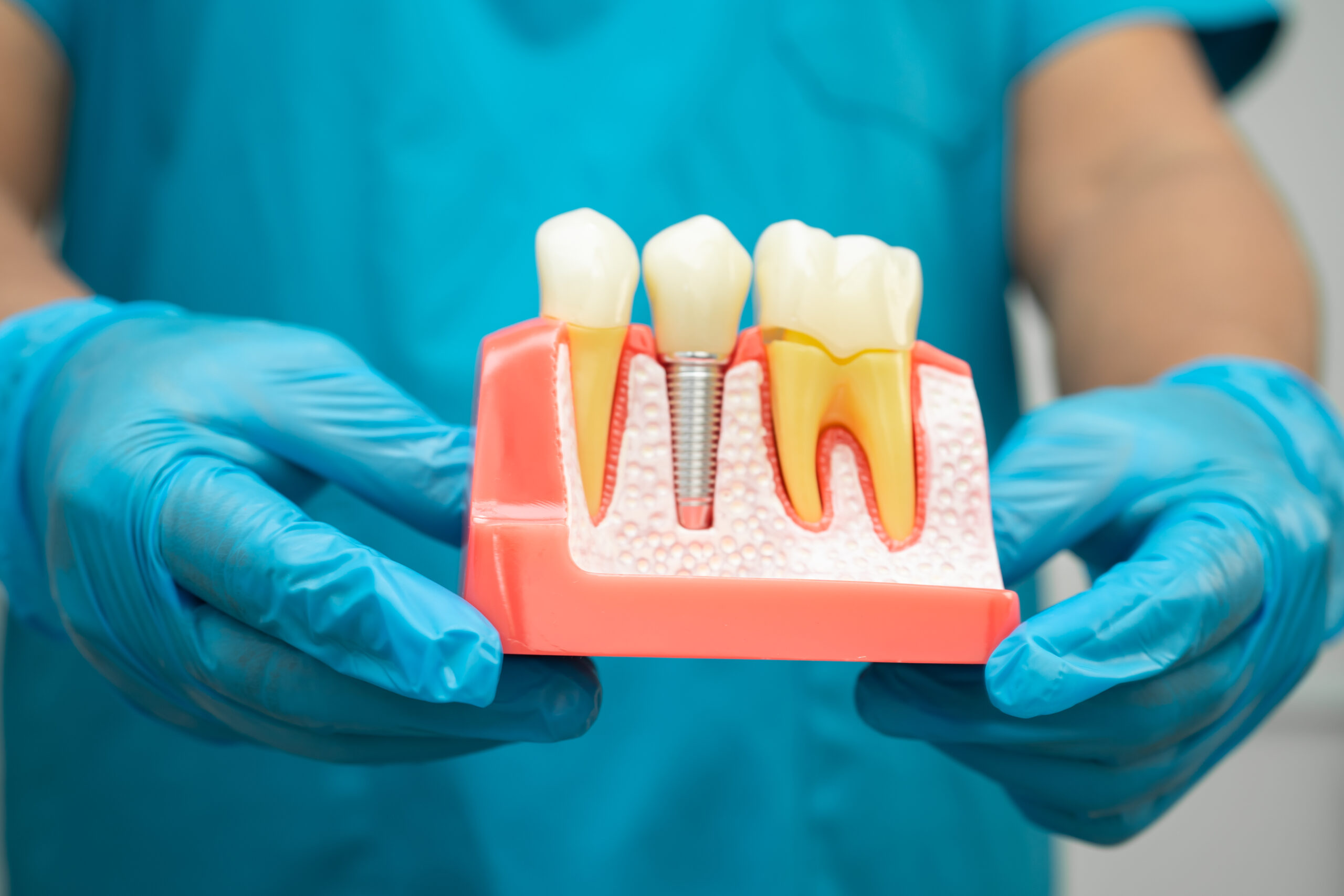
Tooth loss happens more often than most people realize. By age 50, the average American population loses around 12 teeth, including their wisdom teeth. Even adults in their mid-thirties to early forties often face the issue of missing teeth. Whether you realize it or not, losing a tooth can have a ripple effect on your oral health. What starts as a single gap can turn into a series of problems, which are only addressed by dental implants.
If you have lost a tooth and have not replaced it, here are some of the risks that can follow.
- Jawbone Loss Over Time
Your jawbone depends on stimulation from your teeth to stay strong. Each time you chew, your teeth help exercise the bone underneath. However, when a tooth is gone, the area around it no longer receives that pressure. Over time, this lack of stimulation causes the bone to shrink and weaken. As the jaw deteriorates, nearby teeth lose their support and may become unstable.
- Gum Disease and Systemic Health Risks
The gap left behind by a lost tooth becomes an open site for bacteria to gather. Without the barrier of a tooth, bacteria can reach the gums more easily. This often increases the risk of gum inflammation. Left unchecked, this can lead to advanced periodontal disease. Moreover, gum infections do not stay isolated. They can raise your chances of serious health conditions such as heart disease, diabetes, and cognitive decline.
- Greater Likelihood of Additional Tooth Loss
Tooth loss rarely stops after one without the intervention of a dentist in Queens. When a gap is left open, the teeth on either side start to shift, loosening the balance in your bite. Research shows that not replacing a lost tooth can raise the risk of losing another by as much as 30 percent. To prevent the situation from becoming more complex, the best decision is to opt for dental implants in Queens.
- Crooked Teeth and Oral Hygiene Problems
Once a tooth is lost, the teeth next to it often begin to move toward the empty space. They can crowd together and twist out of alignment due to shifting. This creates tight spaces that are harder to clean with brushing and flossing. As a result, plaque builds up more easily and increases the chance of gum infections and decay.
- Changes in Your Bite and Jaw Strain
When teeth move out of their natural positions, the way your upper and lower teeth meet may also change. This can lead to bite problems and uneven pressure across your jaw. Some people start grinding their teeth or develop jaw pain. Others experience increased tooth sensitivity, worn enamel, and even frequent headaches.
Why Implants Are the Most Effective Solution?
Implants can effectively replace both the visible part of a tooth and the root underneath. A small post is placed in the jaw where the missing tooth once was, and a crown is attached on top. This restores chewing function and also helps prevent bone loss by keeping the jaw stimulated. With proper care, implants are a long-term solution that looks and feels like a natural tooth.
Need a Dentist to Restore Your Missing Tooth?
Whether you lose a single tooth or multiple teeth, ignoring prompt care and restoration can have several consequences. If you have lost a tooth and are wondering what to do next, a dental consultation can help explore all restoration options. A dentist can assess your oral health, check for any bone loss, and determine if dental implants are right for you. Visit Breezy Point Smiles today and protect the rest of your smile with a prosthetic solution.
About the Author
Dr. Ron Kaminer has been providing outstanding oral healthcare for well over three decades. He earned his dental degree from the State University of New York at Buffalo School of Dental Medicine and regularly seeks continuing education to refine his skills. He offers a wide variety of high-quality services, including fillings, root canal therapy, teeth whitening, cosmetic bonding, and veneers. If you’d like to schedule an appointment, visit his website or call 718-474-6500.