
April 18, 2024
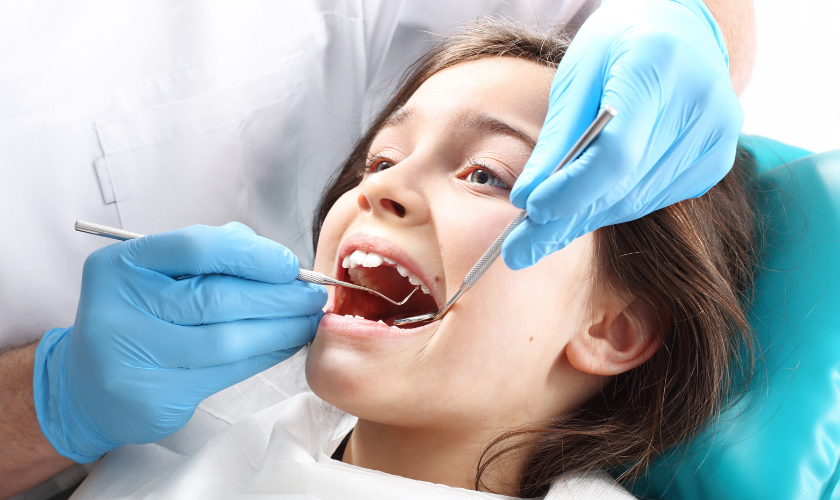
Dental sealants are a preventive dental treatment designed to protect teeth from decay and cavities. In this blog, we will delve into the process of applying dental sealants and address common concerns about pain during the procedure.
Understanding Dental Sealants:
Discover the pain-free process of applying dental sealants for cavity protection. Learn more from our informative blog. Schedule a dental check-up today! Dental sealants are thin, plastic coatings applied to the chewing surfaces of molars and premolars. They act as a barrier, preventing bacteria and food particles from accumulating in the deep grooves and pits of the teeth, where decay often begins.
The Process of Applying Dental Sealants:
- Examination: The process starts with a thorough dental examination by your dentist to assess the condition of your teeth and determine if sealants are suitable for you.
- Cleaning: The teeth receiving sealants are cleaned and dried to remove any plaque or debris.
- Etching: A mild acid solution is applied to the tooth surface to create a rough texture, allowing the sealant to bond securely to the enamel.
- Sealant Application: The liquid sealant is carefully applied to the grooves and pits of the teeth. It flows into the microscopic crevices and then hardens into a durable plastic coating with the help of a curing light.
- Evaluation: Once the sealant is applied, your dentist will check the sealant’s placement and make any necessary adjustments for optimal coverage and protection.
Is the Process Painful?
The process of applying dental sealants is typically painless and non-invasive. Most patients report feeling only minor pressure or sensation during the procedure, similar to having a regular dental cleaning. The use of numbing agents is rarely necessary unless there are specific sensitivities or conditions.
Benefits of Dental Sealants:
- Prevention of Cavities: Sealants provide a protective barrier against decay-causing bacteria, reducing the risk of cavities.
- Longevity: With proper care, dental sealants can last for several years, offering continuous protection.
- Cost-Effective: Compared to treating cavities and undergoing restorative procedures, sealants are a cost-effective preventive measure.
- Comfortable Application: The application of sealants is quick, painless, and does not require anesthesia for most patients.
Dental sealants are a valuable tool in maintaining optimal oral health, especially for children and individuals prone to cavities. The process of applying sealants is straightforward, pain-free, and offers long-lasting protection against tooth decay. Consult with your dentist to determine if dental sealants are right for you or your family members.
About the Author
Dr. Ron Kaminer has been providing outstanding oral healthcare for well over three decades. He earned his dental degree from the State University of New York at Buffalo School of Dental Medicine and regularly seeks continuing education to refine his skills. He offers a wide variety of high-quality services, including fillings, root canal therapy, teeth whitening, cosmetic bonding, and veneers. If you’d like to schedule an appointment, visit his website or call 718-474-6500.