
April 12, 2024
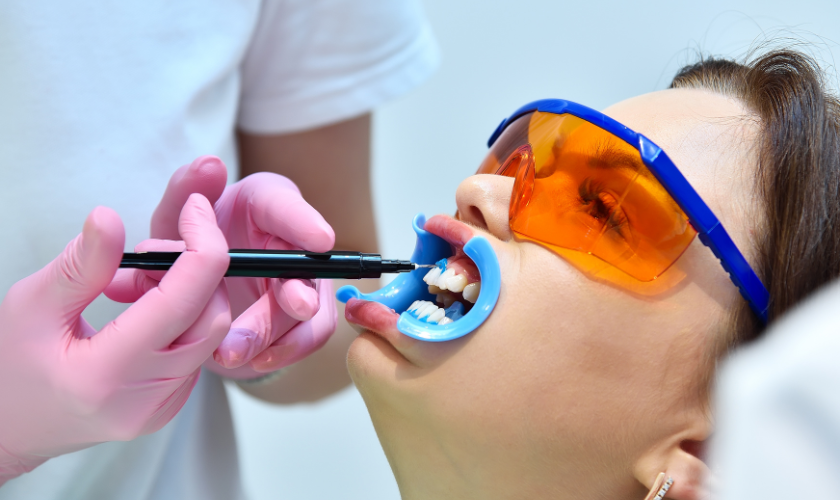
Soft tissue laser dentistry is a modern technique that has revolutionized various dental procedures, offering numerous benefits for both patients and dental professionals. In this blog, we’ll delve into what soft tissue laser dentistry is, how it works, and the advantages it brings to dental treatments.
Understanding Soft Tissue Laser Dentistry:
Soft tissue laser dentistry involves the use of specialized lasers to treat gum tissue, oral mucosa, and other soft tissues in the oral cavity. These lasers emit concentrated light energy that can precisely target and treat specific areas without affecting surrounding tissues.
How Soft Tissue Lasers Work:
Soft tissue lasers work by emitting a wavelength of light that is absorbed by water and hemoglobin in the soft tissues. This absorption causes the tissue to vaporize or coagulate, allowing for precise cutting, sculpting, or sealing of the tissue. The laser also has sterilizing properties, reducing the risk of infection during procedures.
Benefits of Soft Tissue Laser Dentistry:
- Precision: Soft tissue lasers enable precise and accurate tissue removal or modification, minimizing damage to surrounding healthy tissues.
- Minimized Discomfort: The laser’s precision and minimal invasiveness often result in reduced discomfort during and after procedures compared to traditional methods.
- Faster Healing: Soft tissue laser treatments typically result in faster healing times and reduced post-operative swelling and discomfort.
- Reduced Bleeding: The laser’s ability to coagulate blood vessels as it works helps minimize bleeding during procedures.
- Sterilization: Soft tissue lasers have sterilizing effects, reducing the risk of bacterial infections and promoting a clean treatment environment.
- Versatility: Soft tissue lasers can be used for a wide range of dental procedures, including gum contouring, frenectomy, crown lengthening, and treating gum disease.
Common Applications of Soft Tissue Laser Dentistry:
- Gum reshaping and contouring to improve the appearance of a gummy smile or uneven gum line.
- Removal of oral lesions, such as fibromas, papillomas, or oral ulcers.
- Frenectomy procedures to release tight frenulum attachments, improving speech and oral function.
- Treatment of periodontal pockets and gum disease, including laser-assisted periodontal therapy (LAPT).
- Accelerated healing of soft tissue wounds after dental surgeries or extractions.
Conclusion:
Soft tissue laser dentistry offers a multitude of advantages that enhance the patient experience and improve treatment outcomes. Its precision, minimal invasiveness, reduced discomfort, and faster healing make it a valuable tool in modern dental practice. If you’re considering a dental procedure involving soft tissues, discuss the benefits of soft tissue laser dentistry with your dentist to explore the best treatment options for your oral health needs.
About the Author
Dr. Ron Kaminer has been providing outstanding oral healthcare for well over three decades. He earned his dental degree from the State University of New York at Buffalo School of Dental Medicine and regularly seeks continuing education to refine his skills. He offers a wide variety of high-quality services, including fillings, root canal therapy, teeth whitening, cosmetic bonding, and veneers. If you’d like to schedule an appointment, visit his website or call 718-474-6500.