
July 28, 2026
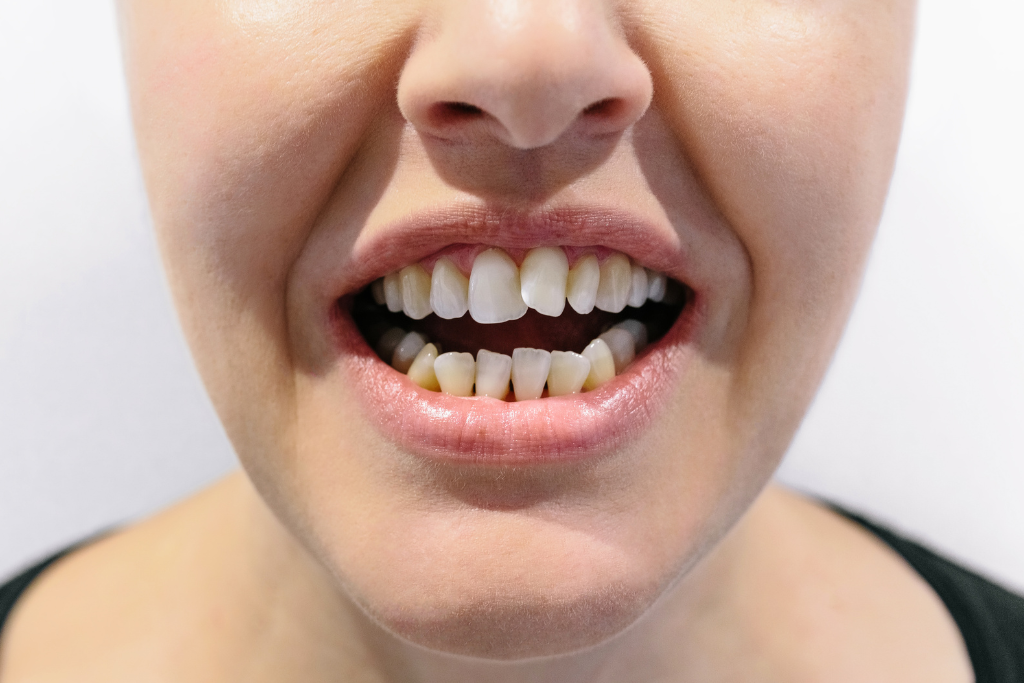
If you have ever wondered why your neighbor’s smile stayed picture-perfect for years after braces while yours started drifting within months, you are not imagining things. Teeth movement is not the same for everyone and there are real biological and lifestyle reasons behind it. As a trusted Queens orthodontist, we get asked this question almost every week at our Breezy Point office, so we wanted to break it down in plain, honest terms.
Teeth are not fixed in place like posts in concrete. They sit inside a bone socket, cushioned by a ligament that allows for tiny amounts of natural movement throughout life. For some patients, that movement happens gradually over decades. For others, it can happen surprisingly fast, sometimes noticeably within just a year or two. Understanding why this happens is the first step to preventing it, and that is exactly what our Expert Orthodontic Services team focuses on for families across Rockaway, Breezy Point and the greater Queens area.
The Biology Behind Faster Shifting
Every mouth has its own rhythm. Bone density, gum health and even the natural shape of your jaw all play a role in how quickly teeth respond to pressure. Patients with thinner jawbone structure or a history of gum disease often see faster movement because the supporting tissue offers less resistance. Age matters too. Younger patients tend to have more pliable bone, which is part of why orthodontic treatment often moves faster and finishes sooner in teens compared to adults.
Genetics also play a surprisingly large part. If your parents dealt with crowding or shifting later in life, there is a good chance you inherited a similar bone and jaw structure. This is one of the reasons our team spends real time reviewing family dental history during consultations, not just scanning your teeth at the moment.
Everyday Habits That Speed Things Up
Beyond biology, daily habits can quietly accelerate movement. A few common culprits we see often in our Queens practice:
- Grinding or clenching at night, which is common among busy professionals commuting into Manhattan or working long shifts
- Mouth breathing, especially in patients with seasonal allergies tied to the salt air and pollen around the Rockaway peninsula
- Chewing on ice, pens, or fingernails, a habit that puts uneven pressure on front teeth
- Skipping retainer wear after braces or Invisalign, which is the single biggest reason we see relapse in local patients
Tongue posture matters more than most people realize. If the tongue rests low or pushes forward when swallowing, it applies constant gentle pressure that can nudge front teeth outward over time. This is something we screen for regularly as an orthodontist in Queens NY, especially in patients who come back years after finishing treatment elsewhere and are confused about why their smile changed again.
Why Local Life in Queens Plays a Role Too
Living near the water has its perks, but the salt air, seasonal humidity swings and higher rates of allergy-related mouth breathing in coastal neighborhoods like Breezy Point and Broad Channel can genuinely affect oral habits. We also see a lot of patients whose work schedules, whether in construction, healthcare, or hospitality, make it easy to skip retainer wear or grind through stress. None of this means shifting is inevitable. It just means treatment plans should be built around real life, not a one-size-fits-all textbook case.
That is exactly why families throughout Howard Beach, Ozone Park and the Rockaways choose a Queens orthodontist who actually understands the neighborhood rhythm, school schedules, commute patterns and even which local pharmacies stock retainer cleaning tablets. Small details like these make a real difference in long-term results.
What Can Be Done About It
The good news is that faster shifting is very manageable once it is identified early. Regular retainer checks, a nightguard for grinding, or a simple adjustment in how a retainer is worn can stop unwanted movement before it becomes a bigger problem. For patients who never finished retention after previous treatment, a short course of clear aligners can often correct minor relapse quickly and comfortably.
The key is catching it early. Waiting a year or two after you notice a change usually means more correction is needed than if you had come in right away. As your local orthodontist in Queens NY, we would always rather see you for a quick check-up than have you deal with a full re-treatment down the road.
Ready to Protect Your Smile?
Shifting teeth does not have to be a mystery or a source of frustration. With the right guidance from a team that understands both the science and the day-to-day realities of life in Queens, keeping your smile straight for the long haul is absolutely achievable. If you have noticed changes in your bite or simply want peace of mind, our team at Breezy Point Smiles is here to help.
Book your appointment today and let us help you maintain your beautifully aligned teeth for years to come.
About the Author
Dr. Ron Kaminer has been providing outstanding oral healthcare for well over three decades. He earned his dental degree from the State University of New York at Buffalo School of Dental Medicine and regularly seeks continuing education to refine his skills. He offers a wide variety of high-quality services, including fillings, root canal therapy, teeth whitening, cosmetic bonding, and veneers. If you’d like to schedule an appointment, visit his website or call 718-474-6500.