
December 10, 2025
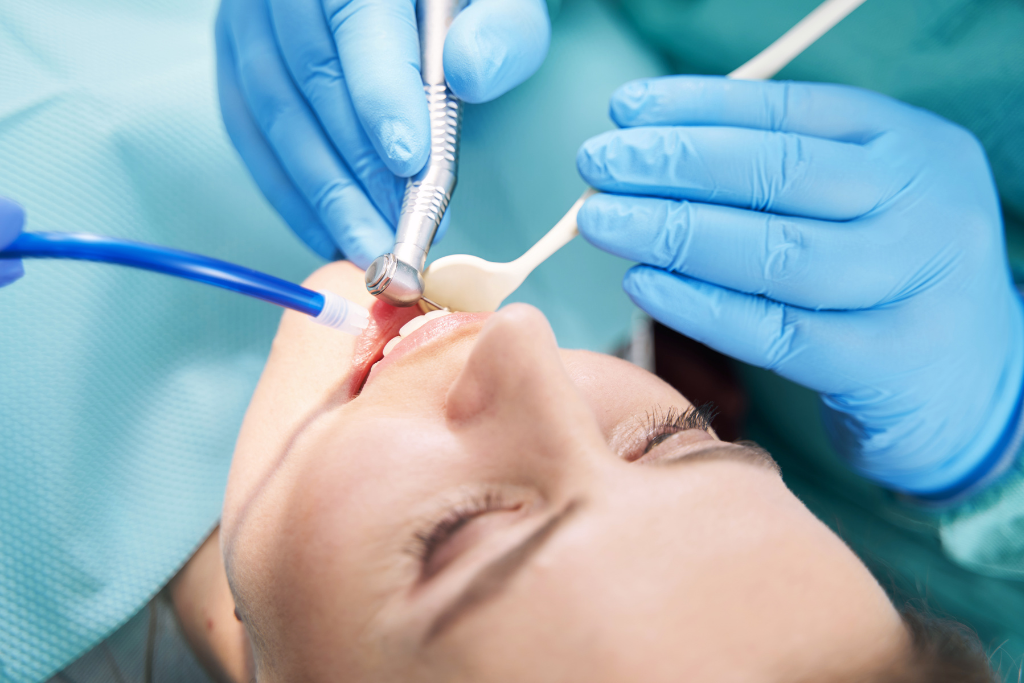
A broken or cracked tooth can happen when you least expect it biting into something hard, suffering an accidental fall, or experiencing sudden trauma. The pain, sensitivity, and worry can feel overwhelming, and in these moments, one question comes to mind: Can an emergency dentist fix a broken or cracked tooth right away? Understanding what to expect can help you respond quickly and protect your smile from further damage.
How Serious Is a Broken or Cracked Tooth?
A cracked or broken tooth is more than a cosmetic issue. Once the inner layers of your tooth are exposed, bacteria can enter and cause infection, sensitivity, and structural weakness. The longer you delay treatment, the greater the risk of needing more invasive procedures like root canals or extractions.
In most cases, an Emergency Dentist in Queens can address the issue the same day, offering immediate relief and a temporary or permanent solution depending on the severity of the damage.
What an Emergency Dentist Can Do Right Away
Emergency dentists are equipped with the tools and technology to quickly assess and treat sudden dental injuries. Here’s how they typically manage broken or cracked teeth:
1. Comprehensive Examination
- X-rays to evaluate the extent of the crack
- Checking for nerve damage
- Assessing gum and bone involvement
2. Immediate Pain Relief
- Numbing the area to stop discomfort
- Prescribing medication if needed
3. Emergency Treatment Options
Depending on the severity of the problem, an emergency dentist can provide immediate care for situations such as:
- Toothaches
- Chipped Tooth
- Cracked Tooth
- Loose Tooth
- Broken Denture
- Lost Filling or Crown
- Gums, Lips or Tongue Injury
- Tooth extraction — Only when the tooth cannot be saved
Their goal is to stop pain, prevent infection, and restore function as quickly as possible.
Signs You Need Immediate Attention
If you notice any of the following, you should see an emergency dentist the same day:
- Sharp pain when biting
- Sensitivity to hot or cold
- Visible chip, fracture, or missing portion
- Swelling of gums or face
- Bleeding around the tooth
- Pressure that feels “off” when chewing
Taking action quickly can make the difference between saving or losing a tooth.
How to Protect Your Tooth Before Your Appointment
While waiting to see the dentist, here are simple steps to reduce discomfort and prevent further damage:
- Avoid chewing on the injured side
- Rinse gently with warm salt water
- Use over-the-counter pain relievers
- Apply a cold compress to reduce swelling
- Save any broken pieces of the tooth in milk or saline
These small precautions can significantly improve your outcome once you reach the dental office.
Get Fast Relief From a Trusted Emergency Dentist
A broken or cracked tooth can be alarming, but fast, expert care can restore your smile and prevent long-term complications. With the right treatment, most damaged teeth can be repaired the same day by an Emergency Dentist in Queens, ensuring you get immediate relief and a customized solution for your dental emergency.
At Breezy Point Smiles, we’re committed to providing urgent, compassionate, and advanced dental care when you need it most. If you’re dealing with a broken or cracked tooth, don’t wait to request an appointment today and let our skilled team protect your smile with prompt and professional treatment.
FAQs
Can an emergency dentist fix a broken or cracked tooth on the same day?
Yes. Most emergency dentists can provide same-day treatments such as bonding, temporary crowns, and pain relief to stabilize a broken or cracked tooth immediately.
What qualifies as a dental emergency for a cracked or broken tooth?
Severe pain, visible fractures, bleeding, swelling, and sensitivity typically indicate a dental emergency requiring immediate attention.
What should I do if my tooth cracks or breaks suddenly?
Rinse with warm water, avoid chewing on the injured side, apply a cold compress, and schedule an emergency dental appointment right away. If possible, save any broken pieces.
Can an emergency dentist treat toothaches and sensitivity right away?
Yes. Emergency dentists diagnose the cause of toothaches and provide immediate relief through medication, temporary restorations, or necessary procedures.
What emergencies can an emergency dentist treat besides broken teeth?
They can handle chipped teeth, cracked teeth, loose teeth, broken dentures, lost fillings or crowns, and injuries to gums, lips, or the tongue.
Is tooth extraction required for every broken tooth?
No. Tooth extraction is only recommended when the tooth cannot be saved with treatments like bonding, crowns, or other restorations.
How does temporary dental treatment help during an emergency?
Temporary crowns or fillings protect the damaged tooth, reduce pain, and prevent further injury until a permanent restoration is created.
What happens if I delay treatment for a cracked or broken tooth?
Delaying care can lead to infection, increased pain, nerve damage, and the need for more extensive procedures such as root canals or extraction.
Can an emergency dentist help with a loose tooth in adults?
Yes. A loose adult tooth is a dental emergency. An emergency dentist can stabilize it, treat underlying issues, and prevent tooth loss.
About the Author
Dr. Ron Kaminer has been providing outstanding oral healthcare for well over three decades. He earned his dental degree from the State University of New York at Buffalo School of Dental Medicine and regularly seeks continuing education to refine his skills. He offers a wide variety of high-quality services, including fillings, root canal therapy, teeth whitening, cosmetic bonding, and veneers. If you’d like to schedule an appointment, visit his website or call 718-474-6500.