
September 4, 2024
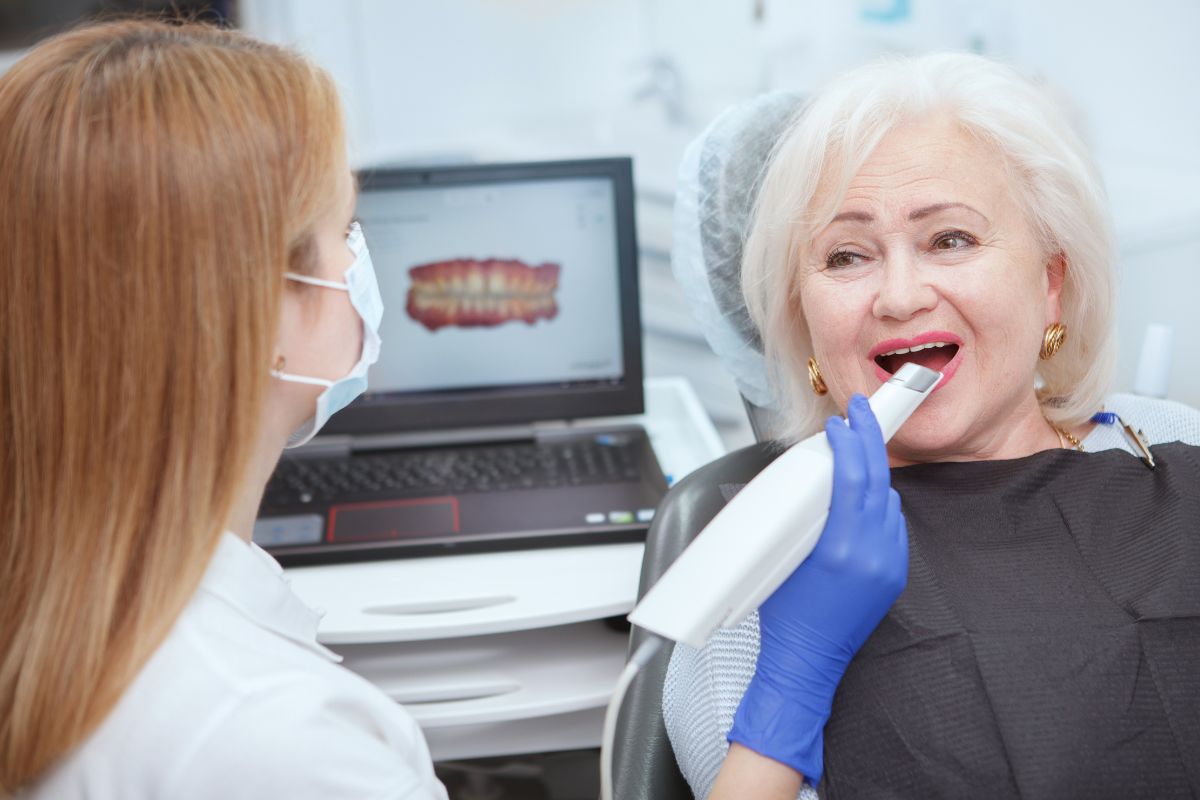
As we age, maintaining good oral health becomes more crucial than ever. Proper dental care not only helps you keep your smile intact but also prevents serious health conditions such as gum disease, tooth decay, and even heart problems. For seniors, taking care of your teeth can significantly enhance your quality of life, allowing you to enjoy your favorite foods, speak confidently, and avoid unnecessary pain or discomfort.
In this guide, we’ll provide you with essential dental care tips to keep your teeth and gums healthy as you age.
Common Dental Issues Seniors Face
Aging brings about certain changes in oral health that require special attention. Some common dental problems seniors often face include:
1. Dry Mouth
Many seniors experience dry mouth due to medications or decreased saliva production. This can lead to an increased risk of cavities and gum disease since saliva helps wash away food particles and bacteria.
2. Tooth Decay
Cavities can occur more frequently in older adults, especially around the roots of teeth or under existing dental work like crowns or fillings.
3. Gum Disease
Gum disease (periodontal disease) is more prevalent among seniors. If left untreated, it can lead to tooth loss and other health complications.
4. Tooth Loss
According to the CDC, nearly 1 in 5 adults aged 65 and older have lost all of their teeth. Tooth loss can affect your ability to eat, and speak, and even impact your self-confidence.
Tips for Maintaining Healthy Teeth as You Age
While aging naturally brings challenges to oral health, adopting a few key habits can help keep your smile healthy and strong for years to come.
1. Brush and Floss Regularly
It’s important to continue brushing your teeth twice a day with fluoride toothpaste. Use a soft-bristle toothbrush to avoid irritating sensitive gums. Flossing daily is equally essential to remove food particles and plaque buildup between your teeth.
- Pro Tip: If traditional flossing is difficult, consider using a water flosser or interdental brushes for easier cleaning between your teeth.
2. Stay Hydrated to Combat Dry Mouth
As saliva production tends to decrease with age, staying hydrated is essential. Drinking water throughout the day helps to keep your mouth moist and reduces the risk of cavities. Avoid beverages like coffee, alcohol, or sodas, which can contribute to dry mouth.
- Did You Know? Certain sugar-free chewing gums and lozenges can help stimulate saliva flow, providing relief from dry mouth symptoms.
3. Keep Dentures and Dental Appliances Clean
If you wear dentures or other dental appliances, keeping them clean is critical. Remove and clean your dentures daily to prevent bacteria buildup and avoid infections such as oral thrush. Always take your dentures out at night to give your gums a rest.
- Pro Tip: Rinse your dentures after eating, and brush them daily with a denture brush and cleaner designed specifically for dentures.
4. Visit Your Dentist Regularly
Routine dental check-ups are important at any age, but they’re particularly crucial for seniors. Your dentist can monitor your oral health, clean your teeth professionally, and detect issues like gum disease or oral cancer early. Even if you have dentures or implants, regular visits ensure your dental appliances are functioning correctly.
- Fact: The American Dental Association (ADA) recommends visiting your dentist at least twice a year for routine exams and cleanings.
5. Maintain a Balanced Diet
Your diet plays a big role in your oral health. A nutrient-rich diet not only supports your teeth and gums but also your overall health. Focus on incorporating calcium-rich foods like milk, cheese, and leafy greens, which help strengthen teeth. Vitamin D is also vital for calcium absorption, so make sure to get plenty of sunshine or take supplements if necessary.
- Avoid: Sugary snacks and acidic foods that can erode tooth enamel over time. Opt for fresh fruits, vegetables, and whole grains to promote a healthy mouth.
The Impact of Oral Health on Overall Health
It’s important to recognize that oral health is closely linked to your overall well-being. Poor oral health in seniors has been associated with various health issues, including:
1. Heart Disease
Several studies have shown that gum disease may increase the risk of heart disease. The bacteria that cause gum inflammation can enter the bloodstream and contribute to the development of heart problems.
2. Diabetes
Diabetes can lead to a higher risk of gum disease, and gum disease, in turn, can make it harder to control blood sugar levels. Seniors with diabetes should be especially vigilant about their oral health.
3. Pneumonia
For seniors, poor oral hygiene can result in pneumonia. Bacteria from the mouth can be inhaled into the lungs, especially in those with weakened immune systems.
4. Oral Cancer
Oral cancer risk increases with age, especially for those who have used tobacco or alcohol. Regular dental check-ups can help in early detection, which significantly improves treatment outcomes.
Don’t Forget About Dental Appliances and Implants
1. Caring for Dental Implants
If you have dental implants, treat them like your natural teeth by brushing and flossing regularly. Dental implants can last a lifetime if cared for properly, but neglecting them can lead to gum disease or implant failure.
2. Dental Bridges and Crowns
If you have crowns or bridges, cleaning them properly is essential. Use a specialized floss threader to clean around the bridges, and be mindful of any wear or discomfort, as this can signal the need for adjustment.
Final Thoughts: Prioritize Your Smile in Your Senior Years
Aging doesn’t mean you have to compromise on a healthy, beautiful smile. Following these dental care tips, you can preserve your teeth, gums, and overall health well into your golden years. Regular dental visits, good oral hygiene habits, and a balanced diet are key to enjoying a lifetime of smiles.
If you’re a senior looking to improve or maintain your dental health, don’t hesitate to schedule an appointment with a dentist in Queens who understands your unique needs. Together, we can help you keep your smile bright for years.
About the Author
Dr. Ron Kaminer has been providing outstanding oral healthcare for well over three decades. He earned his dental degree from the State University of New York at Buffalo School of Dental Medicine and regularly seeks continuing education to refine his skills. He offers a wide variety of high-quality services, including fillings, root canal therapy, teeth whitening, cosmetic bonding, and veneers. If you’d like to schedule an appointment, visit his website or call 718-474-6500.