
May 26, 2026
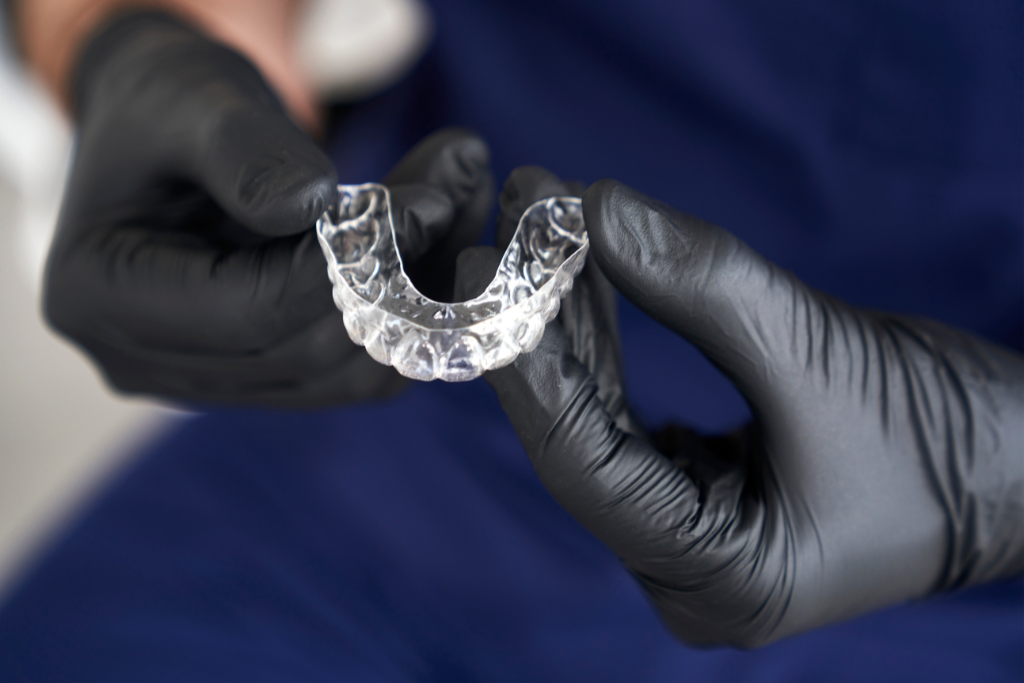
You’ve been thinking about it for a while, maybe every time you catch yourself in a photo or look in the mirror before a big meeting. Straighter teeth. A more confident smile. And then the thought follows: Am I too old for this?
You are not. In fact, adults now make up over 30% of all orthodontic patients in the United States, and Invisalign has become the go-to choice for working professionals, parents, and retirees alike. But before you start, there are a few things most providers won’t tell you upfront and they matter.
It’s Not Just About Looks
Yes, a straighter smile is more attractive. But here’s what often gets overlooked: misaligned teeth create real health problems that an orthodontist can help correct. Crowded teeth are harder to clean, which increases your risk of cavities and gum disease. An uneven bite can cause jaw pain, headaches, and even worn-down enamel over time.
When you sit down with an experienced Queens orthodontist, the conversation goes far beyond cosmetics. It’s about long-term oral health, proper bite function, and quality of life. Getting that alignment right in your 30s, 40s, or even 50s can save you from costly dental work down the road.
The Compliance Rule Nobody Warns You About
Here’s the honest part: Invisalign only works if you wear it.
The trays need to be in your mouth for 20 to 22 hours every day. That means you take them out to eat, drink anything other than plain water, and brush and then they go right back in. Miss too many hours consistently, and your treatment timeline stretches. Miss them a lot, and your teeth simply won’t move the way they’re supposed to.
For many adults, the first few weeks feel like a serious adjustment. You’ll plan your meals differently. You might feel self-conscious removing your trays at a work lunch. Some days, you’ll want to skip putting them back in.
Don’t.
Build the habit early, and by week three, it becomes automatic.
Mild Discomfort Is Normal – Severe Pain Is Not
When you switch to a new set of trays (typically every one to two weeks), you’ll likely feel pressure and mild soreness for a day or two. This is completely normal; it means the trays are working and your teeth are shifting.
What’s not normal: sharp pain, significant jaw discomfort, or trays that feel wildly off. If something feels seriously wrong, call your provider. A skilled orthodontist in Queens NY will take the time to assess your fit and make adjustments rather than brush off your concerns.
Attachments Are Part of the Process
Many adults are surprised to learn that Invisalign often involves small tooth-colored “attachments” , tiny bumps bonded to certain teeth that help the trays grip and move teeth more precisely. They’re barely visible, but they’re there.
Don’t panic when your orthodontist mentions them. They’re not a downgrade. They’re part of what makes modern Invisalign far more effective than it was ten years ago, especially for complex tooth movements that used to require traditional braces.
Life in Queens Makes Invisalign Especially Practical
If you’re living and working in Queens whether you’re commuting from Forest Hills, raising a family in Bayside, grabbing lunch in Astoria, or heading into the city from Howard Beach you already know your schedule doesn’t slow down for anyone.
That’s one reason adults in this borough love Invisalign. No wires to pop during a bagel run in Jackson Heights. No brackets to irritate your cheeks on a long Q train ride. No last-minute emergency calls because something broke.
Your trays are removable, discreet, and durable enough to handle a real New York lifestyle. Appointments are also typically shorter and less frequent than with traditional braces something every busy Queens resident appreciates.
What You Should Ask Before You Start
Before committing to any Invisalign provider, ask these questions:
- How many Invisalign cases have you completed?
- Will a licensed orthodontist oversee my treatment, or will it be handled by general dental staff?
- What happens if my teeth don’t track correctly mid-treatment?
- Are refinements included if I need additional trays?
- What does the full cost include?
These aren’t uncomfortable questions, they’re necessary ones. A great orthodontist in Queens NY will welcome them.
Ready to Take the First Step?
If you’ve been on the fence, here’s your honest answer: the sooner you start, the sooner you finish. Adult Invisalign is practical, effective, and far more manageable than most people expect, especially with the right team supporting you.
At Breezy Point Smiles, our team is committed to helping Queens adults get the smile they’ve been putting off. As a trusted orthodontist in Queens NY, we offer thorough consultations, personalized treatment plans, and the kind of attentive care that makes the whole process feel manageable.
Book your appointment today at Breezy Point Smiles your confidence and oral health are worth the investment.
Breezy Point Smiles | Serving patients across Queens, NY
FAQs
Am I too old for Invisalign?
Not at all. If your gums and bones are healthy, age is not a barrier. Adults in their 40s, 50s, and beyond complete treatment every day.
How long does treatment take?
Mild cases: 6–12 months. More complex cases: up to 24 months. Your provider will give you a clear estimate after your initial evaluation.
Does Invisalign hurt?
You’ll feel pressure for a day or two after switching trays. It’s manageable with over-the-counter pain relief, not the kind of pain that should worry you.
Will people notice I’m wearing them?
Rarely. The trays are clear and snug. At normal conversational distance, most people won’t see them at all.
What happens when treatment is done?
You’ll wear a retainer at night to hold your results. Skipping this step is the most common reason teeth shift back; don’t skip it.
About the Author
Dr. Ron Kaminer has been providing outstanding oral healthcare for well over three decades. He earned his dental degree from the State University of New York at Buffalo School of Dental Medicine and regularly seeks continuing education to refine his skills. He offers a wide variety of high-quality services, including fillings, root canal therapy, teeth whitening, cosmetic bonding, and veneers. If you’d like to schedule an appointment, visit his website or call 718-474-6500.