
CHILDREN’S DENTISTRY – Queens, NY
Put a Smile on Your Child’s Face for Life
Your child should start seeing a dentist regularly no later than six months after their first tooth erupts. Keeping a smile bright and healthy is a lifetime commitment, and you always want to start as early as possible! Instead of visiting a separate pediatric dentist, you can bring your little ones to Dr. Kaminer for their biannual checkups and cleanings as well as other treatments they might need. Schedule a children’s dentistry consultation today by calling our office.
Why Choose Breezy Point Smiles for Children’s Dentistry?

Over 35 Years of Brilliant Smiles
Dentist Who Can Treat Special Needs Children
Unprecedented Dental Technology for the Area

Children’s Checkups & Cleanings
Our team is always very gentle and patient with children, and they’ll take whatever steps are necessary to help your little ones relax during their treatment. Once we’ve made sure that they’re comfortable, we’ll take a thorough look at their teeth and gums. We can look for signs of cavities as well as any potential issues with your child’s dental development. Any plaque or tartar that’s found will be removed before it has a chance to cause any lasting harm to your child’s grin.
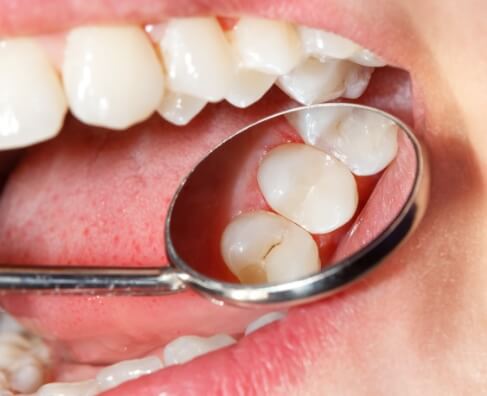
Dental Sealants
Children aren’t oral hygiene experts from the start. They need time to learn the best brushing habits and develop the motor skills to reach every inch of their teeth with a toothbrush. That’s why dental sealants are considered so important for younger patients. They are used to cover the crevices in the molars where bacteria and bits of food often get caught. When applied to the right teeth at a young age, they can lower the risk of decay for up to 10 years.

Fluoride Treatment
Fluoride helps ensure that your child’s teeth are as strong as possible so that they can resist cavities. It’s usually in tap water and toothpaste, but we can offer another option as well. We can apply concentrated fluoride to your child’s teeth as a preventive measure during their regular appointments depending on their needs. The treatment is completely safe, as only a small amount is used, and it quickly hardens in place once applied.
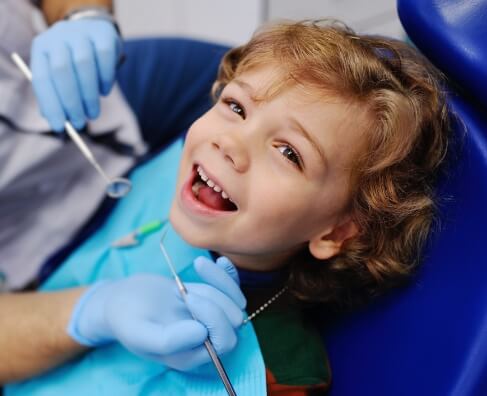
Pulp Therapy
If your child’s tooth is injured, or if they start experiencing constant or unexplained pain, we’ll need to check for signs of a pulp infection. The only way to treat infected pulp is to remove it before it has a chance to spread any further and cause irreparable damage. We don’t always need to remove the entire pulp; if some of the tissue is still healthy, we’ll only remove the infected parts so that the rest is preserved.
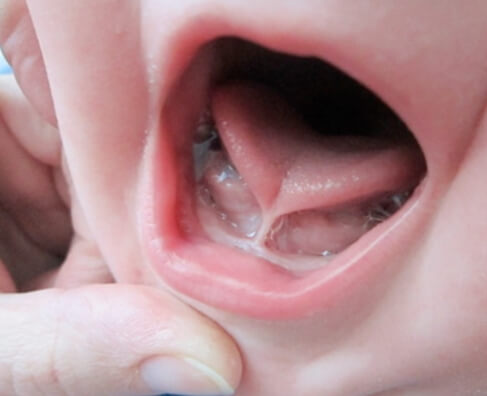
Lip & Tongue Tie Treatment
Tongue-tie and lip-tie are conditions that are present at birth. They can restrict the range of motion of your child’s tongue and lips as a result of an unusually short or think frenum (band of connective tissue). These conditions can interfere with breastfeeding and may cause problems with language development or eating. To free your child from lip or tongue-tie, we can perform a quick procedure known as a frenectomy that gets rid of the restrictive tissue.
Frequently Asked Questions
Q. At what age should my child first visit a dentist?
A. Most children should have their first dental visit by six months after their first tooth erupts or by their first birthday. Early checkups help establish good habits and monitor development.
Q. Do you offer children’s dental checkups and cleanings?
A. Yes! We provide gentle, child-friendly dental exams and cleanings designed to make young patients comfortable while removing plaque and checking for cavities or growth concerns.
Q. What are sealants, and why are they important for kids?
A. Dental sealants are protective coatings applied to the grooves of molars to help defend against tooth decay — especially helpful for children who are still mastering brushing skills.
Q. How does fluoride treatment benefit my child’s dental health?
A. Fluoride helps strengthen tooth enamel, making it more resistant to decay. Our office offers safe, concentrated fluoride treatments as part of a preventive dental plan.
Q. What is pulp therapy and when might my child need it?
A. Pulp therapy treats infected or irritated dental pulp inside a tooth. It’s similar to a “baby-tooth root canal” and can save the tooth while relieving pain and infection.
Q. Do you treat lip and tongue-tie in young children?
A. Yes — we offer lip and tongue tie treatment (frenectomy) if restricted tissue is interfering with feeding, speech development, or oral function.
Q. Can children with special needs be treated at your practice?
A. Absolutely. Our team is experienced in providing compassionate, individualized care for children with special needs, ensuring a comfortable visit for every child.
Q. How often should my child visit the dentist?
A. Routine children’s dental checkups every six months are recommended to maintain oral health, monitor development, and prevent issues before they start.

More to Explore