
PREVENTIVE DENTISTRY – Queens, NY
Keeping Your Smile Safe for Life
Tooth loss may be associated with old age, but it’s also completely preventable. To keep your smile whole and healthy, you need to have a dentist examine your teeth on a regular basis and treat small problems before any permanent harm is done. Dr. Kaminer will check for cavities, gum disease, and similar problems at your biannual checkups, and he’ll take the time to educate you about the steps you can take to protect your smile long term. Call us today if it’s been more than six months since your last checkup.
Why Choose Breezy Point Smiles for Preventive Dentistry?

State of the Art Dental Technology
Knowledgeable, Experienced Dentist
Gentle and Friendly Dental Team
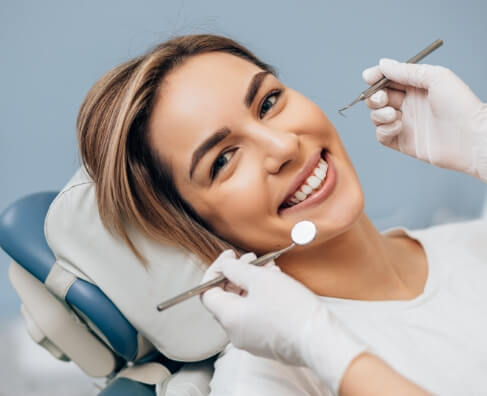
Dental Checkups & Cleanings
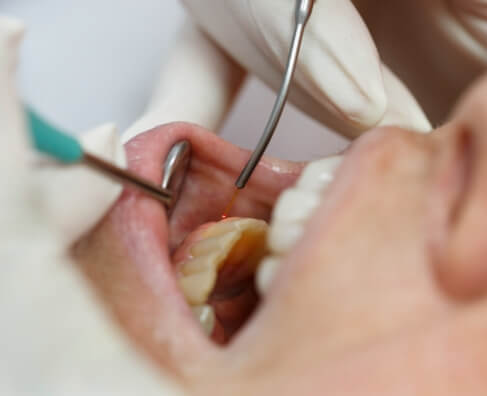
During a regular dental checkup, we’ll ask if you’ve noticed anything unusual in your mouth lately, and we might take X-rays of the teeth and gums. By carefully examining your teeth and the soft tissues in your mouth, we can find the telltale signs of tooth decay and other problems that require professional intervention. Also, if you haven’t been able to remove plaque and tartar in specific areas of the mouth, we can clean these spots for you.
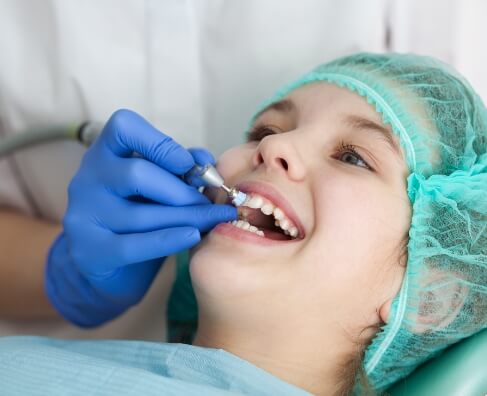
Fluoride Treatment
The fluoride in your drinking water and in certain foods can help strengthen your teeth, improving its defenses against decay-causing cavities. If you’re not getting enough fluoride, or an examination determines that you have a higher-than-average risk for tooth decay, a fluoride treatment can go a long way. A small amount of fluoride is placed on the teeth so that the enamel can absorb it, thus giving your smile better protection over the coming months.
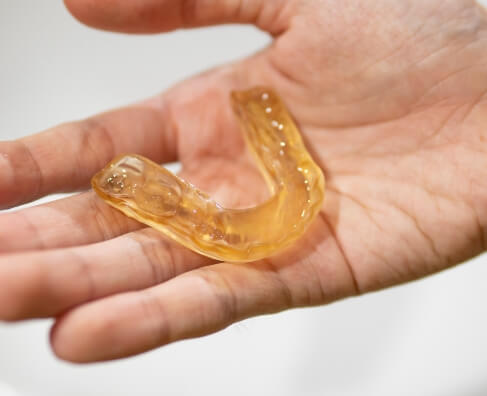
Custom Nightguards for Grinding
Teeth can wear down gradually over time, but if you grind or clench your teeth at night, this process is accelerated. Fortunately, you can avoid such damage by wearing a mouthguard to bed every night. A mouthguard simply acts as a barrier that keeps the upper and lower teeth separated; that way, even if your jaw continues to make the same grinding and clenching motions, the teeth won’t make direct contact with each other. Our mouthguards can be customized for each patient for maximum comfort.
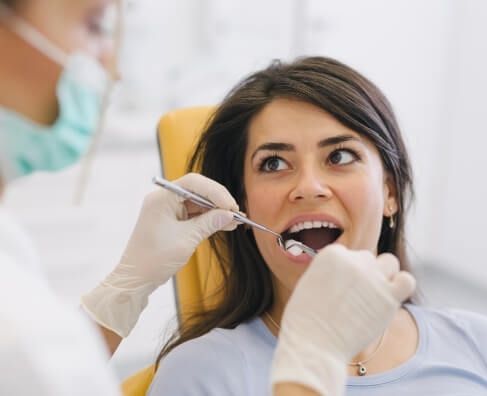
Oral Cancer
Screening
Oral cancer is easier to treat before it has had a chance to spread, but unfortunately many people overlook the initial symptoms. Fortunately, we can catch them during a routine examination. We can check for suspicious growths and sores that might have formed as a result of oral cancer, and if necessary, we can help you take the first steps towards getting a proper biopsy performed so that you can get the treatment you need in a timely fashion.
Frequently Asked Questions
Q. What is preventive dentistry and why is it important?
A. Preventive dentistry focuses on routine care and early detection of dental problems — like cavities, gum disease, and oral cancer — before they become bigger issues. Regular checkups, cleanings, fluoride treatments, and screenings help protect your smile long-term and keep dental costs down by avoiding more extensive treatments later.
Q. How often should I schedule a preventive dental visit?
A. Most patients benefit from a dental exam and professional cleaning every six months. These biannual visits allow our team to catch small problems early and ensure your oral hygiene is on track. Your dentist may recommend more frequent visits if you have a higher risk for decay or gum disease.
Q. What happens during a preventive dental checkup?
A. During your visit, our team will:
- Examine teeth and gums for signs of decay or gum disease
- Take X-rays if needed
- Remove plaque and tartar buildup
- Assess risk for future problems
- Discuss diet, oral hygiene, and home care tips
This comprehensive approach helps protect your smile and maintain optimal oral health.
Q. Do preventive dental services include fluoride treatment?
A. Yes. Fluoride treatments strengthen enamel and help prevent cavities, especially for patients at higher risk of decay. A small amount of concentrated fluoride is applied to the teeth to boost protection between visits.
Q. Are oral cancer screenings part of preventive care?
A. Absolutely — oral cancer screenings are included during routine preventive visits. Early detection greatly increases the chances of successful treatment, and our dentists are trained to identify suspicious areas during exams.
Q. What should I do if I grind my teeth at night?
A. Teeth grinding (bruxism) can wear down enamel over time. We provide custom nightguards that fit comfortably over your teeth and protect them from damage during sleep — an important preventive step for many patients.
Q. How can I improve my home oral hygiene between visits?
A. Good at-home care supports your professional preventive treatment. We recommend:
- Brushing twice daily with fluoride toothpaste
- Flossing daily
- Using mouthwash if recommended
- Eating a balanced diet low in sugary snacks
Your dental hygienist will also customize tips to fit your needs.
Q. Will my dental insurance cover preventive dentistry visits?
A. Most dental insurance plans cover preventive services like twice-yearly exams, cleanings, and fluoride treatments — often at no out-of-pocket cost. Our team works with all major insurance providers to maximize your benefits. Call our office to verify your coverage before your visit.
More to Explore