
October 16, 2026
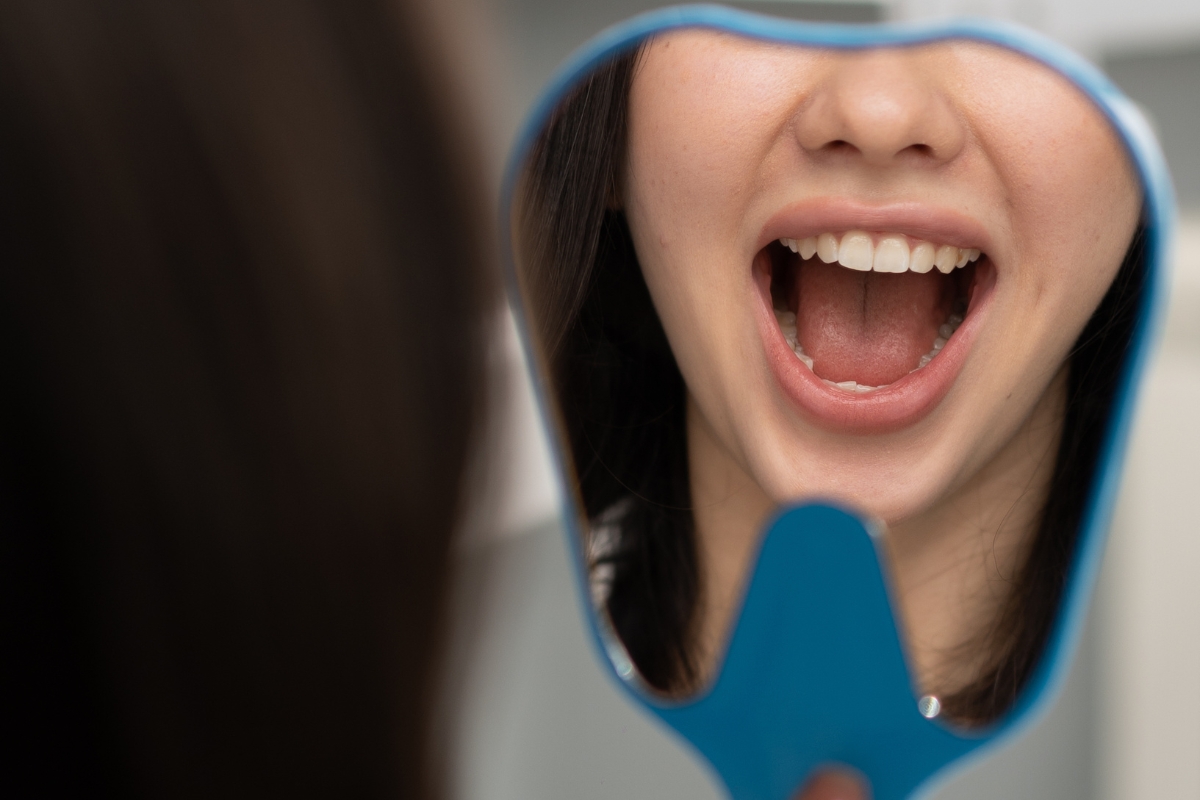
You smile at the mirror and something’s off. One tooth looks shorter. Another sits a bit crooked. Maybe the edges are jagged, and you can’t quite say when that happened.
Sound familiar? You’re not alone. Uneven teeth are one of the most common reasons people look into cosmetic dentistry. And here’s the good part: you’ve got options. Plenty of them. A Queens Cosmetic Dentist can usually fix this faster than you’d expect. But first, let’s figure out why it happens.
What Do “Uneven Teeth” Actually Mean?
It’s a pretty broad term. It can mean teeth that are different lengths, chipped edges, crooked or twisted teeth, small gaps, or teeth that just look different in size and shape. Sometimes it’s one tooth, sometimes the whole smile. The cause decides which fix makes sense. So let’s break it down.
The Most Common Causes of Uneven Teeth
1. Genetics
Your genes play a big role in your teeth’s size, shape, and alignment. Uneven teeth are common and may run in families, but the severity varies from person to person. If left unaddressed, significant crowding or misalignment can make cleaning harder and increase your risk of cavities.
2. Teeth Grinding (Bruxism)
If you grind or clench your teeth, especially while sleeping, you may gradually wear down certain teeth more than others. It’s a common habit that often goes unnoticed until you notice flattened edges, chips, or jaw discomfort. Over time, severe grinding can weaken teeth and lead to sensitivity or fractures.
3. Chips and Injuries
A chipped or damaged tooth can quickly make your teeth look uneven, whether it happens during sports, a fall, or biting something hard. Minor chips are common, but more serious damage can expose sensitive inner layers and cause pain. Without proper care, a damaged tooth may become more vulnerable to further breakage.
4. Normal Wear and Tear
Your teeth handle daily chewing and biting for years, so some wear is natural. However, uneven wear can make certain teeth look shorter or create rough, irregular edges. When wear becomes excessive, it may affect your bite, increase sensitivity, and leave teeth more vulnerable to damage.
5. Childhood Habits
Habits like prolonged thumb-sucking, extended pacifier use, and persistent mouth breathing can influence how your teeth and jaws develop. These issues are relatively common during childhood, but their effects can sometimes continue into adulthood. Depending on the severity, you may experience protruding teeth, gaps, or bite problems that affect chewing and oral hygiene.
6. Early Tooth Loss or Delayed Growth
When a baby tooth falls out too early, nearby teeth may shift into the empty space before the permanent tooth arrives. Delayed eruption can also affect how teeth line up, although the impact varies from person to person. These changes may cause crowding, spacing problems, or bite misalignment that becomes harder to manage over time.
7. Gum Problems
Sometimes, uneven teeth aren’t the real issue; your gum line is. Gum recession or gum disease can expose more of a tooth, making it appear longer than neighboring teeth. Mild changes may be mostly cosmetic, but advanced gum problems can damage the supporting tissues, contribute to tooth looseness, and eventually lead to tooth loss. A Queens Cosmetic Dentist can help determine whether the concern involves tooth shape, gum health, or both.
Cosmetic Solutions That Actually Work
Good news. You don’t have to just live with it. Which fix is right depends on what’s causing the problem and how big it is. Here are the most common options a Queens Cosmetic Dentist will talk you through.
- Dental bonding: A tooth-colored resin gets applied to the tooth, shaped by hand, and hardened with a special light. It’s great for small chips and slight size differences. It’s usually done in one visit, often without needing anesthesia.
- Porcelain veneers: These are thin, custom-made shells that bond to the front of your teeth. They can fix uneven length, chips, gaps, and shape all at once, which is why they’re popular for full smile makeovers. They take a couple of visits, and they last many years with good care.
- Enamel contouring (reshaping): Your dentist gently smooths and reshapes tiny bits of enamel. It’s quick and perfect for minor unevenness, like a pointy edge.
- Dental crowns: When a tooth is badly worn, cracked, or weak, a crown covers the whole thing. It restores shape and strength, and it matches your other teeth.
- Clear aligners or braces: If crooked teeth are the main issue, straightening may be the best long-term fix. Clear aligners are popular with adults because they’re hard to notice.
- Gum contouring: For a “gummy” smile or an uneven gum line, a dentist can reshape the gum tissue. It can make your teeth look longer and more balanced.
How Do You Choose the Right Fix?
Honestly? It’s tough to decide on your own. A tooth that seems to need a veneer might only need a little bonding. Another might actually need a crown to stay healthy. That’s why a visit to a cosmetic dentist in Queens is so helpful. Here’s what you can expect:
- A close look at your teeth, gums, and bite
- A chat about what bugs you most
- Photos, X-rays, or digital images
- A few treatment options, with pros, cons, and costs
- A clear plan and timeline
No pressure. Just information, so you can decide what feels right.
Why Fixing Uneven Teeth Is About More Than Looks
Sure, a more even smile boosts confidence. That’s a big deal. But uneven teeth can cause real problems too. Worn or chipped teeth are more likely to crack or decay. A bad bite can strain your jaw. And crowded or crooked teeth are harder to clean, which can lead to cavities and gum issues. So yes, cosmetic treatment makes your smile look better. It can also protect your teeth, and a Queens Cosmetic Dentist will check for both.
How to Keep Your Results Looking Great
Once you’ve fixed your smile, you’ll want it to last. A few easy habits help:
- Brush twice a day and floss daily
- Wear a night guard if you grind your teeth
- Skip chewing ice, pens, and hard candy
- Keep up with regular checkups and cleanings
Small stuff, really. Your cosmetic dentist in Queens can also suggest a care routine that fits your treatment.
FAQ: Frequently Asked Questions
Q: Can uneven teeth be fixed without braces?
A: Often, yes. Bonding, veneers, and enamel reshaping can improve shape and length without moving teeth. If crooked teeth are the main problem, though, aligners or braces may work better.
Q: How long do cosmetic fixes for uneven teeth last?
A: It depends on the treatment. Bonding typically lasts several years, while veneers and crowns can last 10 to 15 years or longer with good care.
Q: Is fixing uneven teeth painful?
A: Usually not. Bonding and reshaping often need no anesthesia at all. Veneers and crowns involve numbing, so you shouldn’t feel much during the procedure.
Q: Is Cosmetic dentistry expensive?
A: Costs vary a lot. Bonding and reshaping are the most budget-friendly options, while veneers and crowns cost more. A consultation with a Queens Cosmetic Dentist gives you a clear estimate for your case.
Q: Can I combine different treatments with Cosmetic Dentistry?
A: Absolutely. Many people mix treatments, like whitening with bonding or veneers, to get the best overall result.
Ready for a More Even Smile?
Uneven teeth are common, and they’re fixable. You don’t have to hide your smile or put up with chips and gaps that bug you every time you look in the mirror. At Breezy Point Smiles, Dr. Ron Kaminer and Dr. Jonathan Lewis help patients from Breezy Point, Rockaway Point, Roxbury, and the surrounding Queens community get smiles they feel good about. Book your visit or visit us at our clinic at 204-08 Rockaway Point Blvd, Breezy Point, NY 11697, and keep your smile as beautiful as ever.
About the Author
Dr. Ron Kaminer has been providing outstanding oral healthcare for well over three decades. He earned his dental degree from the State University of New York at Buffalo School of Dental Medicine and regularly seeks continuing education to refine his skills. He offers a wide variety of high-quality services, including fillings, root canal therapy, teeth whitening, cosmetic bonding, and veneers. If you’d like to schedule an appointment, visit his website or call 718-474-6500.