
September 18, 2026
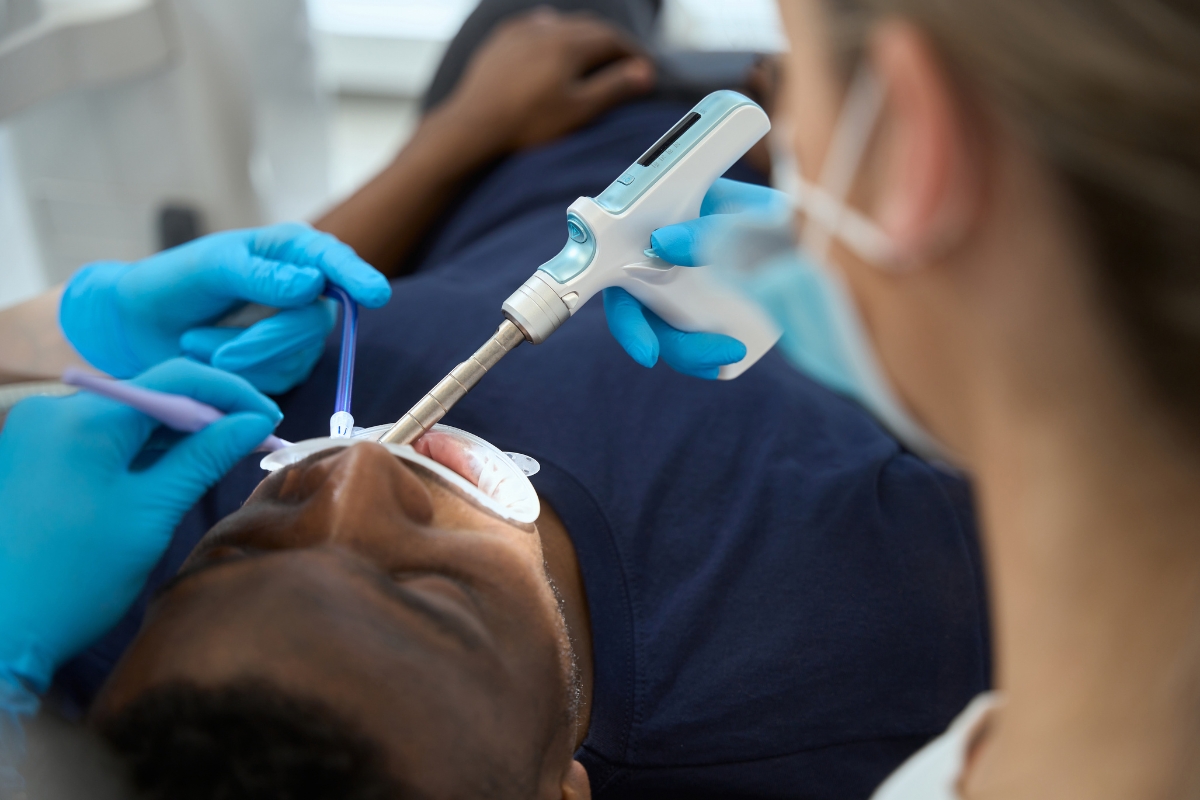
“Nothing hurts, so I’m probably fine.” Sounds like something you’ve told yourself before skipping a dental checkup? You’re definitely not alone. But here’s the thing: a lot of serious dental problems don’t announce themselves with pain. Not at first, anyway.
That’s really the whole point of routine checkups. It’s not just about a cleaning and a polish. A dentist in Queens is trained to catch issues you’d have zero way of noticing on your own, often long before they turn into something painful, expensive, or harder to treat. Let’s talk about how that actually works.
Why “No Pain” Doesn’t Mean “No Problem”
This is probably the biggest misconception people have about dental health. Cavities, gum disease, even early-stage oral cancer- none of these reliably cause pain in their early stages. By the time something actually hurts, it’s often progressed well beyond where a simple fix would’ve worked.
Routine checkups exist specifically to catch things during that quiet, symptom-free window. Twice-a-year visits to a dentist in Queens, NY aren’t just a formality; they’re honestly your best shot at catching problems while they’re still small and manageable.
What Actually Happens During a Routine Checkup
A lot of people assume a checkup is just brushing, flossing, and maybe a quick look around. It’s actually a lot more thorough than that. Here’s a general rundown:
- Visual examination – Your dentist checks each tooth for visible decay, cracks, or wear
- X-rays – Taken periodically to reveal what’s happening below the surface, between teeth, and beneath the gumline
- Gum evaluation – Measuring pocket depth around teeth to check for early signs of gum disease
- Oral cancer screening – A check of your tongue, cheeks, throat, and neck for anything unusual
- Bite and jaw assessment – Looking for signs of teeth grinding, misalignment, or jaw joint issues
- Professional cleaning – Removing plaque and tartar buildup that brushing alone can’t fully handle
Each of these steps is designed to catch something specific, and together, they paint a much fuller picture than what you’d notice just looking in the mirror.
Big Issues That Routine Checkups Actually Catch
1. Cavities Before They Reach the Nerve
X-rays can reveal decay happening between teeth or beneath old fillings, areas you literally cannot see or feel yourself. Catching a cavity at this stage usually means a simple filling. Catching it later, once it’s reached the nerve, usually means a root canal instead.
2. Early-Stage Gum Disease
Gingivitis, the earliest stage of gum disease, often shows minimal symptoms beyond occasional bleeding when you brush. A dentist can measure gum pocket depth and spot inflammation long before it progresses into something more serious, like bone loss.
3. Cracked Teeth You Can’t See
Hairline cracks don’t always hurt, especially in the early stages. But left unnoticed, they can worsen with normal chewing and eventually reach the nerve. A trained eye, sometimes aided by special lighting or imaging, can catch these early.
4. Oral Cancer
This one’s serious, and it’s exactly why oral cancer screenings are part of a standard checkup. Early-stage oral cancer often has no pain and minimal visible symptoms. Catching it early dramatically improves treatment outcomes, which is honestly one of the most important things a routine visit can do.
5. TMJ and Bite Issues
Jaw clicking, popping, or subtle misalignment can develop gradually, and a lot of people don’t even realize it’s happening until real discomfort sets in. Dentists often catch early signs of teeth grinding or bite problems just from wear patterns on your teeth.
6. Bone Loss Around Teeth
X-rays reveal bone levels around your teeth, something completely invisible without imaging. Gradual bone loss, often tied to gum disease, can happen for years without any obvious symptoms, until teeth start loosening.
Why Skipping Checkups Ends Up Costing More
Here’s a pretty blunt truth: avoiding the dentist because you’re worried about cost usually backfires. A small cavity caught early might cost a fraction of what a root canal or crown costs later. Early gum disease treatment is far cheaper, and far less invasive, than treating advanced periodontitis. It really comes down to this: prevention is consistently less expensive than treatment after the fact.
Beyond money, there’s time and discomfort to consider too. A routine checkup takes maybe an hour. Treating a problem that’s been left to grow unchecked can mean multiple visits, more invasive procedures, and honestly, a lot more discomfort than it needed to involve.
How Often Should You Actually Go?
Most people benefit from a checkup every six months, though that can shift depending on individual risk factors. If you’ve got a history of cavities, gum disease, or other ongoing issues, your dentist might recommend more frequent visits. On the flip side, some patients with consistently excellent oral health might stretch things slightly longer, though six months remains the standard recommendation for most people.
Either way, a dentist in Queens office worth its reputation will tailor that schedule based specifically on your history and risk level, not just a blanket rule for everyone.
What If It’s Been a While Since Your Last Visit?
No judgment here, life gets busy, and dental visits are easy to keep pushing off. But if it’s been over a year, or you genuinely can’t remember your last checkup, that’s exactly the situation these visits are built for. Even if nothing feels wrong, there’s a real chance something’s developing quietly that a checkup would catch immediately.
Frequently Asked Questions – FAQ
Q: How often should I really get a dental checkup?
A: Every six months is the general standard, though your dentist may recommend more frequent visits based on your specific oral health history.
Q: Can a checkup really catch something serious if I feel totally fine?
A: Yes, definitely. Many significant issues, including cavities, gum disease, and even oral cancer, often show no symptoms in their earlier, more treatable stages.
Q: Are X-rays necessary at every checkup?
A: Not necessarily every visit, but periodically, since they reveal decay, bone loss, and other issues that aren’t visible during a standard visual exam.
Q: What happens if a checkup reveals a problem?
A: Your dentist will explain the issue, discuss treatment options, and help you understand urgency and cost before moving forward with anything.
Q: Is it too late to start regular checkups if I haven’t been in years?
A: Not at all. It’s a great time to start. A dentist in Queens can assess your current oral health and create a plan moving forward, regardless of how long it’s been.
Don’t Wait for Pain to Tell You Something’s Wrong
By the time a dental issue actually hurts, it’s often already progressed further than it needed to. Routine checkups exist to catch problems while they’re still small, simple, and affordable to treat.
At Breezy Point Smiles, our practitioners provide thorough checkups for patients throughout Breezy Point, Rockaway Point, Roxbury, and the surrounding Queens community, catching issues early and keeping treatment simple. Schedule an appointment or visit our clinic at 204-08 Rockaway Point Blvd, Breezy Point, NY 11697, and fix your oral health.
About the Author
Dr. Ron Kaminer has been providing outstanding oral healthcare for well over three decades. He earned his dental degree from the State University of New York at Buffalo School of Dental Medicine and regularly seeks continuing education to refine his skills. He offers a wide variety of high-quality services, including fillings, root canal therapy, teeth whitening, cosmetic bonding, and veneers. If you’d like to schedule an appointment, visit his website or call 718-474-6500.