
September 7, 2026
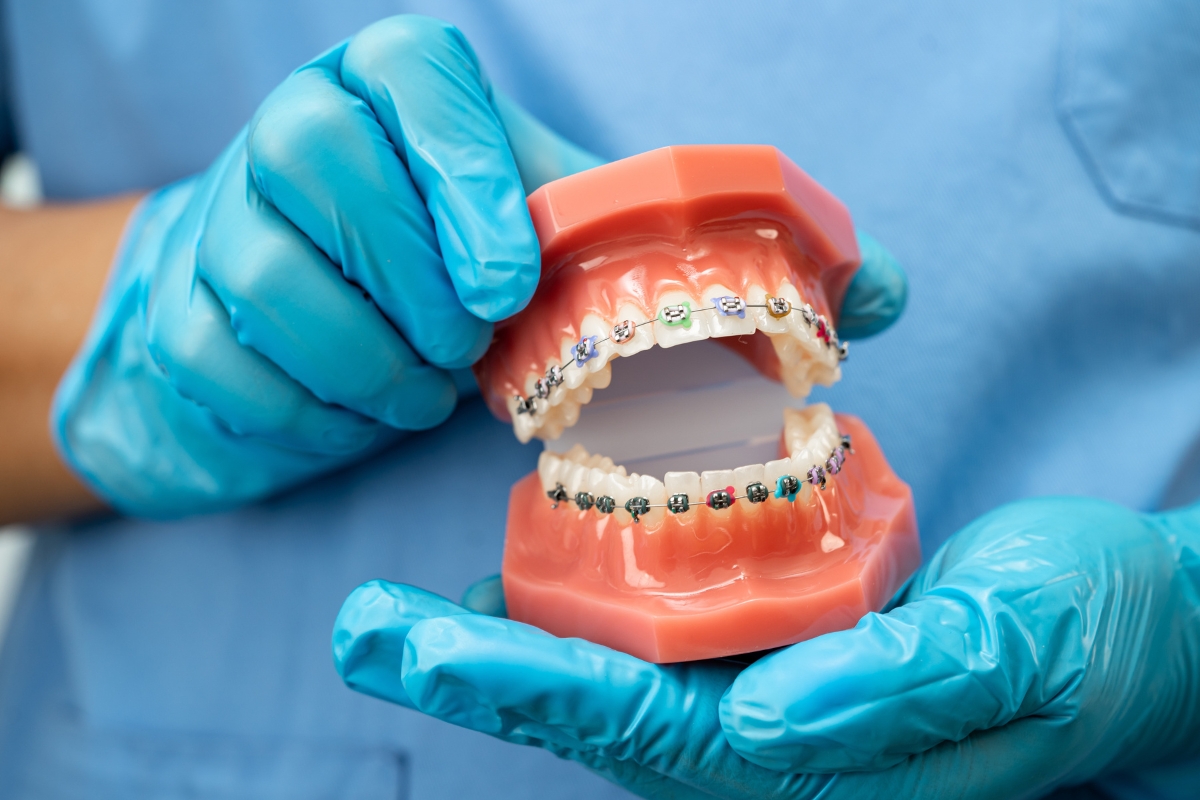
Crooked teeth. Almost everyone’s got some version of it, a slightly rotated tooth, a gap that bugs you, front teeth that overlap just enough to notice in photos. And a lot of people just live with it, figuring it’s permanent. It’s not.
Orthodontic treatment exists specifically to fix this, and honestly, it works better than most people expect. As a Queens Orthodontist, we get asked all the time, how does this actually happen? How do teeth that have been crooked for years suddenly shift into place? Let’s break it down.
Why Teeth Get Crooked in the First Place
Before getting into the fix, it helps to understand the cause. Crooked teeth happen for a bunch of reasons, genetics being a big one. If your parents had crowded or misaligned teeth, there’s a decent chance you inherited that same jaw structure. Other causes include early loss of baby teeth, thumb-sucking habits that lasted too long, mouth breathing, or simply not having enough room in the jaw for every tooth to line up properly.
Sometimes it’s a mix of a few of these. Either way, once teeth start growing in misaligned, they don’t correct themselves. That’s where seeing a Queens Orthodontist becomes worth it.
How Orthodontic Treatment Actually Moves Teeth
Here’s the part that surprises people, teeth aren’t fused solidly into your jawbone like a nail into wood. They’re held in place by a ligament that allows for slight, gradual movement. Orthodontic treatment takes advantage of that.
When braces or aligners apply consistent, gentle pressure to a tooth, the bone on one side starts breaking down slightly while new bone forms on the other side. Over time, this allows the tooth to physically shift position within the jaw. It’s not fast, this process takes months, sometimes years, depending on how much correction is needed. But it’s remarkably effective, and honestly, kind of fascinating once you understand the biology behind it.
Common Treatment Options a Queens Orthodontist Might Recommend
Not every case of crooked teeth needs the same fix. Depending on severity, age, and specific alignment issues, treatment usually falls into a few categories.
Traditional metal braces: Still one of the most reliable options for moderate to severe crowding or rotation. Brackets and wires apply continuous pressure, gradually guiding teeth into alignment.
Ceramic braces: Function the same way as metal braces but use tooth-colored brackets, making them less noticeable.
Clear aligners (Invisalign): A series of custom, removable trays that shift teeth gradually. Popular with adults and teens who want a subtler treatment option, though not ideal for every case.
Palatal expanders: Used mainly in younger patients to widen the upper jaw, creating more room for teeth to align naturally without needing extraction.
Retainers: Not a treatment for crooked teeth exactly, but essential afterward to keep teeth from drifting back to their original position.
A consultation with an orthodontist in Queens will usually determine which of these fits your specific bite and alignment issues best.
What Crooked Teeth Actually Affect, Beyond Looks
People tend to think of crooked teeth as purely cosmetic, but that’s not the full picture. Misaligned teeth can make brushing and flossing genuinely harder, since overlapping or crowded areas trap plaque more easily. That raises the risk of cavities and gum disease over time. Crooked teeth can also affect your bite, causing uneven wear on certain teeth, jaw discomfort, or even speech issues in more severe cases.
So while straighter teeth definitely look better, that’s honestly just one part of why treatment matters.
What to Expect During Treatment
Wondering what the actual process looks like once you commit to treatment? Here’s a rough timeline:
- Initial consultation: Includes X-rays, photos, and a full evaluation of your bite and alignment
- Treatment planning: A Queens orthodontist maps out exactly how your teeth need to move and selects the right method
- Active treatment phase: Braces or aligners go on, with adjustments or new trays every few weeks
- Progress checkups: Regular visits to monitor movement and make necessary adjustments
- Retention phase: Once treatment ends, a retainer keeps your new alignment stable
Most patients see noticeable changes within the first few months, though full treatment can range anywhere from several months to a couple of years, depending on complexity.
Is It Ever Too Late to Fix Crooked Teeth?
Short answer, no. This is one of the biggest misconceptions out there. People assume orthodontic treatment is only for kids and teens, but that’s simply not true anymore. Plenty of adults, well into their 30s, 40s, and beyond, pursue treatment for crooked teeth they’ve lived with their whole lives. Bone and tissue respond to orthodontic pressure at any age; it just may take slightly longer for adult jaws to complete the movement compared to a growing teenager’s.
So if you’ve been putting this off because you think you’ve “missed the window,” you really haven’t.
Frequently Asked Questions – FAQ
Q: How long does it take to fix crooked teeth with braces?
A: It depends on severity, but treatment typically ranges from 12 to 24 months. Minor cases may resolve faster, while more complex crowding can take longer.
Q: Can Invisalign fix crooked teeth as well as braces?
A: For mild to moderate cases, yes, generally. More severe rotation or crowding may still require traditional braces for the best results.
Q: Will fixing crooked teeth hurt?
A: There’s usually some mild soreness after adjustments, especially in the first few days of treatment or after a new set of aligners. It’s manageable and temporary, not sharp or lasting pain.
Q: Do I need to wear a retainer forever after treatment?
A: Long-term retainer wear, even if just at night, is typically recommended to prevent teeth from gradually shifting back. Your orthodontist in Queens will guide you on frequency based on your case.
Q: Is orthodontic treatment worth it for just mild crowding?
A: Many patients find it worthwhile, since even mild crowding can affect oral hygiene and bite function over time, not just appearance.
Ready to Straighten Things Out?
Crooked teeth don’t have to be something you just live with. Whether it’s mild crowding or something more noticeable, orthodontic treatment can genuinely change both how your smile looks and how well your bite functions. At Breezy Point Smiles, Dr. Ron Kaminer and Dr. Jonathan Lewis have helped patients throughout Breezy Point, Rockaway Point, Roxbury, and the surrounding Queens community achieve straighter, healthier smiles at every age. Book your consultation online and visit our clinic in 204-08 Rockaway Point Blvd, Breezy Point, NY 11697.
About the Author
Dr. Ron Kaminer has been providing outstanding oral healthcare for well over three decades. He earned his dental degree from the State University of New York at Buffalo School of Dental Medicine and regularly seeks continuing education to refine his skills. He offers a wide variety of high-quality services, including fillings, root canal therapy, teeth whitening, cosmetic bonding, and veneers. If you’d like to schedule an appointment, visit his website or call 718-474-6500.