
August 18, 2026
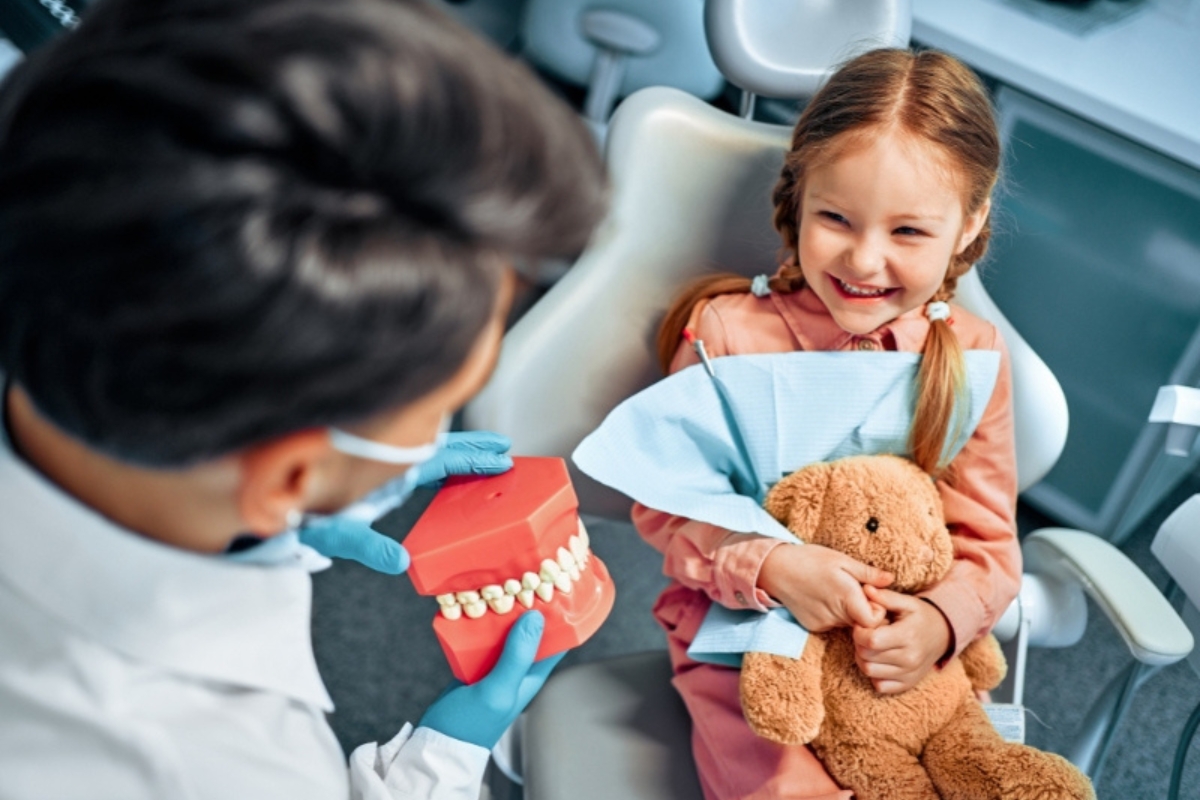
Cavities in a toddler’s mouth? It happens more than parents expect. And honestly, it catches a lot of them off guard. “How can a two-year-old already have a cavity?” is a question we hear all the time at Breezy Point Smiles.
Here’s the truth: baby teeth are just as vulnerable to decay as adult teeth, sometimes even more so. Their enamel is thinner, which means decay can move faster once it starts. As a Pediatric Dentist in Queens, we see this pattern again and again, small habits, repeated daily, that quietly set the stage for cavities before parents even notice something’s wrong. So let’s go through it. Here are 7 reasons toddlers end up with tooth decay, and what you can actually do about each one.
Why Baby Teeth Matter More Than People Think
Quick myth to bust first, “They’re just baby teeth, they’ll fall out anyway.” That thinking causes more damage than people realize. Baby teeth hold space for adult teeth, help with speech development, and support proper chewing and nutrition. Decay in baby teeth can also lead to infections that affect the permanent teeth growing underneath. So no, it’s not something to shrug off just because those teeth are temporary.
7 Reasons Toddlers Develop Tooth Decay
1. Bedtime Bottles With Milk or Juice
This is probably the single biggest cause to visit a pediatric dentist in Queens. When a toddler falls asleep with a bottle of milk, formula, or juice, that liquid pools around their teeth for hours. Saliva production drops during sleep, so nothing is washing the sugar away. The result? Decay that shows up specifically on the front teeth, often called “bottle rot.”
2. Too Much Sugary Juice or Snacks
Juice feels harmless, it’s fruit, right? But most juices are packed with natural sugars that feed the bacteria responsible for cavities. Combine that with sticky snacks like fruit gummies or crackers that cling to teeth, and you’ve got a recipe for constant sugar exposure throughout the day.
3. Skipping Teeth Brushing Or Doing It Inconsistently
Toddlers aren’t exactly enthusiastic about brushing, let’s be real. But skipping it, or only doing a halfhearted swipe once a day, leaves plaque and bacteria sitting on their teeth far longer than it should. Twice a day, actually thorough, makes a real difference here.
4. Sharing Utensils or Cleaning Pacifiers With Your Mouth
This one surprises a lot of parents. Cavity-causing bacteria can actually transfer from a parent’s mouth to a toddler’s, through shared spoons, cleaning a dropped pacifier by sucking on it, or even kissing near the mouth. It sounds small, but it’s a legitimate way decay-causing bacteria get introduced early.
5. Delaying the First Dental Visit
A lot of parents wait until a toddler turns three, four, or even later for their first dental visit. That’s later than it should be. The American Academy of Pediatric Dentistry recommends a first visit by age one, or within six months of the first tooth appearing. Waiting too long means early decay can go unnoticed until it’s already progressed.
6. Not Enough Fluoride Exposure
Fluoride strengthens enamel and helps protect against decay, but plenty of toddlers aren’t getting enough of it — whether that’s from toothpaste, drinking water, or dental treatments. Without it, their teeth simply have less natural defense against the acid produced by bacteria.
7. Constant Grazing Throughout the Day
Toddlers snack a lot, that’s just toddler life. But if they’re grazing on crackers, cereal, or juice boxes all day without breaks, their teeth are under near-constant acid attack. Saliva needs gaps between eating to neutralize acid and repair enamel, and constant grazing doesn’t give it that chance.
Signs of Early Tooth Decay in Toddlers
Wondering what to actually look for? A few early warning signs:
- White or chalky spots near the gumline
- Brown or black spots on the teeth
- Sensitivity when eating something cold or sweet
- Visible pitting or holes in the teeth
- Bad breath that doesn’t go away with brushing
Catching any of these early makes treatment far simpler. That’s exactly why a Queens based children dentist will emphasize regular checkups, even for very young kids.
What You Can Do to Prevent It
The good news? Most of these causes are pretty manageable once you know what to watch for.
- Avoid putting your toddler to bed with a bottle of anything other than water
- Limit juice and offer water instead whenever possible
- Brush twice a day with a fluoride toothpaste appropriate for their age
- Don’t share utensils or clean pacifiers in your own mouth
- Schedule that first dental visit by age one
- Ask your dentist about fluoride treatments if needed
- Space out snacks instead of all-day grazing
None of this requires a complete lifestyle overhaul. Small, consistent changes go a long way in protecting those little teeth.
Why Early Dental Visits Actually Matter
Bringing your toddler in early isn’t just about catching decay, it’s about building comfort with dental visits before fear or anxiety has a chance to develop. A child’s first dental visit should be a positive experience. That’s why a pediatric dentist in Queens will focus on helping your child feel comfortable before recommending any treatment. It also gives you, as a parent, a chance to ask questions about brushing, diet, and habits like thumb-sucking or pacifier use.
FAQ – Frequently Asked Questions
Q: At what age should my toddler have their first dental visit?
A: By age one, or within six months of their first tooth coming in, whichever comes first. Earlier visits help catch potential issues before they become bigger problems.
Q: Are cavities in baby teeth really a big deal if they’re going to fall out anyway?
A: Yes, they are. Untreated decay can cause pain, infection, and even affect the permanent teeth developing underneath. Baby teeth also play a big role in speech and proper chewing.
Q: How much juice is okay for a toddler to drink?
A: Most pediatric dentists recommend limiting juice significantly, or avoiding it altogether in favor of water and whole fruits. If you do offer juice, try to keep it to mealtimes rather than sipping throughout the day.
Q: Can I tell if my toddler has a cavity just by looking?
A: Sometimes, especially with white spots or visible brown or black areas. But early decay isn’t always obvious, which is why regular visits to a Pediatric Dentist in Queens matter, even without visible symptoms.
Q: Is fluoride toothpaste safe for toddlers?
A: Yes, when used in the right amount, typically just a rice-grain-sized smear for kids under three. Your dentist can guide you on the appropriate amount based on your child’s age.
Give Your Toddler’s Smile a Strong Start
Tooth decay in toddlers is common, but it’s also largely preventable once you know what’s actually causing it. A few small daily habits, paired with an early first dental visit, can make a real difference in your child’s long-term oral health.
At Breezy Point Smiles, Dr. Ron Kaminer and Dr. Jonathan Lewis welcome young patients from Breezy Point, Rockaway Point, Roxbury, and the surrounding Queens community, helping little smiles get off to the healthiest possible start. Schedule your toddler’s visit online with a pediatric dentist in Queens who genuinely enjoys working with kids.
About the Author
Dr. Ron Kaminer has been providing outstanding oral healthcare for well over three decades. He earned his dental degree from the State University of New York at Buffalo School of Dental Medicine and regularly seeks continuing education to refine his skills. He offers a wide variety of high-quality services, including fillings, root canal therapy, teeth whitening, cosmetic bonding, and veneers. If you’d like to schedule an appointment, visit his website or call 718-474-6500.