
August 7, 2026
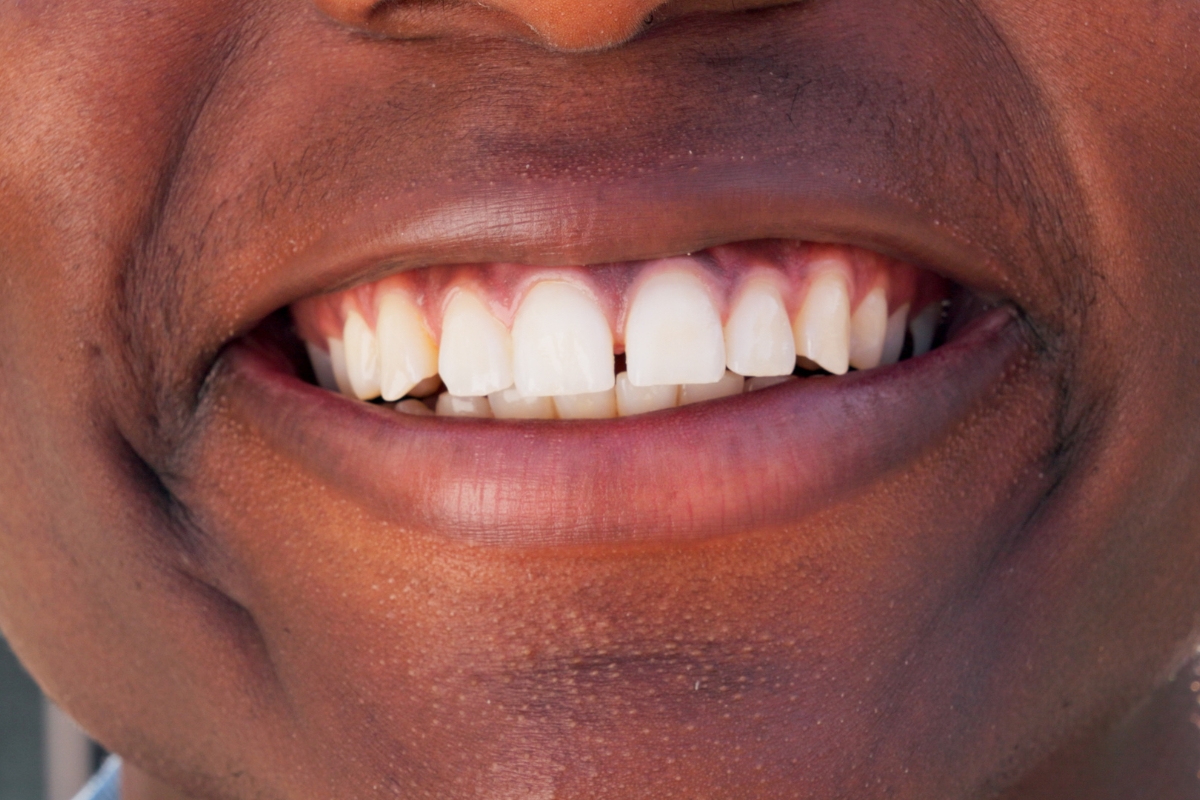
You’re eating something crunchy, a piece of ice, maybe popcorn with a stray kernel, and you feel it. That small, sharp edge where your tooth used to be smooth. It doesn’t hurt. It’s barely visible. So you shrug it off and move on with your day. Here’s the thing, though. That’s exactly the mindset a Queens cosmetic dentist wants you to rethink.
Small chips seem harmless. Cosmetic, at worst. But left alone, they rarely stay small. At Breezy Point Smiles, we’ve seen tiny chips turn into much bigger problems. Such as root canals, cracked teeth, even extractions, simply because nobody caught them early. Let’s talk about why that “it’s fine” chip deserves a second look.
A Chip Is Never Really “Just Cosmetic”
Sure, a chipped tooth might not throb with pain the day it happens. But your enamel, the hard outer layer protecting your tooth, isn’t just there for looks. It’s a barrier. Once that barrier is broken, even slightly, the tooth underneath becomes exposed to bacteria, temperature changes, and pressure it wasn’t built to handle on its own.
Think of it like a crack in a windshield. Small at first, right? But drive around long enough, hit a few bumps, and that little crack spreads across the whole glass. Teeth work in a surprisingly similar way. A Queens based cosmetic dentist will tell you this every time: what looks minor on the surface can be hiding weakness underneath. And that weakness doesn’t fix itself.
What Actually Happens When You Ignore It
Let’s break down what tends to happen when a small chip gets left untreated. Not to scare you — just to be honest about it.
- The chip gets bigger: Every time you bite down, chew, or grind your teeth at night (be honest, a lot of us do), that weakened spot takes more stress than the rest of the tooth.
- Sensitivity creeps in: Hot coffee starts to sting. Cold water becomes uncomfortable. That’s usually a sign the chip has exposed the dentin layer underneath your enamel.
- Bacteria finds a way in: Chips create tiny crevices where food particles and bacteria can hide, which raises your risk of decay right at that spot.
- The tooth becomes structurally weaker: Eventually, what started as a chip can turn into a full crack, and cracks are a whole different, much more expensive conversation.
- Pain shows up eventually: Maybe not today. Maybe not next month. But untreated chips have a habit of becoming painful right when you least expect it.
Sound like a lot from one tiny chip? It is. That’s kind of the point.
Why People Put Off Getting It Checked
Honestly, we get it. Life’s busy, dental visits aren’t anyone’s favorite errand, and if there’s no pain, there’s no urgency, or so it seems. A lot of patients at our practice tell us they didn’t think a chip was “worth” an appointment.
But here’s what a cosmetic dentist in Queens would say back: waiting doesn’t make the problem cheaper or simpler. It usually does the opposite. A quick, affordable fix today can turn into a root canal or crown a year down the line if you let it slide. And honestly? Isn’t it easier to just deal with it now, while it’s small?
How a Cosmetic Dentist Actually Fixes a Chip
Fixing a small chip is often faster and less invasive than people expect. Depending on the size, location, and how deep the chip goes, a Queens Cosmetic Dentist might recommend:
- Dental bonding: A tooth-colored resin is applied directly to the chip, shaped, and hardened with a special light. Quick, affordable, and usually done in a single visit.
- Dental veneers: Thin porcelain shells that cover the front of the tooth, ideal for chips on visible front teeth or when there’s more than one issue to address cosmetically.
- Dental crowns: Used for larger chips or when the structural integrity of the tooth is more compromised. A crown covers the entire tooth, protecting it from further damage.
- Enamel reshaping: For very minor chips, sometimes gently smoothing the edge is all that’s needed.
None of these treatments take long. Bonding, for example, can often be completed in under an hour. Compare that to the time, cost, and discomfort of a root canal down the road, it’s really not a close call.
It’s Not Just About How It Looks
People tend to associate cosmetic dentistry with appearance alone, whiter teeth, straighter smiles, that sort of thing. But cosmetic dentistry in Queens is just as much about function and long-term health as it is about aesthetics. Fixing a chip protects the tooth from further damage, prevents decay from settling in, and stops small issues from snowballing into bigger, more painful ones. So yes, it’ll make your smile look better. But that’s honestly the smaller benefit.
When Should You See a Dentist About a Chip?
Short answer: as soon as you notice it. You don’t need to wait for pain, swelling, or sensitivity to show up first.
A few signs it’s time to book that visit:
- You can feel a rough or sharp edge with your tongue
- The chip is visible when you smile or talk
- You’ve started noticing sensitivity to hot or cold
- The chip happened after an injury, fall, or biting something hard
- You just feel like something’s “off” about that tooth
Even if none of these apply and the chip seems totally harmless, it’s still worth having a Queens Cosmetic Dentist take a look. Better a five-minute check now than a bigger procedure later.
FAQ – Frequently Asked Questions
Q: Can a small chip heal on its own?
A: No. Unlike skin, tooth enamel doesn’t regenerate or repair itself. Once it’s chipped, it stays that way until it’s professionally treated, or until it gets worse.
Q: Does fixing a chipped tooth hurt?
A: Not usually. Treatments like bonding are typically painless and don’t require anesthesia unless the chip is close to a nerve. Most patients describe it as quick and easy.
Q: How much does it cost to fix a chipped tooth?
A: It really depends on the treatment needed. Bonding tends to be the most affordable option, while veneers and crowns cost more due to the material and lab work involved. A consultation with a cosmetic dentist in Queens can give you an accurate estimate.
Q: What if I ignore a chip for years? What’s the worst that can happen?
A: The tooth can crack further, decay can set in, and you may eventually need a root canal or even lose the tooth. It’s rare, but it happens more often than people think.
Q: Is dental bonding a permanent fix?
A: Bonding typically lasts several years with proper care, though it’s not quite as durable as veneers or crowns. Your dentist can advise on the best long-term option based on your specific chip.
Don’t Wait on That Chip: Let’s Take a Look
That small chip you’ve been ignoring? It’s not going to fix itself, and honestly, the longer you wait, the more it can cost you in time, money, and comfort.
At Breezy Point Smiles, Dr. Ron Kaminer and Dr. Jonathan Lewis have helped patients throughout Breezy Point, Rockaway Point, Roxbury, and the greater Queens area catch these small issues before they turn into bigger ones. Whether it’s bonding, a veneer, or just a quick evaluation to put your mind at ease, we’re here for it. Schedule your consultation online with a Queens Cosmetic Dentist who’ll give that chip the attention it actually deserves.
About the Author
Dr. Ron Kaminer has been providing outstanding oral healthcare for well over three decades. He earned his dental degree from the State University of New York at Buffalo School of Dental Medicine and regularly seeks continuing education to refine his skills. He offers a wide variety of high-quality services, including fillings, root canal therapy, teeth whitening, cosmetic bonding, and veneers. If you’d like to schedule an appointment, visit his website or call 718-474-6500.