
July 16, 2026
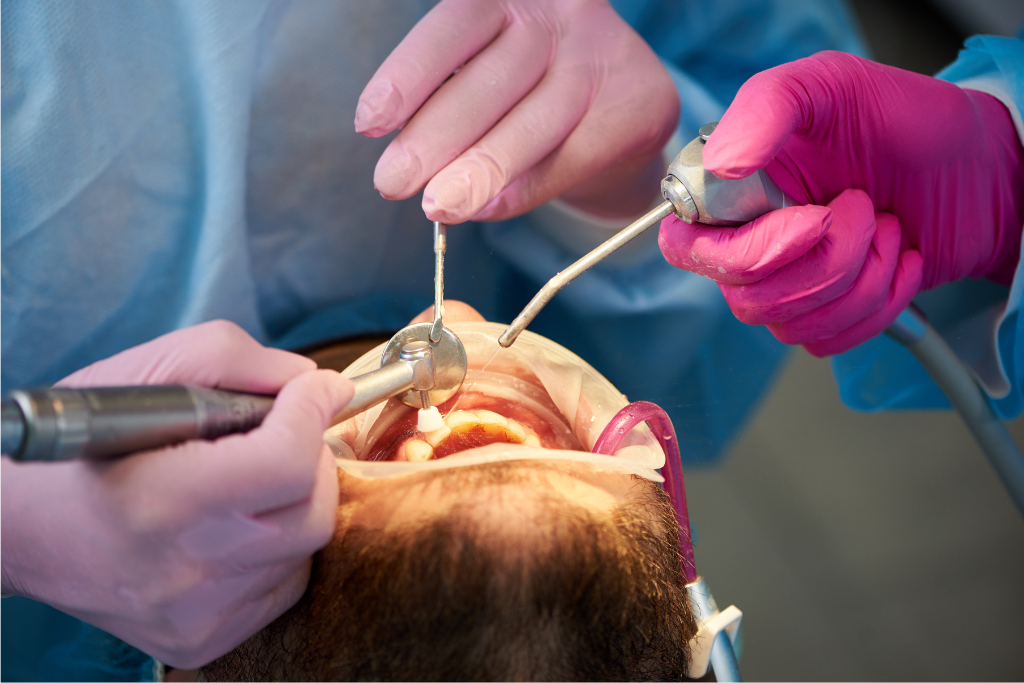
You feel a small twinge biting into your bagel on the way to the E train, and you brush it off as nothing. That twinge is often the first whisper of a cavity, and if it goes unchecked long enough, it can turn into something far more involved than a simple filling. Life in the city moves fast, and most of us put off dental visits until the discomfort gets too loud to ignore. If that sounds like you, you’re not alone and it’s exactly why so many people start searching for a dentist in Queens the moment a toothache finally shows up.
A cavity starts small. It begins as a soft spot in the enamel, the hard protective shell on the outside of your tooth. Left alone, decay does not stay contained. It works its way through the enamel, into the dentin underneath, and eventually toward the pulp, where the nerves and blood vessels live. This is exactly why professional dental services and an early checkup matter so much. Catch the decay while it’s still sitting in the enamel or dentin, and a filling usually solves the problem in one visit. Wait until it reaches the pulp, and a root canal often becomes the only way left to save the tooth.
How Decay Actually Spreads
Enamel has no nerve endings, so early decay rarely announces itself with pain. That’s part of the problem: a cavity can be growing quietly for months before you notice anything. Once decay reaches the dentin layer, you’ll usually start feeling sensitivity to hot coffee, cold drinks, or anything sweet. That summer bubble tea run in Flushing or an iced coffee before a shift shouldn’t come with a jolt of pain, and if it does, it’s time to visit a Dentist in Queens before the decay progresses into a more serious dental problem.
If decay keeps moving and reaches the pulp, bacteria can infect the nerve itself. That’s when a dull ache turns into throbbing pain, swelling, or even a visible bump on the gum. At that stage, a filling can’t fix it anymore, because the infection has to be cleaned out from inside the tooth which is what a root canal actually does.
Warning Signs Worth a Same-Week Appointment
- Sharp sensitivity to hot or cold that lingers after the drink or food is gone
- A visible dark spot, chip, or small hole in a tooth
- Pain when you bite down or chew on one side
- Swelling or a small bump along the gum line
If you notice any of these, it’s worth getting seen before a weekend trip to the boardwalk or a busy work week gets in the way.
Why So Many Local Families Choose a Queens Dentist They Trust
Queens is made up of so many close-knit pockets Rockaway, Breezy Point, Broad Channel, Howard Beach, Belle Harbor and word of mouth still carries a lot of weight here. Neighbors talk on the boardwalk, in the ferry line, and at the local diner, and dental care is no exception. Families in these communities tend to stick with a Queens dentist for years, sometimes generations, because trust and convenience matter just as much as the technical side of care. Salt air, humid summers, and a commute that often involves the A train or the ferry all add up to a population that appreciates a dental office that actually knows the neighborhood and works around real schedules.
When a Filling Isn’t Enough Anymore
A root canal has a scary reputation, but the procedure itself has changed a lot over the years. Modern anesthesia, better instruments, and more efficient techniques mean most patients describe it as no more uncomfortable than getting a filling. The goal is simple: remove the infected tissue inside the tooth, clean and seal the space, and place a crown so the tooth can keep doing its job for years to come. It’s almost always a better outcome than losing the tooth entirely.
Small Habits That Keep Cavities From Growing
Brushing twice a day and flossing once matters more than most people realize, but so does timing. Rinsing with water after something sugary, a Rockaway boardwalk ice cream, a slice from your favorite Astoria spot, or that afternoon bubble tea helps wash away the sugars before they sit on your teeth overnight. Routine cleanings every six months catch small spots of decay long before they turn into an emergency, which is far easier on both your schedule and your wallet.
Don’t Wait for a Small Problem to Become a Big One
A cavity rarely stays small on its own, and the earlier it’s treated, the simpler and more comfortable the fix. If it’s been a while since your last checkup, or that twinge from your morning coffee hasn’t gone away, now is a good time to get it looked at. At Breezy Point Smiles, our team is proud to be a trusted dentist in Queens, serving Rockaway, Breezy Point, Broad Channel, and neighboring communities with care that feels like home. Book your appointment today and let’s catch that small cavity before it becomes anything more.
About the Author
Dr. Ron Kaminer has been providing outstanding oral healthcare for well over three decades. He earned his dental degree from the State University of New York at Buffalo School of Dental Medicine and regularly seeks continuing education to refine his skills. He offers a wide variety of high-quality services, including fillings, root canal therapy, teeth whitening, cosmetic bonding, and veneers. If you’d like to schedule an appointment, visit his website or call 718-474-6500.