
June 17, 2026
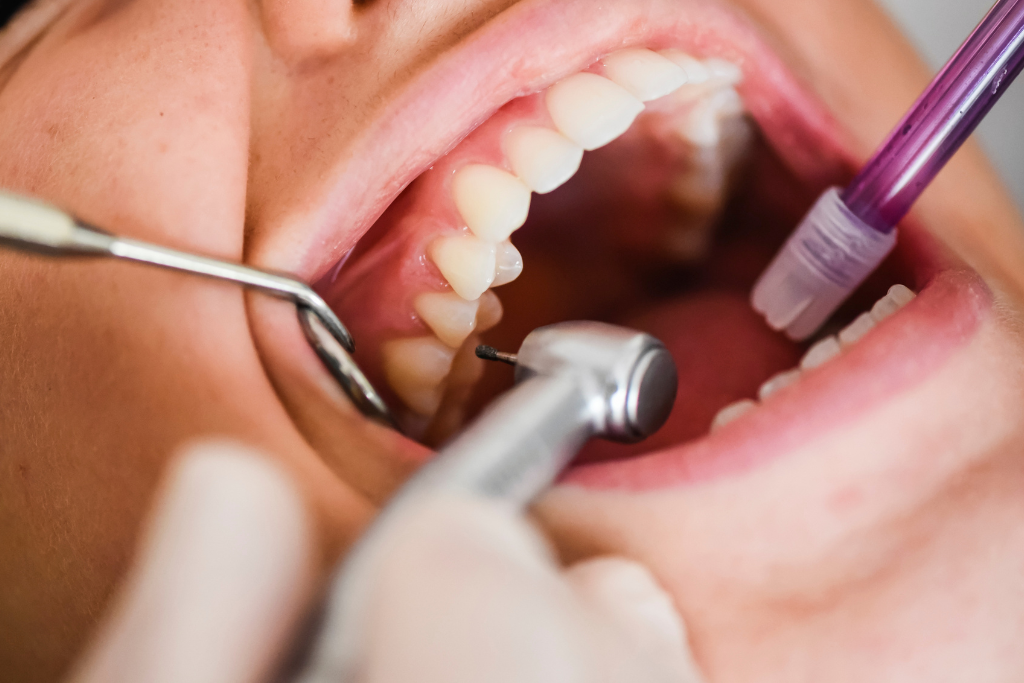
Most people have felt the nagging ache of a toothache at some point. You take a pain reliever, hope it goes away, and move on with your week. But here is the thing: a tooth infection does not just sit quietly inside your mouth waiting for you to deal with it. Left untreated, it can travel beyond the tooth, into the jawbone, neck, and in serious cases, the bloodstream. Understanding what is actually at stake can be the difference between a simple dental visit and a trip to the emergency room.
As trusted dental professionals right here in the community, we want to make sure you have the information you need to protect not just your smile, but your overall health.
What Is a Tooth Infection, Exactly?
A tooth infection, also called a dental abscess, happens when bacteria invade the inner pulp of a tooth, usually through a cavity, a crack, or gum disease. The body responds by sending white blood cells to fight the infection, which creates pus. That buildup of pus has nowhere to go, so pressure builds and the throbbing pain sets in. If you’re experiencing these symptoms, visiting a Dentist in Queens promptly can help prevent the infection from spreading and protect your long-term oral health.
There are two common types:
- Periapical abscess – forms at the tip of the tooth root
- Periodontal abscess – develops in the gum tissue beside the tooth
Both types need professional treatment. Over-the-counter painkillers can dull the discomfort temporarily, but they do nothing to eliminate the infection at its source.
How Does a Tooth Infection Spread?
This is where things get serious. The mouth is not isolated from the rest of the body. It is connected to the jaw, sinuses, neck, airway, and bloodstream. When bacteria find a path out of the tooth, they can follow any of these routes.
Here is how infection spreads step by step:
Into the jawbone (Osteomyelitis): Bacteria can penetrate the surrounding bone, weakening it and causing a condition called osteomyelitis. Treatment often requires antibiotics over a long period and sometimes surgical intervention.
Into the neck and airway (Ludwig’s Angina): One of the most dangerous complications of an untreated lower tooth abscess is Ludwig’s Angina, a rapidly spreading infection that travels under the tongue and into the floor of the mouth and neck. It can swell the airway shut within hours. This is a medical emergency.
Into the sinuses: Upper back teeth have roots that sit very close to the sinus cavities. An abscess in those teeth can break through and cause a sinus infection that is resistant to standard treatment until the dental source is addressed.
Into the bloodstream (Sepsis): Bacteria entering the bloodstream trigger a body-wide immune response called sepsis. This is life-threatening and requires immediate hospitalization. Sepsis from dental infections is rare but documented, and it is entirely preventable with timely dental care.
Warning Signs You Should Not Ignore
If you notice any of the following, do not wait to see a Dentist in Queens:
- Persistent, throbbing toothache that worsens when lying down
- Swelling in the face, cheek, or jaw that is getting larger
- Fever, chills, or a general feeling of being unwell
- Difficulty swallowing or opening your mouth
- A foul taste or sudden rush of salty fluid in your mouth (the abscess may have ruptured)
- Swollen lymph nodes under your jaw or in your neck
Swelling in the neck or difficulty breathing warrants an emergency room visit do not drive yourself.
What Happens During Treatment?
When you visit a Queens Dentist for a dental abscess, the approach depends on the severity and location of the infection.
For mild to moderate cases, treatment typically involves draining the abscess to relieve pressure, prescribing antibiotics to clear the bacterial infection, and performing a root canal to save the natural tooth or an extraction if the tooth cannot be preserved. A crown or filling may follow once the infection is fully resolved.
For more advanced cases where infection has already spread beyond the tooth, you may be referred to an oral surgeon or, in the case of systemic symptoms, directed to an emergency facility alongside your dental treatment.
The earlier you come in, the more options you have and the more likely you are to keep your tooth.
Why Queens Residents Should Take This Seriously
Queens is one of the most diverse and densely populated boroughs in New York City, home to neighborhoods like Astoria, Jackson Heights, Flushing, Forest Hills, Jamaica, and Bayside. Residents here are busy commuting, working long hours, and raising families. Dental appointments often get pushed to the bottom of the list.
But the reality is that dental emergencies do not respect a packed schedule. A dull ache one week can become a swollen jaw the next. Working with a Queens Dentist you already know and trust means you have someone to call when something feels wrong, not a stranger in an emergency clinic at midnight.
Routine checkups every six months are the single best way to catch problems before they escalate. Many abscesses are detected during regular exams, long before the patient feels significant pain.
Your Health Starts With Your Mouth
Your oral health is a window into your overall health. The bacteria that live in an infected tooth are the same bacteria that can, under the right conditions, cause serious systemic illness. This is not meant to cause alarm, it is meant to give you the full picture.
At Breezy Point Smiles, we have been helping the Queens community with compassionate, thorough dental care. Whether you are dealing with a toothache that has lingered too long, overdue for a checkup, or simply want to be seen by a Dentist in Queens who will take your concerns seriously we are here for you.
Do not wait until a small problem becomes a big one.
Book Your Appointment at Breezy Point Smiles Today
Frequently Asked Questions
Can a tooth infection go away on its own?
No. A dental abscess will not resolve without treatment. The pain may temporarily lessen if the abscess ruptures, but the underlying infection remains active and will continue to spread.
How quickly can a tooth infection become dangerous?
Timelines vary by person, but some infections can progress to dangerous stages within days to a week, especially in people with diabetes, compromised immune systems, or existing health conditions.
Is it safe to take antibiotics without seeing a dentist?
Antibiotics can slow an infection temporarily, but they do not drain the abscess or treat the source of the problem. Without removing the infected tissue or the tooth, the infection almost always returns.
What should I do if I have a toothache and swelling in my face?
Call your dentist immediately and describe your symptoms. Facial swelling from a tooth infection can escalate quickly. If you also have difficulty breathing or swallowing, go to the emergency room right away.
Can children get dangerous tooth infections?
Yes. Children with untreated cavities in baby teeth can develop abscesses just like adults. Because children may not always communicate pain clearly, routine dental checkups are critical for catching these issues early.
About the Author
Dr. Ron Kaminer has been providing outstanding oral healthcare for well over three decades. He earned his dental degree from the State University of New York at Buffalo School of Dental Medicine and regularly seeks continuing education to refine his skills. He offers a wide variety of high-quality services, including fillings, root canal therapy, teeth whitening, cosmetic bonding, and veneers. If you’d like to schedule an appointment, visit his website or call 718-474-6500.