
February 16, 2026
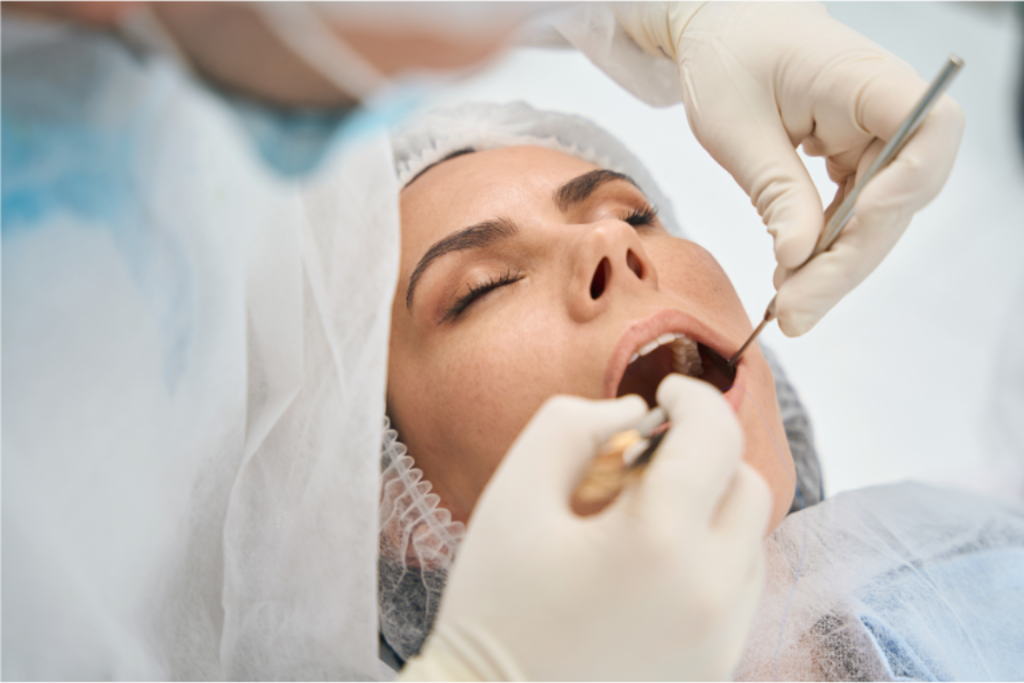
Most dental issues don’t appear overnight. They start quietly often with mild discomfort or subtle changes that are easy to ignore during busy workdays, school drop-offs, or long commutes. The challenge is that early dental problems rarely cause severe pain at first, which is why many people delay care until the issue becomes harder (and more expensive) to treat.
Being proactive about oral health can make a real difference. Understanding early warning signs and knowing when to act helps protect not just your smile, but your overall well-being.
Why Early Detection Matters More Than You Think
Teeth and gums are strong, but they still need care. Small issues like mild sensitivity or sore gums can slowly turn into cavities, infections, or gum disease when ignored. With busy family schedules, changing seasons, and everyday responsibilities, many people delay care instead of making time to visit the dentist but getting help early usually means easier and less stressful treatment.
Once you’ve noticed changes that last more than a few days, that’s usually your cue to check in with a Dentist in Queens NY who can evaluate the issue before it escalates.
Common Early Dental Problems You Shouldn’t Ignore
1. Tooth Sensitivity
If hot coffee or cold water suddenly causes discomfort, it may point to worn enamel, early decay, or gum recession. Sensitivity is often reversible when addressed early.
2. Bleeding Gums
Bleeding while brushing or flossing isn’t normal. It’s one of the first signs of gingivitis, which can progress into more serious gum disease if ignored.
3. Persistent Bad Breath
Occasional bad breath happens—but when it lingers despite good hygiene, it may signal plaque buildup, decay, or gum infection.
4. Mild Toothaches
A dull ache that comes and goes can indicate early decay or pressure from grinding. Waiting until the pain becomes severe often limits treatment options.
5. White or Dark Spots on Teeth
These visual changes are early signs of enamel damage or cavity formation. Catching them early can help avoid fillings or crowns later.
How to Prevent Dental Problems Before They Start
Prevention is always easier than repair. Small daily habits, combined with professional care, go a long way.
Smart Preventive Habits to Follow
- Brush twice daily with fluoride toothpaste
- Floss once a day to remove plaque between teeth
- Replace your toothbrush every 3–4 months
- Limit sugary snacks and acidic drinks
- Stay hydrated especially during colder months when dry mouth is common
Routine checkups with a dentist in Queens allow early issues to be spotted before symptoms worsen, especially for families managing busy schedules.
Local Factors That Can Affect Oral Health
Lifestyle plays a role in dental health. Stress, seasonal allergies, and even frequent snacking during long workdays can increase the risk of decay and gum issues. Cold weather can also lead to jaw tension and teeth grinding, which contributes to enamel wear.
For many families, having a trusted Dentist in Queens NY makes it easier to stay consistent with preventive care especially when appointments fit smoothly into everyday routines.
When Should You See a Dentist?
You don’t need to wait for severe pain. Book a visit if you notice:
- Sensitivity lasting more than a week
- Gum bleeding that doesn’t improve
- Ongoing bad breath
- A chipped, cracked, or darkening tooth
- Discomfort when chewing
Seeing a dentist in Queens early often means faster, more conservative treatment and better long-term outcomes.
Quick Prevention Checklist
✔ Brush and floss daily
✔ Don’t ignore early symptoms
✔ Schedule regular dental checkups
✔ Address stress-related habits like grinding
✔ Encourage children to speak up about discomfort
Take the First Step Toward a Healthier Smile
Your smile is easier to protect than you might think, especially when problems are caught early. If you’ve noticed changes in your teeth or gums, now is the right time to act.
At Breezy Point Smiles, we focus on preventive, patient-centered care designed to fit real life. Schedule your appointment today and take a confident step toward long-term oral health.
FAQs
Can Early Dental Problems Heal On Their Own?
Some minor issues, like early gum inflammation, may improve with better hygiene. However, decay and enamel damage won’t reverse without professional care.
Is Pain Always A Sign Of A Serious Dental Issue?
Not always but persistent or recurring pain is a sign that something needs attention.
How Often Should I Get Dental Checkups?
Most adults benefit from visits every six months, though some may need more frequent care based on their oral health.
What’s The Biggest Mistake People Make With Dental Problems?
Waiting too long. Early treatment is almost always simpler, faster, and more effective.
About the Author
Dr. Ron Kaminer has been providing outstanding oral healthcare for well over three decades. He earned his dental degree from the State University of New York at Buffalo School of Dental Medicine and regularly seeks continuing education to refine his skills. He offers a wide variety of high-quality services, including fillings, root canal therapy, teeth whitening, cosmetic bonding, and veneers. If you’d like to schedule an appointment, visit his website or call 718-474-6500.