
January 13, 2026
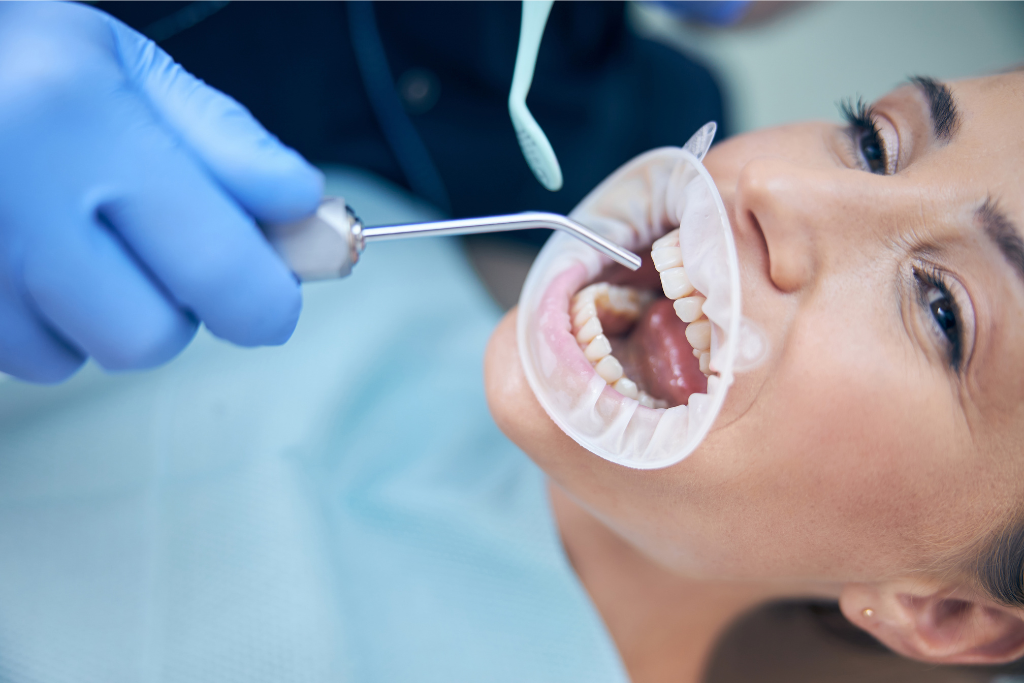
If you brush twice a day and floss most nights, it’s easy to assume you’re fully protected from cavities and tooth loss. But even the best at-home routine can miss areas where plaque quietly builds up. That’s where professional dental cleanings play a powerful preventive role—not just in keeping your smile bright, but in protecting your teeth long-term.
For many families across Queens, dental cleanings are often seen as “routine” or “optional.” In reality, they’re one of the most effective ways to stop small issues from turning into painful, costly dental problems.
Let’s break down how cleanings actually help prevent cavities and tooth loss, and why staying consistent matters especially in a busy city like ours.
Why Cavities and Tooth Loss Still Happen (Even With Brushing)
Cavities don’t appear overnight. They develop when plaque, a sticky film of bacteria, stays on teeth too long. Over time, this bacteria produces acids that weaken enamel. Once enamel breaks down, decay sets in.
Tooth loss often follows a similar slow path:
- Plaque hardens into tartar
- Gums become inflamed
- Gum disease progresses below the gumline
- Bone support weakens around the tooth
Daily brushing and flossing are essential, but they can’t remove hardened tartar or reach every tight space. That’s why professional care makes the difference.
After the first part of your visit, many patients choose ongoing care with a Dentist in Queens NY to help catch these issues early before they become emergencies.
How Dental Cleanings Act as a Preventive Shield
Professional dental cleanings are about much more than polishing teeth. They’re a proactive defense system for your oral health.
Here’s how they help prevent cavities and tooth loss:
- Remove hardened plaque (tartar): Once plaque turns into tartar, only professional tools can safely remove it.
- Protect enamel: Cleanings eliminate bacteria that weaken enamel and lead to cavities.
- Prevent gum disease: By cleaning along the gumline, cleanings reduce inflammation that can lead to tooth loss.
- Spot problems early: Dentists can identify early decay, gum recession, or weak spots before symptoms appear.
For residents juggling work, school, and long commutes, preventive visits with a trusted Queens Dentist help avoid unexpected dental pain that disrupts daily life.
Can Cleanings Really Stop Cavities?
Yes, especially when done consistently.
Regular cleanings reduce the amount of cavity-causing bacteria in your mouth. When combined with fluoride treatments and personalized advice, they significantly lower your risk of decay.
Cleanings help by:
- Removing plaque in hard-to-reach areas
- Smoothing tooth surfaces so bacteria can’t stick as easily
- Supporting stronger enamel through professional fluoride application
Many cavities that start between teeth or near the gumline can be prevented entirely with routine professional care.
The Connection Between Cleanings and Tooth Loss
Tooth loss rarely starts with the tooth itself—it often begins with the gums.
When plaque sits near the gumline, it causes inflammation (gingivitis). Left untreated, this can progress to periodontal disease, where bone supporting the teeth is gradually lost.
Dental cleanings help by:
- Reducing gum inflammation
- Removing bacteria below the gumline
- Slowing or stopping gum disease progression
For adults in Queens especially those with busy schedules or underlying health conditions—regular cleanings are one of the simplest ways to protect natural teeth for life.
How Often Should You Get a Dental Cleaning?
Most patients benefit from a cleaning every six months. However, some may need more frequent visits if they:
- Have gum disease
- Smoke or vape
- Have diabetes or heart conditions
- Are prone to cavities
Your Queens Dentist can recommend a schedule based on your specific needs and lifestyle.
Local Habits That Make Cleanings Even More Important
Living in Queens comes with unique lifestyle factors that impact oral health:
- On-the-go meals and coffee stops can increase plaque buildup
- Stress can contribute to teeth grinding and gum issues
- Seasonal allergies may lead to mouth breathing and dry mouth
Regular cleanings help counteract these everyday factors and keep your smile healthy year-round.
What Happens During a Professional Cleaning?
A typical cleaning includes:
- Plaque and tartar removal
- Polishing to smooth tooth surfaces
- Gum health evaluation
- Fluoride treatment when needed
The process is comfortable, efficient, and designed to protect your teeth—not just clean them.
Simple Ways to Support Your Cleanings at Home
To maximize the benefits between visits:
- Brush twice daily with fluoride toothpaste
- Floss at least once a day
- Limit sugary snacks and drinks
- Stay hydrated to reduce dry mouth
These habits, combined with professional care, form a strong defense against cavities and tooth loss.
Protect Your Smile Before Problems Start
Dental cleanings aren’t just about today they’re an investment in keeping your natural teeth for years to come. With consistent care, small preventive visits can help you avoid major treatments down the road.
If it’s been a while since your last cleaning, now is the perfect time to take the first step toward a healthier smile.
Schedule your appointment today with Breezy Point Smiles where preventive care, comfort, and personalized attention come together to keep Queens smiling confidently.
FAQs
Can Dental Cleanings Reverse Cavities?
No, but they can stop early-stage decay from worsening and prevent new cavities from forming.
Are Cleanings Helpful If I Already Have Fillings?
Yes. Cleanings protect surrounding teeth and help fillings last longer.
Do Cleanings Hurt If My Gums Bleed?
Mild bleeding is common when gums are inflamed. Regular cleanings usually reduce sensitivity over time.
Can Skipping Cleanings Really Lead To Tooth Loss?
Yes. Long-term plaque buildup can cause gum disease, the leading cause of adult tooth loss.
About the Author
Dr. Ron Kaminer has been providing outstanding oral healthcare for well over three decades. He earned his dental degree from the State University of New York at Buffalo School of Dental Medicine and regularly seeks continuing education to refine his skills. He offers a wide variety of high-quality services, including fillings, root canal therapy, teeth whitening, cosmetic bonding, and veneers. If you’d like to schedule an appointment, visit his website or call 718-474-6500.