
January 16, 2025
Have you ever wondered if dental implants could lead to gum disease? If you are considering doing dental implants in Queens or have already had them placed, it is natural to wonder about potential complications. While dental implants are an excellent solution for missing teeth, they come with their own set of responsibilities. If not properly cared for, they could lead to gum disease, a serious concern for oral health.
You must understand the relationship between dental implants and gum disease, as it is essential to maintain the health of both your implants and gums. If you are worried about the possibility of gum issues, consulting a dentist could offer immediate advice.
So, how do you protect yourself from gum disease after dental implant surgery?
This blog will answer all your questions and more, ensuring you stay on top of your oral health.
Common Factors Between Gum Disease And Dental Implants?
- Both require diligent oral hygiene for long-term health.
- Gum disease is more likely to occur after dental implants if oral hygiene is neglected.
- The stability of your dental implants may be affected by infected gum tissue.
- Gum disease can result in bone loss, which might impact implant support.
- Inflammation may result from dental implants trapping plaque and bacteria.
- Gum disease that is left untreated may result in problems or implant failure.
What Is A Gum Disease?
Another name for gum disease is periodontal disease, an infection of the tissues surrounding the teeth. It usually occurs due to plaque, a sticky, bacterial-filled layer that builds up on teeth and gums.
There are two main stages of gum disease:
- Gingivitis:
- The earliest stage of gum disease.
- Characterized by inflamed, red, and bleeding gums.
- It is usually reversible with improved oral hygiene.
- Any permanent effect of gingivitis does not occur on teeth or gums.
- Periodontitis:
- A more advanced stage of gum disease.
- It causes pockets to form around your teeth and your gums to recede.
- Not taking any action can loosen the hold of your teeth or tooth loss.
- Calls for more involved care, including surgery, scaling, or root cleaning.
If left untreated, gum disease can severely damage your oral health. This is why regular dental visits, professional cleanings, and proper brushing and flossing are essential to prevent gum disease from developing.
What are Dental Implants?
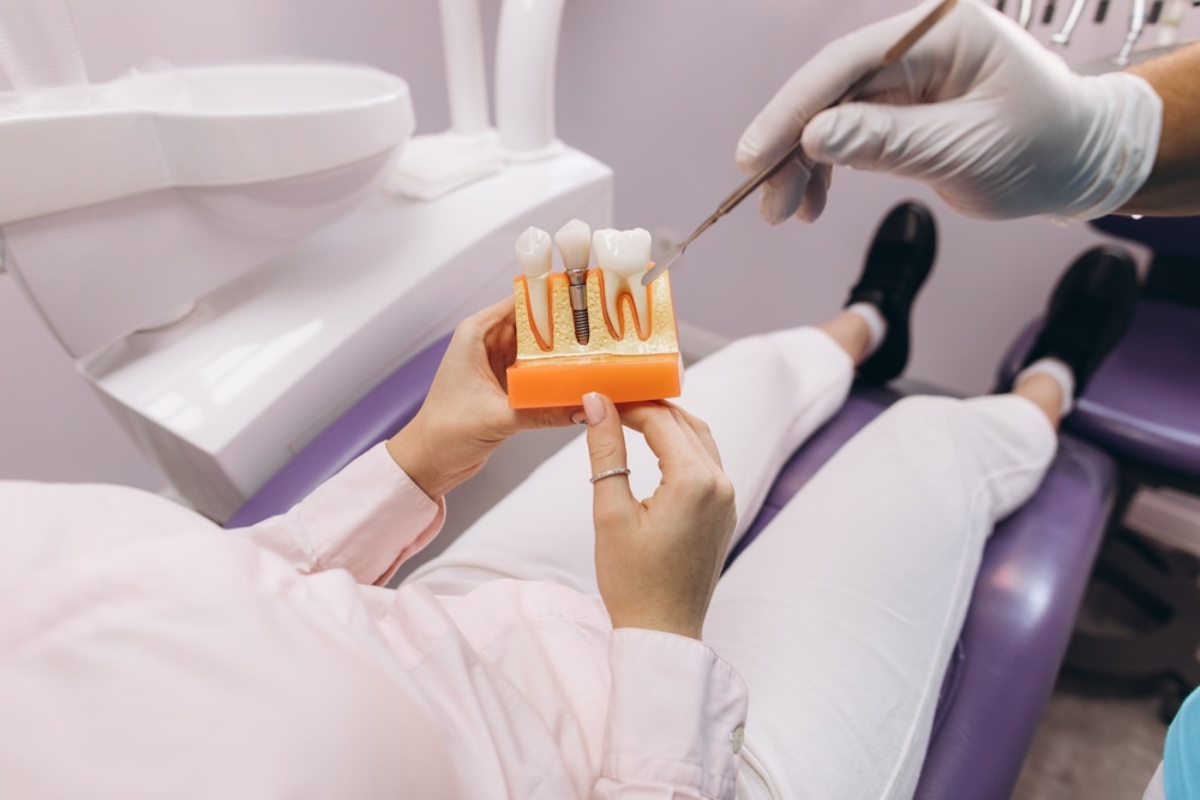
Dental implants are titanium posts that are surgically inserted into the lower jaw to replace damaged teeth. Unlike dentures, implants provide a permanent, sturdy solution for tooth loss, acting like natural teeth. They have a high success rate but require proper care for long-term health.
Dental implants are composed of two main parts:
- Implant post: A titanium screw inserted into the jawbone.
- Abutment: A component that connects the implant to the crown or artificial tooth.
Dental implants in Queens can restore your smile and bite, but their success heavily depends on the health of the surrounding gums and bone. To prevent complications, it is crucial to maintain excellent oral hygiene and attend regular dental check-ups with a dental expert if any issues arise.
Can Dental Implants Lead To Gum Disease?
Prompt care of dental implants can contribute to gum disease, even though the implants do not cause it.
- Bacterial Build-Up Around The Implant
If you neglect your oral hygiene, plaque can build up around your implant, just like with natural teeth. This plaque harbors bacteria, which can lead to inflammation and gum disease. An emergency dentist in Queens will suggest brushing and flossing around your implants, which are essential to prevent plaque from forming.
- Peri-Implantitis
One of the most common complications related to implants is peri-implantitis, a type of gum disease affecting the tissues around an implant. It is similar to periodontitis, but it specifically targets the implant area.
The primary cause of peri-implantitis is poor hygiene, which allows plaque and bacteria to accumulate around the implant, leading to infection, gum recession, and bone loss. Further, if left untreated, it may lead to implant failure.
- Gum Recession
When the gum tissue surrounding an implant thins or separates, the implant or the root surface becomes visible.
This could happen if you fail to clean around the implant, allowing bacteria to break down the gum tissue. Receding gums increase the risk of infection and can affect the implant’s long-term stability.
- Bone Loss
Your jawbone is the foundation of your dental implant, and it must remain healthy for the implant to stay in place. Gum disease, especially if left untreated, can lead to bone loss, which can compromise the support that the implant needs to stay secure in your mouth.
- Smoking And Other Risk Factors
Smoking, excessive alcohol consumption, and certain health conditions can increase the likelihood of gum disease developing around implants. It also hinders blood flow to the gums, which makes it challenging for your body to fight off infections.
Additional Considerations For Protecting Your Oral Health
After getting dental implants, here are a few things you can do to ensure your gums stay healthy:
- Good Oral Hygiene: Brush and floss regularly around your implant to prevent plaque build-up. Use a soft-bristled brush to avoid damaging the gum tissue.
- Regular Dental Check-Ups: Visit your dentist regularly to check the health of your implants and gums. They can help detect any early signs of gum disease.
- Professional Cleaning: Schedule professional cleanings to remove plaque and tartar you cannot reach with a toothbrush.
- Avoid Smoking: Smoking can delay healing and increase the risk of gum disease, so it is best to quit or avoid it entirely.
- Follow Post-Surgery Instructions: If you have just had implants placed by an emergency dentist in Queens, follow all care instructions provided by your dentist to avoid complications.
Dental implants in Queens are an excellent option for replacing missing teeth, but they require care and attention. As with natural teeth, neglecting your gums can lead to complications, including gum disease.
Thus, good oral hygiene habits can protect dental implants and maintain a healthy smile for years.
About the Author
Dr. Ron Kaminer has been providing outstanding oral healthcare for well over three decades. He earned his dental degree from the State University of New York at Buffalo School of Dental Medicine and regularly seeks continuing education to refine his skills. He offers a wide variety of high-quality services, including fillings, root canal therapy, teeth whitening, cosmetic bonding, and veneers. If you’d like to schedule an appointment, visit his website or call 718-474-6500.