
October 16, 2024
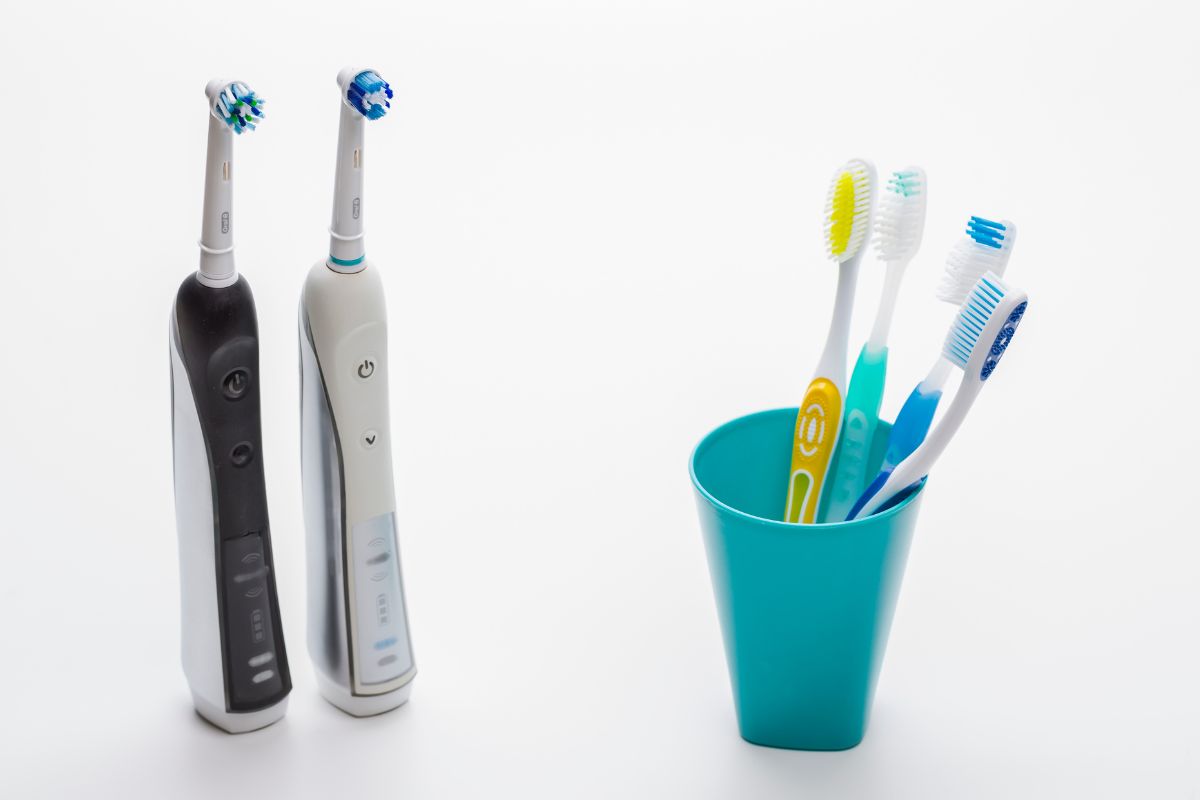
When it comes to keeping your smile bright and healthy, choosing the right toothbrush is key. With so many options available, it can be overwhelming to decide between an electric toothbrush or a manual one. Both have their pros and cons, but which is better for your dental health? In this article, we’ll compare electric and manual toothbrushes to help you make the best decision for your oral hygiene routine. If you’re wondering which is best for you, especially if you’re searching for guidance from a Dentist in Queens, we’ve got you covered.
What’s the Difference Between Electric and Manual Toothbrushes?
Before diving into which option might be better for your oral health, let’s define the difference between these two types of toothbrushes.
- Manual Toothbrush: A traditional toothbrush that relies on the user’s hand motion to clean the teeth.
- Electric Toothbrush: A battery-operated or rechargeable toothbrush that uses oscillating or vibrating bristles to clean the teeth automatically.
While the function of both is essentially the same—to remove plaque and maintain oral hygiene—each has unique features that can impact their effectiveness.
Electric Toothbrush: The Pros and Cons
Pros of Using an Electric Toothbrush
- More Effective at Plaque Removal
Studies have shown that electric toothbrushes are more effective at removing plaque and reducing gingivitis than manual ones. According to a study published in the Journal of Clinical Periodontology, people who use electric toothbrushes have healthier gums, less tooth decay, and keep their teeth for longer compared to those who use manual toothbrushes. - Better for People with Limited Mobility
For individuals with limited mobility, such as arthritis patients or the elderly, an electric toothbrush can be a game-changer. The automated brushing action eliminates the need for vigorous hand movements, making brushing more accessible and efficient. - Built-In Timers
Many electric toothbrushes come with built-in timers to ensure that you’re brushing for the recommended two minutes, helping to improve your brushing habits over time.
Cons of Using an Electric Toothbrush
- Cost
Electric toothbrushes are more expensive upfront compared to manual ones. Depending on the brand and features, they can cost anywhere from $30 to $200. Replacing the brush heads also adds to the long-term cost. - Portability
Electric toothbrushes are bulkier and less convenient for travel. Additionally, they require charging or battery replacements, which may not be ideal for some users.
Manual Toothbrush: The Pros and Cons
Pros of Using a Manual Toothbrush
- Affordability
Manual toothbrushes are very budget-friendly, costing only a few dollars per brush. They are widely available, making them a cost-effective option for everyone. - Easy to Travel With
Manual toothbrushes are light, portable, and require no power source, making them convenient for travel. - Variety
With a wide variety of sizes, shapes, and bristle strengths, manual toothbrushes offer customizable options to fit your specific oral health needs.
Cons of Using a Manual Toothbrush
- Less Effective Plaque Removal
A study from Cochrane Oral Health found that electric toothbrushes reduced plaque by 21% more after three months of use compared to manual brushes. This suggests that manual toothbrushes may not be as effective at cleaning your teeth. - No Built-In Timer
Since manual toothbrushes lack timers, many people tend to brush for less than the recommended two minutes, leading to less effective oral hygiene.
Which Is Better for Your Oral Health?
While both electric and manual toothbrushes can help maintain good oral hygiene, the American Dental Association (ADA) says the key to effective brushing is consistency and proper technique. Whether you choose a manual or electric toothbrush, brushing twice a day for two minutes, combined with regular flossing and dental checkups, is essential for keeping your teeth and gums healthy.
However, if you’re looking for efficiency and enhanced plaque removal, an electric toothbrush may be the better choice, especially if you have difficulty with hand movements or need extra motivation to brush for the full two minutes.
What Do Dentists Recommend?
If you’re unsure which toothbrush is right for you, it’s always a good idea to consult with a Dentist in Queens. Many dentists recommend electric toothbrushes for their superior ability to remove plaque and for being easier to use, particularly for individuals with braces or those who have difficulty brushing manually.
Additionally, dentists often stress that the best toothbrush is the one that fits your personal needs. For example, if you’re someone who frequently travels, a manual toothbrush might be the most convenient option. However, if you’re focused on improving your oral hygiene and need help brushing for the correct amount of time, an electric toothbrush with a timer might be the better investment.
The Bottom Line: Electric vs. Manual Toothbrush
Choosing between an electric and manual toothbrush comes down to personal preference, lifestyle, and dental health needs. Both types can be effective when used properly. However, electric toothbrushes have proven advantages, particularly in removing plaque and improving gum health. Still, using a manual toothbrush with the right technique and dedication can also lead to excellent oral health.
If you’re considering an upgrade to an electric toothbrush or simply want to ensure you’re brushing correctly, don’t hesitate to talk to a Dentist in Queens for personalized advice. Remember, no matter what type of toothbrush you use, regular dental checkups are essential for maintaining a healthy smile.
About the Author
Dr. Ron Kaminer has been providing outstanding oral healthcare for well over three decades. He earned his dental degree from the State University of New York at Buffalo School of Dental Medicine and regularly seeks continuing education to refine his skills. He offers a wide variety of high-quality services, including fillings, root canal therapy, teeth whitening, cosmetic bonding, and veneers. If you’d like to schedule an appointment, visit his website or call 718-474-6500.