
July 17, 2024
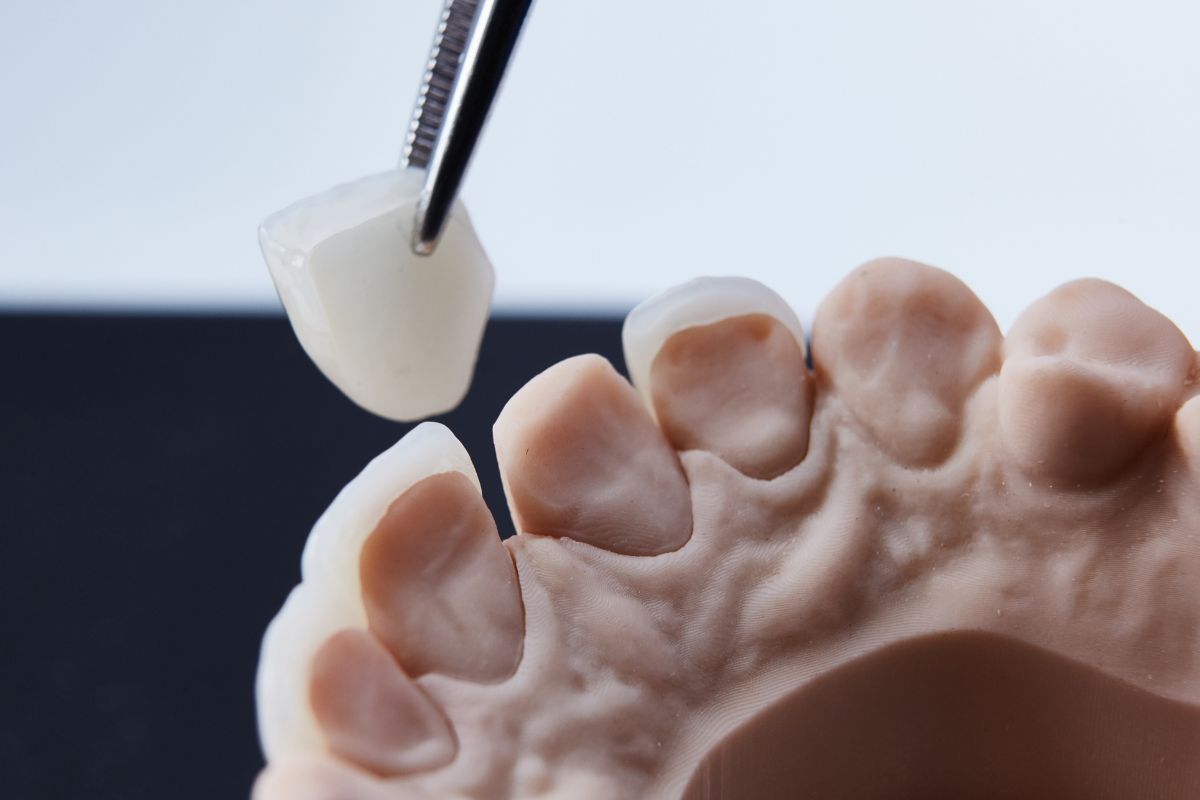
Dental crowns, also known as caps, are essential restorations that cover a damaged tooth or dental implant. They restore the tooth’s shape, size, strength, and appearance. In Queens, dental crowns are a popular solution for various dental issues, from severe decay to cosmetic improvements. This blog will explore the different types of dental crowns available and how a Queens Dentist can help you achieve a healthier, more beautiful smile.
What are Dental Crowns?
Dental crowns are fixed prosthetic devices that are cemented onto existing teeth or implants. Unlike removable devices like dentures, crowns are permanently fixed and can only be removed by a dentist. They serve several purposes, including protecting weak teeth, restoring broken teeth, covering dental implants, and improving the appearance of discolored or misshapen teeth.
Why You Might Need a Dental Crown
There are several reasons you might need a dental crown, including:
- To Protect a Weak Tooth: Teeth weakened by decay or fractures can benefit from the added protection of a crown.
- To Restore a Broken Tooth: Crowns can bring a fractured or severely worn tooth back to its normal shape and function.
- To Cover and Support a Tooth with a Large Filling: When there isn’t much tooth left, a crown can hold a large filling in place.
- To Hold a Dental Bridge in Place: Crowns can anchor a dental bridge.
- To Cover Misshapen or Discolored Teeth: For cosmetic purposes, crowns can improve the appearance of your smile.
Types of Dental Crowns
1. Porcelain-Fused-to-Metal (PFM) Crowns
PFM crowns combine the strength of metal with the aesthetic appeal of porcelain. They have a metal base covered with porcelain, which mimics the look of natural teeth.
Advantages:
- Durable: The metal base provides strength and durability.
- Aesthetic: The porcelain exterior closely resembles natural teeth.
Disadvantages:
- Possible Metal Visibility: Over time, the metal may show through the porcelain, especially near the gum line.
- Wear on Opposing Teeth: The porcelain can cause wear on opposing teeth.
2. All-Ceramic or All-Porcelain Crowns
All ceramic crowns are made entirely of ceramic or porcelain material. They are known for their superior aesthetic qualities and are often used for front teeth.
Advantages:
- Aesthetic: These crowns provide the best natural color match.
- Biocompatible: They are metal-free, making them a good option for those with metal allergies.
Disadvantages:
- Less Durable: While strong, they are more prone to chipping and cracking than metal or PFM crowns.
- Not Ideal for Back Teeth: They are best suited for front teeth where less force is exerted.
3. Metal Crowns
Metal crowns are made from alloys that contain a high content of gold, platinum, or base-metal alloys. They are known for their exceptional durability.
Advantages:
- Durable: They withstand biting and chewing forces well.
- Less Tooth Removal: Less tooth structure needs to be removed compared to other types of crowns.
Disadvantages:
- Aesthetic: The metallic color makes them less suitable for visible teeth.
4. Zirconia Crowns
Zirconia crowns are made from a strong ceramic material called zirconium dioxide. They offer a good balance between strength and aesthetics.
Advantages:
- Durable: Zirconia is one of the strongest materials used in dental crowns.
- Aesthetic: They can be made to look very similar to natural teeth.
Disadvantages:
- Possible Wear on Opposing Teeth: Like PFM crowns, zirconia can cause wear on opposing teeth.
5. Composite Resin Crowns
Composite resin crowns are made from a tooth-colored resin material. They are typically used as a temporary solution.
Advantages:
- Aesthetic: They blend well with natural teeth.
- Less Expensive: They are generally less costly than other types of crowns.
Disadvantages:
- Less Durable: They are more prone to fractures and wear than other types of crowns.
- Temporary Solution: They are often used temporarily until a more permanent crown is available.
The Procedure for Getting a Dental Crown
The process of getting a dental crown typically involves two visits to a Queens Dentist.
First Visit: Examination and Preparation
- Examination: The dentist examines and prepares the tooth that needs the crown. This may involve taking X-rays and removing any decay.
- Tooth Shaping: The tooth is reshaped to make room for the crown. If a large area of the tooth is missing, the dentist may build up the tooth to support the crown.
- Impression: An impression of the reshaped tooth and the surrounding teeth is taken to create a custom-fit crown.
- Temporary Crown: A temporary crown protects the tooth until the permanent crown is ready.
Second Visit: Crown Placement
- Removal of Temporary Crown: The temporary crown is removed, and the fit and color of the permanent crown are checked.
- Cementing the Crown: If everything is satisfactory, the permanent crown is cemented onto the tooth.
Caring for Your Dental Crown
Dental crowns can last 5 to 15 years, depending on the material and how well you care for them. Here are some tips for maintaining your crown:
- Practice Good Oral Hygiene: Brush twice daily and floss daily to keep the surrounding teeth and gums healthy.
- Avoid Hard Foods: Chewing ice or hard candies can damage your crown.
- Regular Dental Check-Ups: Regular visits to your Queens Dentist will help monitor the condition of your crown and overall oral health.
Conclusion
Dental crowns are a versatile and effective solution for restoring damaged teeth and improving your smile. Whether you need to protect a weak tooth, cover a dental implant, or enhance the appearance of your teeth, there is a crown option that suits your needs. By consulting a skilled Queens Dentist, you can explore the various types of dental crowns available and determine the best choice for your dental health. With proper care and regular dental visits, your dental crown can provide you with a durable and aesthetically pleasing solution for many years.
About the Author
Dr. Ron Kaminer has been providing outstanding oral healthcare for well over three decades. He earned his dental degree from the State University of New York at Buffalo School of Dental Medicine and regularly seeks continuing education to refine his skills. He offers a wide variety of high-quality services, including fillings, root canal therapy, teeth whitening, cosmetic bonding, and veneers. If you’d like to schedule an appointment, visit his website or call 718-474-6500.