
June 18, 2024
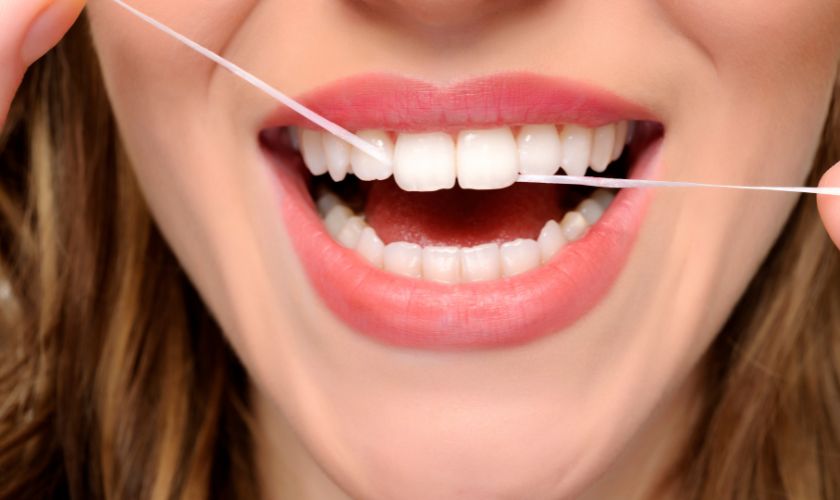
Maintaining optimal oral hygiene is crucial for a healthy smile, and one of the key components of this routine is dental flossing. While brushing your teeth is essential, flossing is equally important as it helps remove plaque and food particles from areas your toothbrush can’t reach. This article provides an in-depth look at dental floss, its benefits, types, and proper usage, highlighting why it’s a vital part of your dental care routine.
The Importance of Dental Flossing
Why Flossing Matters
Dental flossing is crucial for maintaining oral health. It removes plaque and food debris from between teeth and under the gumline, areas that are often missed by brushing alone. Plaque is a sticky film of bacteria that can lead to tooth decay and gum disease if not removed regularly.
Statistics on Oral Health
- According to the American Dental Association (ADA), only 16% of Americans floss daily, while 20% never floss.
- The Centers for Disease Control and Prevention (CDC) reports that nearly half of adults aged 30 and older show signs of gum disease, which can be prevented with proper flossing.
By incorporating flossing into your daily routine, you can significantly reduce the risk of dental issues and maintain a healthier mouth.
Types of Dental Floss
There are various types of dental floss available, each designed to cater to different needs and preferences. Understanding the different types can help you choose the best one for your oral care routine.
Waxed and Unwaxed Floss
- Waxed Floss: This type of floss is coated with a thin layer of wax, making it easier to slide between tight spaces. It’s ideal for individuals with closely spaced teeth.
- Unwaxed Floss: Made of nylon, unwaxed floss is thinner and can fit into narrower spaces. However, it may shred or break more easily compared to waxed floss.
Flavored Floss
Flavored floss, such as mint or cinnamon, can make the flossing experience more pleasant and encourage consistent use, especially among children.
Dental Tape
Dental tape is broader and flatter than regular floss. It’s beneficial for individuals with wider spaces between their teeth, providing a more comfortable cleaning experience.
Super Floss
Super floss is designed for cleaning around dental work like braces, bridges, and implants. It has three components: a stiff end for threading under appliances, spongy floss for cleaning around appliances, and regular floss for removing plaque under the gumline.
How to Floss Properly
Proper flossing technique is essential for effective plaque removal and maintaining oral health. Here’s a step-by-step guide to help you floss correctly:
- Cut a Length of Floss: Cut about 18 inches of floss and wind most of it around one of your middle fingers. Wind the remaining floss around the same finger of the opposite hand.
- Hold the Floss Correctly: Hold the floss tightly between your thumbs and forefingers.
- Slide the Floss Gently: Gently guide the floss between your teeth using a back-and-forth motion. Be careful not to snap the floss into your gums.
- Form a C-Shape: Curve the floss into a C-shape around each tooth and slide it up and down along the side of the tooth and under the gumline.
- Use a Clean Section: Use a clean section of floss for each tooth by unwinding it from one finger and winding it onto the other.
Benefits of Flossing
Flossing offers several benefits that contribute to overall oral health:
Prevents Gum Disease
Regular flossing helps remove plaque, which can lead to gingivitis, the early stage of gum disease. According to the ADA, flossing can significantly reduce the risk of gingivitis and periodontitis.
Reduces Bad Breath
By removing food particles and plaque, flossing helps prevent bad breath, also known as halitosis. Bacteria trapped between teeth can produce foul-smelling sulfur compounds, contributing to bad breath.
Protects Against Cavities
Flossing removes plaque and food particles from between teeth, reducing the risk of cavities forming in these areas. Cavities between teeth are common and can lead to more serious dental problems if left untreated.
Enhances Overall Health
Maintaining good oral hygiene through flossing can positively impact your overall health. Studies have shown a link between gum disease and systemic conditions such as heart disease, diabetes, and respiratory issues.
Flossing for Different Age Groups
Children
Teaching children to floss early helps instill good oral hygiene habits. Flossing can begin as soon as a child’s teeth start touching. Using fun, flavored floss and making the experience enjoyable can encourage consistency.
Adults
Adults should floss daily to prevent gum disease and cavities. It’s never too late to start flossing, and incorporating it into your routine can improve your oral health significantly.
Seniors
Flossing is essential for seniors to prevent gum disease and maintain dental health. Seniors may benefit from using floss holders or interdental brushes if they have difficulty handling regular floss.
Visiting Your Queens Dentist
Regular visits to your Queens Dentist are essential for maintaining optimal oral health. Your dentist can provide professional cleanings and check for any signs of dental issues that may require attention. They can also offer personalized advice on the best flossing techniques and products for your needs.
Conclusion
Dental flossing is a vital part of maintaining oral health. It helps remove plaque and food particles from areas that brushing alone can’t reach, preventing gum disease, cavities, and bad breath. With various types of floss available, it’s essential to choose the one that best suits your needs and use proper flossing techniques. Regular visits to your Queens Dentist will ensure you receive professional guidance and care, keeping your smile healthy and bright.
Incorporate flossing into your daily routine, and enjoy the long-term benefits of a cleaner, healthier mouth. For more information and personalized advice, schedule an appointment with your Queens Dentist today.
About the Author
Dr. Ron Kaminer has been providing outstanding oral healthcare for well over three decades. He earned his dental degree from the State University of New York at Buffalo School of Dental Medicine and regularly seeks continuing education to refine his skills. He offers a wide variety of high-quality services, including fillings, root canal therapy, teeth whitening, cosmetic bonding, and veneers. If you’d like to schedule an appointment, visit his website or call 718-474-6500.