
May 20, 2024
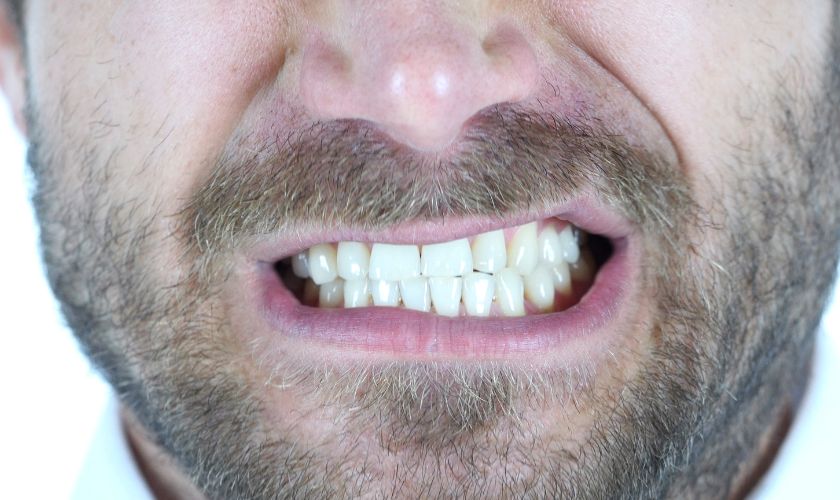
Teeth grinding, also known as bruxism, is a common condition that can affect people of all ages. It involves the involuntary clenching or grinding of teeth, often during sleep, and can lead to various dental issues if left untreated. Understanding the causes, recognizing the symptoms, and exploring the available solutions are crucial for managing this condition effectively.
Causes of Teeth Grinding
Several factors can contribute to teeth grinding, including:
1. Stress and Anxiety
Stress and anxiety are among the most common causes of teeth grinding. Individuals who experience high levels of stress may unconsciously clench or grind their teeth as a physical response to emotional tension.
2. Sleep Disorders
Conditions such as sleep apnea and snoring can be linked to bruxism. These sleep disorders may disrupt normal sleep patterns, leading to teeth grinding during the night.
3. Misaligned Teeth
Improper alignment of the teeth or an abnormal bite can cause bruxism. When teeth do not fit together correctly, it can lead to excessive wear and tear, resulting in grinding.
4. Medications
Certain medications, particularly those used to treat depression or anxiety, can have side effects that include teeth grinding. If you suspect your medication is contributing to bruxism, consult your healthcare provider.
5. Lifestyle Factors
Habits such as excessive caffeine or alcohol consumption, smoking, and recreational drug use can increase the risk of teeth grinding. These substances can affect the central nervous system and lead to bruxism.
Symptoms of Teeth Grinding
Identifying the symptoms of teeth grinding is essential for early intervention. Common symptoms include:
1. Worn Teeth
Grinding can cause significant wear on the teeth, leading to flattened, fractured, or chipped teeth. This can make the teeth more susceptible to decay and damage.
2. Jaw Pain
Persistent jaw pain or discomfort, especially upon waking, is a common symptom of bruxism. This pain can extend to the neck and shoulders in severe cases.
3. Headaches
Frequent headaches, particularly in the morning, can be a sign of teeth grinding. The tension from clenching the jaw muscles can trigger headaches.
4. Tooth Sensitivity
Bruxism can lead to increased tooth sensitivity due to the enamel wearing down. This can cause discomfort when consuming hot, cold, or sweet foods and beverages.
5. Ear Pain
Some individuals with bruxism experience ear pain or a feeling of fullness in the ears. This is due to the close proximity of the jaw joint to the ear canal.
Solutions for Teeth Grinding
There are several effective solutions for managing and treating teeth grinding:
1. Stress Management
Since stress is a major trigger for bruxism, finding ways to manage stress can significantly reduce teeth grinding. Techniques such as meditation, yoga, and regular exercise can help alleviate stress.
2. Dental Guards
Custom-made dental guards, also known as night guards or mouth guards, can protect the teeth from grinding damage. These devices are worn during sleep and help cushion the teeth.
3. Correcting Dental Alignment
If misaligned teeth are causing bruxism, orthodontic treatments such as braces or Invisalign can help correct the alignment. This can reduce the occurrence of teeth grinding.
4. Medication
In some cases, medication may be prescribed to manage bruxism. Muscle relaxants, for example, can help reduce jaw muscle tension. However, medication should be considered a last resort and used under the guidance of a healthcare provider.
5. Behavioral Therapy
Cognitive-behavioral therapy (CBT) can be effective in addressing the underlying psychological factors contributing to bruxism. This type of therapy helps individuals develop healthier coping mechanisms for stress and anxiety.
6. Lifestyle Changes
Making lifestyle changes, such as reducing caffeine and alcohol intake, quitting smoking, and avoiding recreational drugs, can help decrease the likelihood of teeth grinding.
Conclusion
Teeth grinding is a common condition that can have serious dental consequences if not addressed. By understanding the causes, recognizing the symptoms, and exploring the available solutions, individuals can effectively manage bruxism and protect their oral health. If you suspect you have bruxism, consult with a dental professional to develop a personalized treatment plan and prevent further damage to your teeth and jaw.
About the Author
Dr. Ron Kaminer has been providing outstanding oral healthcare for well over three decades. He earned his dental degree from the State University of New York at Buffalo School of Dental Medicine and regularly seeks continuing education to refine his skills. He offers a wide variety of high-quality services, including fillings, root canal therapy, teeth whitening, cosmetic bonding, and veneers. If you’d like to schedule an appointment, visit his website or call 718-474-6500.